

أخبار ذات صلة
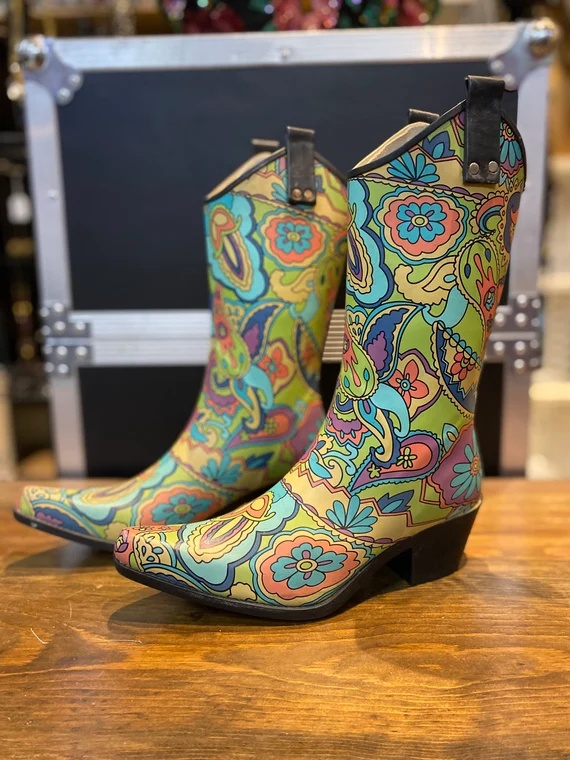
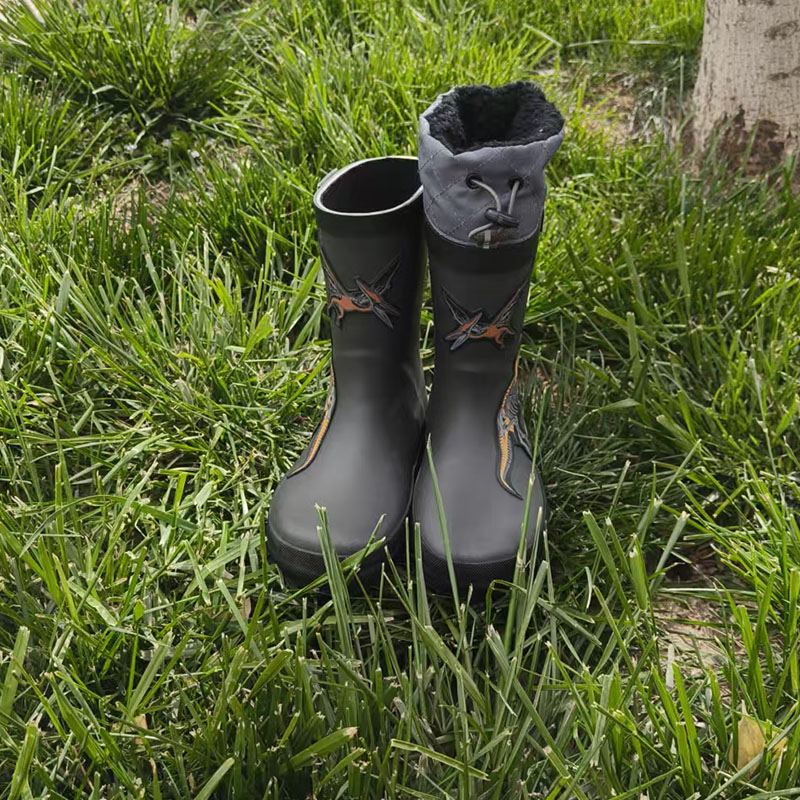
الفرق بين أحذية المطاط الطبيعي و PVC Wellington
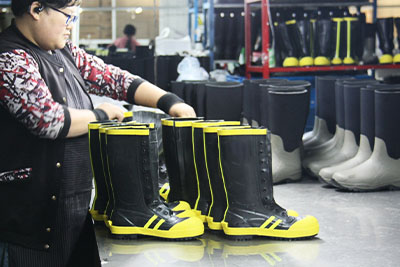
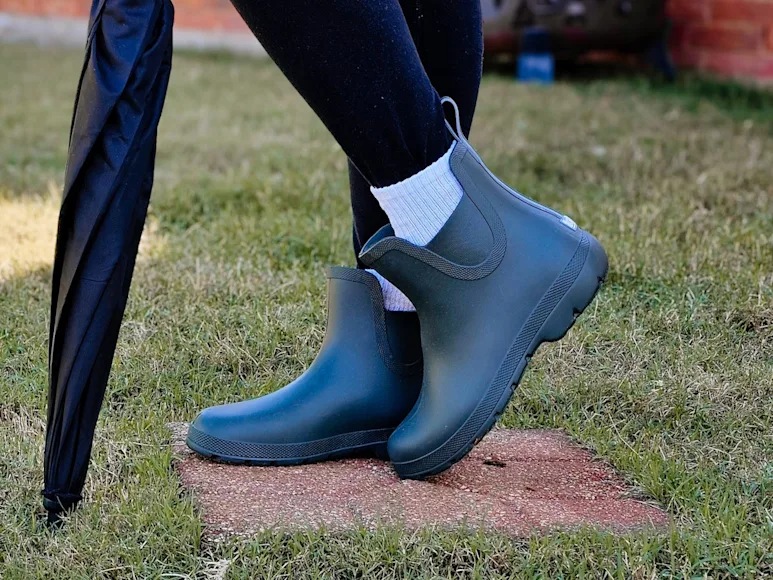
أحذية ولينغتونتعمل أحذية الوقاية الرئيسية ، والتي غالبا ما تسمى Wellies ، في الأماكن الرطبة والتطينية والصعبة مثل المزارع ومواقع البناء ووظائف تنظيم المناظر الطبيعية والمصانع. المواد الرئيسية - المطاط الطبيعي وكلوريد البوليفينيل (PVC) - تؤثر بشكل كبير على مدى استمرارها ، والانحناء ، والشعور بالراحة ، والتأثير على البيئة ، وإعطاء قيمة جيدة بشكل عام. ترينبو يعمل كمصنع ومورد مخصص مع إنتاج المصنع الخاص به. انها تركز على أعلى جودة المطاط الطبيعي ، PVC ، EVA ، أحذية ويلنغتون النيوبرين المصفوفة بنيت للتعامل مع الاحتياجات المهنية الصعبة والكبيرة.
ما هي أحذية ويلينغتون مصنوعة من؟
معظم أحذية ويلنغتون تأتي من المطاط الطبيعي أو PVC. وتشمل بعض الطبقات الداخلية الخاصة أو الخيارات الصناعية الخفيفة الأخرى. المطاط الطبيعي يأتي من عصير اللاتكس من شجرة Hevea brasiliensis. تنمو هذه الشجرة في مناطق دافئة مثل جنوب شرق آسيا وأمريكا الجنوبية ، ويمكن للناس الحصاد مرارا وتكرارا. PVC ، من ناحية أخرى ، هو بلاستيك مصنوع من صنع الإنسان تم إنشاؤه من المواد القائمة على النفط من خلال الخطوات الكيميائية.
تختلف هذه المواد اختلافا كبيرا في المكان الذي تأتي منه ، وكيفية صنعها ، وما هي الميزات التي تجلبها. وهذا يجعل فرقا كبيرا عند اختيار الأحذية للعمل الذي يحتاج إلى عزل ماء صلب واستخدام طويل.
يتم استغلال المطاط الطبيعي من الأشجار ، وتحويله إلى أوراق صلبة ، ثم يتم بركانيته - خطوة تسخين مع الكبريت التي تبني القوة والامتداد. تبدأ PVC مع مونومر كلوريد الفينيل الحصول على ربط مع بعضها البعض ، ثم خلط مع الإضافات للانحناء والاستقرار.
معرفة هذه الاختلافات تساعد الناس على اختيار الأحذية المناسبة للشراء بالجملة في إعدادات العمل الصعبة.
أحذية المطاط الطبيعي ولينغتون
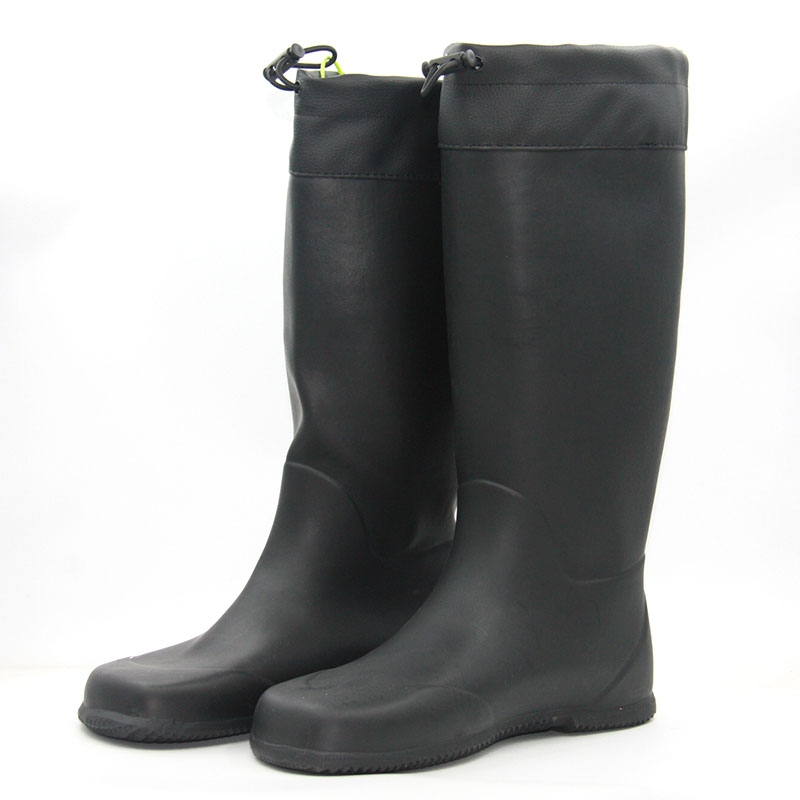
يبقى المطاط الطبيعي الاختيار الكلاسيكي لحذاء ويلنغتون الأفضل بسبب فوائده المدمجة القوية.
عملية الإنتاج
العمال يجمعون اللاتكس الطبيعي من أشجار المطاط. إنهم يجعلونها في الأوراق من خلال التخثر. ثم يحدث البركانية باستخدام الطريقة التي أنشأها تشارلز غوديير. هذا يحولها إلى أشياء صعبة ومتمددة. بعد ذلك ، تذهب المادة إلى الصب أو صب يدوي دقيق لتشكيل الأحذية. هذا العمل الدقيق يحافظ على الهيكل الصلب.
الخصائص والمزايا الرئيسية
-
مرونة ممتازة ومتد - المطاط الطبيعي ينحني ويشكل نفسه مع مرور الوقت. يقلل من البقع المؤلمة ويساعد على الحركة خلال ساعات طويلة.
-
قوة دائمة أفضل - يقف بشكل جيد ضد الشقوق والتمزقات والارتداء حتى بعد الكثير من الانحناء في الأماكن الخشنة.
-
الحفاظ على درجة حرارة كبيرة - تحمل الطقس البارد أو الساخن جدا بفضل خصائصه الحرارية الطبيعية.
-
قادر على الانهيار وتقليل الضرر - يأتي من الأشجار التي تنمو مرة أخرى. إنها تتحلل بسهولة من الأشياء المصنوعة من صنع الإنسان وتستخدم مواد كيميائية سيئة أقل عند صنعها.
-
حماية جيدة ضد الصدأ والمواد الكيميائية الخفيفة - يتعامل مع الأحماض الخفيفة والزيوت والأضرار في الهواء الطلق بشكل جيد.
التفاوضات
-
وزن أكثر - المادة تشعر ثقيلة من الخيارات المزيفة. ويمكن أن يؤدي هذا إلى إثارة الساقين أكثر خلال فترات الوقوف الطويلة.
-
سعر أعلى في البداية - جمع اللاتكس والعمل اليدوي يجعله يكلف أكثر مقدما. لكن حياة أطول وأقل مبادلات تعوض عن ذلك.
-
يحتاج إلى بعض العناية - تنظيفه ومعالجته بشكل صحيح يساعده على استمراره لفترة أطول في المصنع أو الميدان.
المطاط الطبيعي أفضل في الوظائف التي تحتاج إلى موثوقية ثابتة ، مثل الزراعة ، وأعمال الأشجار ، ومهام البناء الخارجية.
PVC ويلينغتون الأحذية
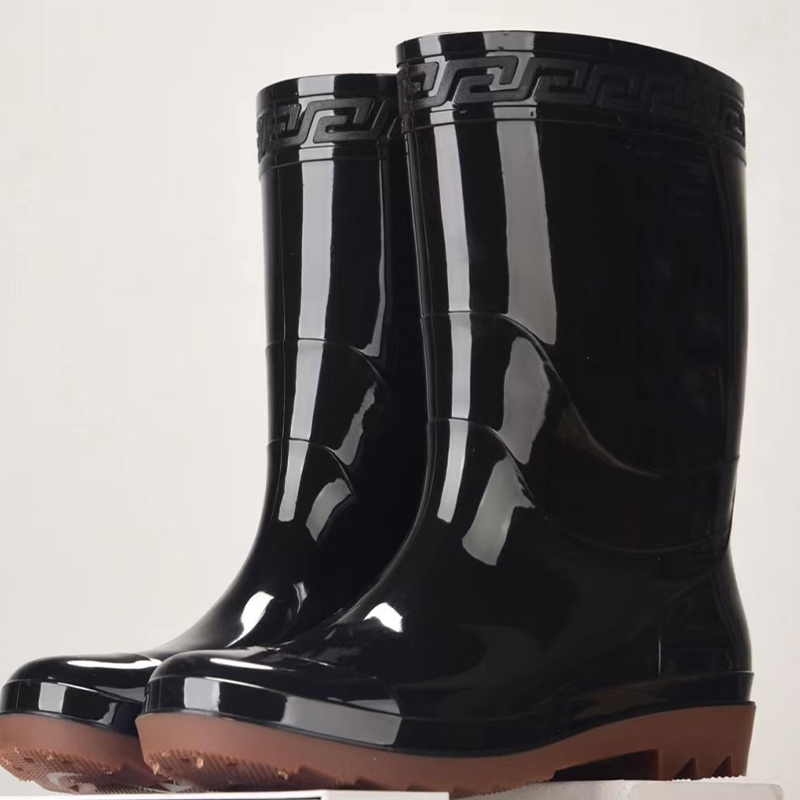
يعمل PVC كخيار صناعي شائع ، خاصة عندما يكون المال مهمًا للغاية للطلبات الكبيرة.
عملية الإنتاج
بتات PVC تذوب وتحصل على دفع في قوالب التمهيد بسرعة. تسمح طريقة الحقن السريعة هذه بالكثير من الأحذية مع القليل من العمل اليدوي.
الخصائص والمزايا الرئيسية
-
بناء خفيف - الأحذية تزن أقل بكثير. هذا يساعد خلال نوبات اليوم الكامل في مناطق التخزين ، أو عمل الأسماك ، أو وظائف المصانع السهلة.
-
تكلفة منخفضة - أشياء أرخص وسرعة جعل بدلة شراء كبيرة أو استخدام لمرة واحدة.
-
حماية قوية ضد المواد الكيميائية - يحارب الزيوت والأحماض والمذيبات والمنظفات بشكل جيد. هذا يناسب مصانع الأغذية والتعامل مع المواد الكيميائية ومناطق التنظيف.
-
سهلة التنظيف - تتوقف البقع الناعمة في الخارج وتمسح بسرعة. هذا مهم في الأماكن النظيفة أو القذرة.
التفاوضات
-
انحناء أقل - يمكن أن يؤذي الشعور الصلب القدمين ، أو يسبب البثور ، أو يعطي تناسبًا سيئًا بعد ارتداء طويلًا لأنه يفشل في تشكيل القدم.
-
قوة دائمة أضعف - تصبح هشة ، وتشقق بسهولة (خاصة في البرد أو الشمس) ، وتفقد شكلها. وهذا يعني استبدالات أكثر تواترا.
-
مخاوف البيئة - مصنوعة من النفط ، لا تتحلل وتطلق المزيد من التلوث عند الإنتاج. لا تزال إعادة التدوير محدودة.
-
حساسة لدرجة الحرارة - تصلب بشكل سيء في البرد العميق. هذا يمكن أن يجعلها مخاطرة على أرض زلقة.
PVC تناسب أفضل حيث الأسعار المنخفضة والدرع الكيميائي مهمة أكثر من الراحة طوال اليوم.
اعتبارات مادية إضافية: البطانات والبدائل
بالإضافة إلى المطاط الطبيعي الأساسي و PVC ، تلبي الطبقات الداخلية الخاصة والمواد الأخرى احتياجات وظيفية معينة.
أحذية ويلينغتون النيوبرين
النيوبرين ، وهو مطاط صناعي يستخدم في بدلات الغوص ومعدات الغوص ، غالبا ما يخطط داخل أحذية المطاط الطبيعي. يزيد من الدفء والراحة كثيرا.
-
درع حراري متفوق - طبقات النيوبرين السميكة (عادة ما تكون 3-5 مم أو سميكة) تعطي دفء قويًا إلى -20 درجة مئوية أو أقل. هذا يناسب العمل الزراعي الشتوي ، وقطع الأشجار ، أو مواقع البناء الباردة.
-
الراحة واللياقة الأفضل - تشكل قريبة من القدم لدعم مريح. هذا يقلل من الانزلاق والتعب. الكثير منهم لديهم الأقمشة التي تسحب العرق بعيدا.
-
طبقة مقاومة للماء الإضافية - تعمل مثل الجوارب الداخلي الكامل. هذا يضيف حماية إذا حصل الجزء الخارجي على ضرر صغير أو من الرطوبة الداخلية.
-
قوي في الإعدادات القاسية - يحافظ على الانحناء والدفء حتى بعد التعرض الطويل للرطوبة والباردة.
التفاوضات يمكن أن تصبح دافئة جدا في الطقس الحار. يجب أن يتناسب الحجم بشكل صحيح لتجنب تدفق الدم بشكل كبير أو ضيق.
أحذية المطاط الطبيعي المغطاة بالنيوبرين تجعل ترقية ذكية للعمال في الأماكن الباردة والرطبة المستمرة.
EVA (إيثيلين-فينيل أسيتات) أحذية ويلينغتون
إيفا هو خفيفة، على غرار الرغوة الاصطناعية غالبا ما تستخدم في أحذية ويلنغتون سهلة الوظيفة أو فقط للفول.
-
البناء الخفيف جداً - في كثير من الأحيان 50-60٪ أخف من أحذية المطاط الطبيعي أو PVC المماثلة. هذا يقلل من تعب الساقين في التحولات الخفيفة.
-
تعبئة كبيرة وصدمة تأخذ - يعطي شعور ناعم وربيعي تحت القدم مع ارتداد جيد. هذا يساعد على الراحة طوال اليوم.
-
قطعة واحدة مقاومة للماء - مصبوبة بالكامل بدون انضمامات بالتأكيد لا تسرب.
-
يبقى منحنيًا في البرد - يبقى ناعمًا في درجات حرارة منخفضة أفضل من بعض أنواع PVC. تجنب الشعور الصعب في الشتاء.
التفاوضات أضعف ضد الثقوب والدموع والخدش الثقيل من المطاط الطبيعي أو PVC الصلب. إنها تناسب العمل المتوسط بدلا من العمل القاسي أو المتطرف.
خيارات إيفا تعمل بشكل جيد عندما يأتي الوزن المنخفض والراحة العالية في المقام الأول على أعلى صلابة. فكر في وظائف المزرعة الخفيفة، أو عمل الأسماك، أو المهام الموسمية الخارجية.
يعتمد اختيار البطانة الصحيحة أو المواد الأخرى على الطقس ومدى صعوبة العمل ومدى درجات الحرارة والاحتياجات الرئيسية.
تحليل مقارن: المطاط الطبيعي مقابل PVC
| الجانب | المطاط الطبيعي | PVC |
|---|---|---|
| استدامة | عالية (تقف في مواجهة الشقوق والدموع) | معتدل (يصبح هشا بسهولة) |
| المرونة/الراحة | ممتاز (الأشكال إلى القدم) | محدود (صلب، قد يضر) |
| الوزن | ثقيل | خفيفة الوزن |
| التكلفة | أعلى في البداية، أقل مع مرور الوقت | أقل في البداية، استبدالات أعلى |
| التأثير البيئي | المتجدد، ينهار | على أساس النفط، لا ينكسر |
| المقاومة الكيميائية | جيد (للأشياء الخفيفة) | متفوقة (الأحماض والزيوت والمذيبات) |
| نطاق درجة الحرارة | واسعة (حتى الباردة جداً) | أضيق (يتصلب في البرد) |
يظهر هذا المنظر جنبا إلى جنب فوز المطاط الطبيعي في العمر الطويل والراحة لإعدادات العمل الصعبة.
تطبيقات وإرشادات الاختيار
أحذية ويلنغتون المطاطية الطبيعية تلمع في الزراعة والبناء والعمل في الهواء الطلق الذي يحتاج إلى ارتداء كامل اليوم والحفاظ على الطقس القوي. أنواع PVC تناسب الحقول الكيميائية الثقيلة ، أو الاستخدام القصير ، أو شراء الميزانية الضيقة بالجملة.
انظر إلى مدة التعرض، والمواد الكيميائية المحيطة، والبرد أو الحرارة المتطرفة، وكم يتم استبدال الأحذية. لتحسين الأداء البارد ، أحذية المطاط الطبيعي المغطاة بالنيوبرين تجلب مكاسب كبيرة. للاحتياجات خفيفة الوزن، يعطي إيفا خيار قوي.
أسئلة متكررة
ما هو الفرق الرئيسي بين المطاط الطبيعي و PVC في أحذية ويلنغتون؟
المطاط الطبيعي يجلب انحناء أفضل وعمر طويل ومزايا خضراء من مصدر شجرة. PVC يعطي خفيفة الوزن والحرس الكيميائي القوي بتكلفة أقل.
ما هي المواد التي تستمر لفترة أطول في الاستخدام الثقيل؟
المطاط الطبيعي عادة ما يتجاوز PVC. يقاوم الشقوق والارتداء والأضرار الخارجية بشكل أفضل.
هل المطاط الطبيعي صديق للبيئة؟
أجل إنها تنهار وتأتي من الأشجار التي تتجدد. كما أنه يستخدم أشياء ضارة أقل عند صنعها من PVC القائم على الزيت.
متى يجب تفضيل أحذية ويلنغتون PVC؟
استخدمها عندما تظهر مواد كيميائية قوية أو زيوت أو أحماض. أو عندما يكون الوزن الخفيف وتكلفة البدء المنخفضة مهمة أكثر.
ما هي الفوائد التي توفرها الأحذية المغطاة بالنيوبرين؟
طبقات النيوبرين تعطي أعلى الدفء في البرد ، وتتناسب بشكل أفضل مع القوالب إلى القدم ، ومساعدة إضافية مقاومة للماء كدرع داخلي.
كيف يقارن إيفا مع المطاط الطبيعي أو PVC؟
EVA يبرز عن الوزن المنخفض جدا ورشاشة ناعمة. لكنه يعطي أقل صلابة وحماية ثقب. إنها تناسب الوظائف المهنية الخفيفة بشكل أفضل.
الشريك مع Trenboo لأحذية ويلنغتون المطاط الطبيعي الممتازة والبفيك، إيفا، أحذية ويلنغتون النيوبرين
كمصنع رائد ومورد ومزود مباشر للمصنع ، تقدم Trenboo أحذية ويلنغتون من المطاط الطبيعي عالية الجودة مصممة خصيصا للسائبة أودم OEM متطلبات. مع الخبرة في إنتاج المطاط الطبيعي البركاني - بما في ذلك الخيارات المتقدمة المغطاة بالنيوبرين - تضمن Trenboo المتانة المتفوقة والمرونة والعزل والأداء للتطبيقات الصناعية والزراعية والمهنية. اتصل Trenboo اليوم لمناقشة المواصفات المخصصة، وتسعير الحجم، وحلول التوريد المباشر في المصنع للأحذية المضادة للماء الموثوقة التي تتحمل ظروف صعبة.

 استشارة
 واتساب
 اترك رسالة
 أعلى
أعلى