



Notícias relacionadas
Are Chelsea Boots the Ultimate Must-Have for Gardeners?
Botas de Chelsea give gardeners a nice yet useful footwear option. Gardeners often step into muddy spots. They need boots that mix ease with protection. Many people like the slip-on style of Chelsea boots. It saves time in busy gardening work. Click here for our video info.
What Makes Chelsea Boots Popular Among Gardeners
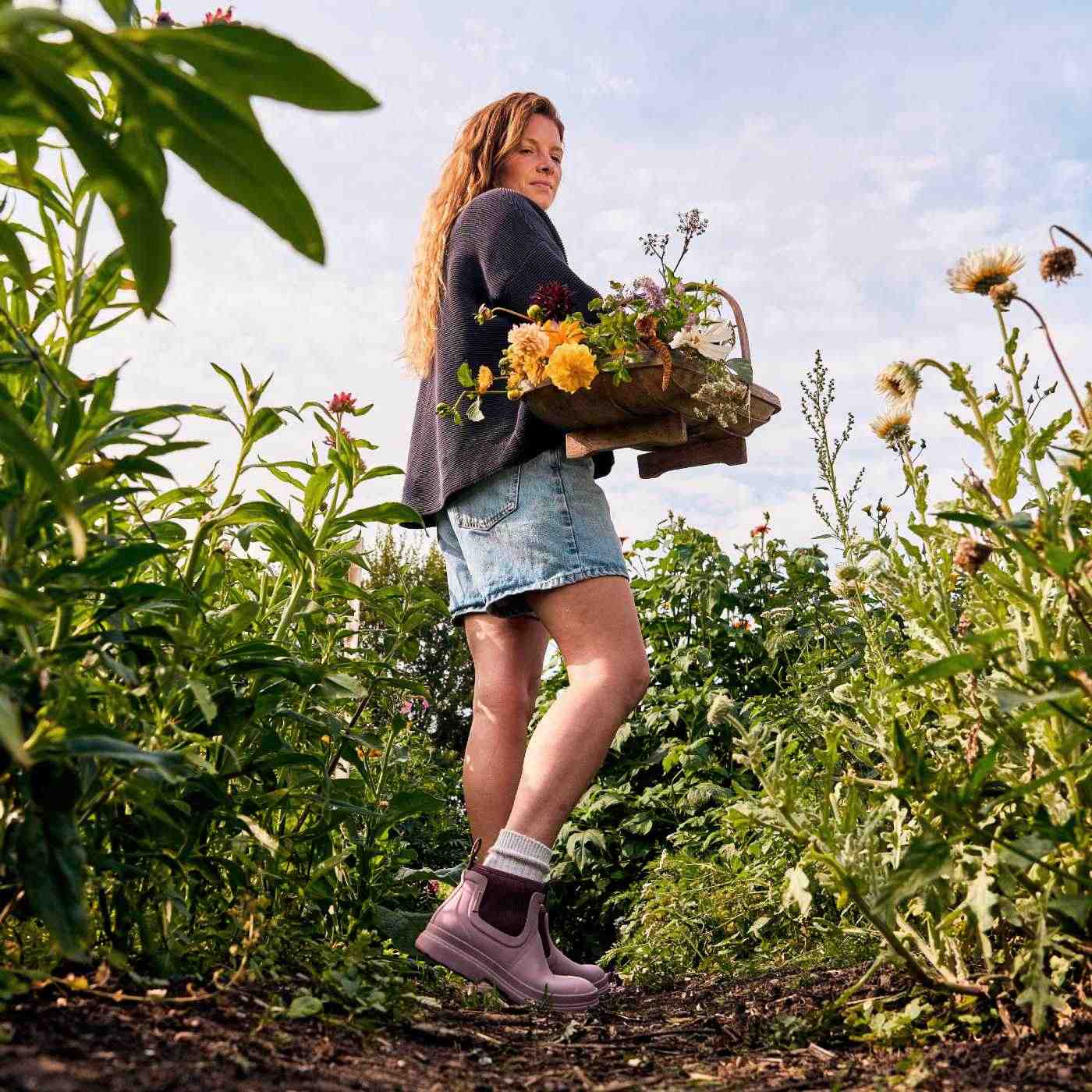
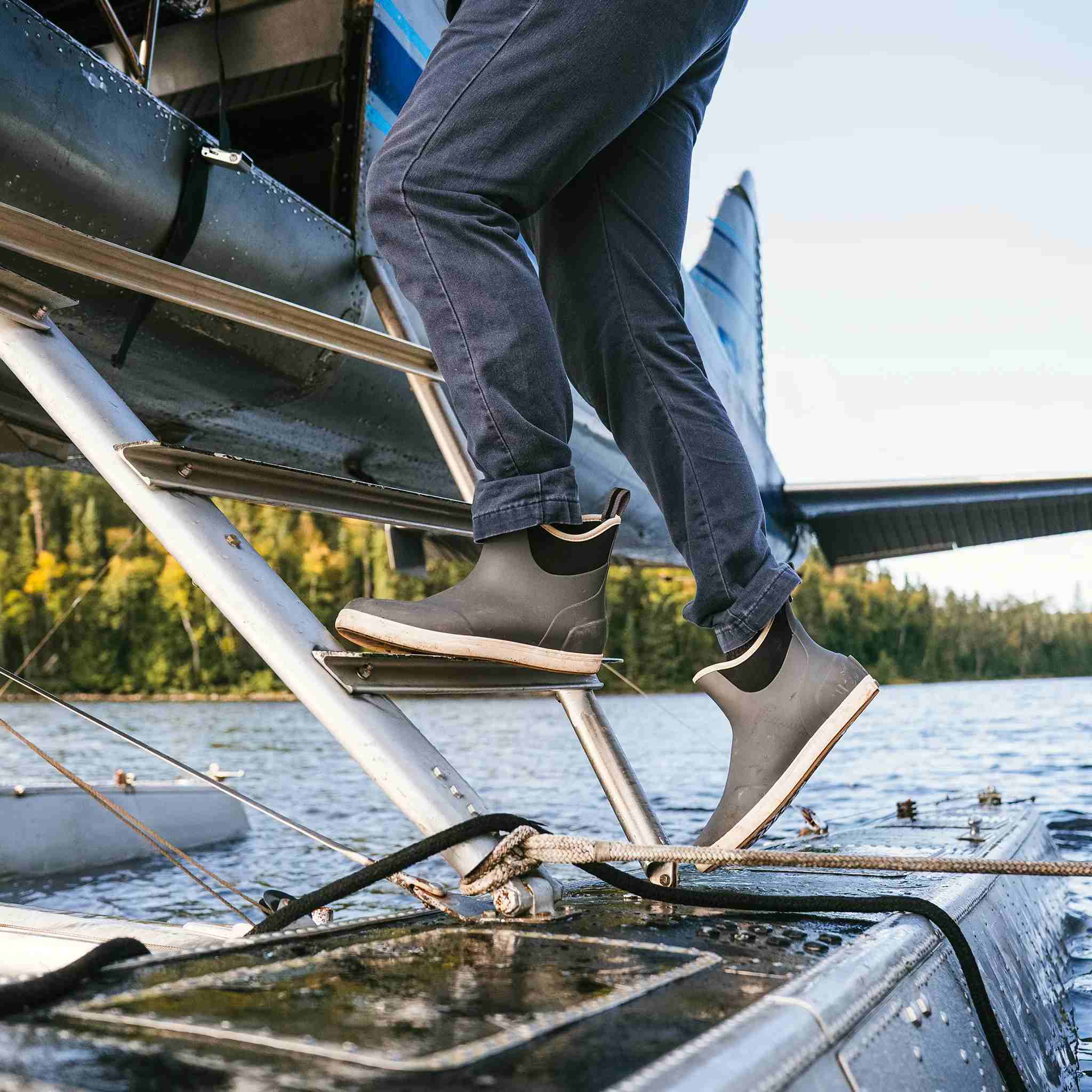
Gardeners like footwear that joins function with daily use. Rubber Chelsea boots have elastic side panels and a pull-on design. This lets users get in and out fast. The feature solves a usual problem for people who do quick tasks like weeding, watering, or moving between garden beds and indoor areas.
The ankle-high cut gives good support. It keeps the boots light compared to taller choices. Gardeners often say this height creates a fine balance for light to moderate work. It does not feel too tight. Also, many rubber Chelsea boots have strong soles with good grip. This helps stop slips on wet grass or soil.
Quick access cuts down time lost during short gardening breaks. Ankle support steadies steps on rough ground. Versatile look shifts easily from garden to casual trips.
Gardeners who change tasks fast gain a lot from the slip-on way. The elastic gussets stretch well over socks or pants. They avoid the trouble of laces that gather mud.
Key Advantages of Chelsea Boots for Gardening Tasks
Chelsea boots bring several useful benefits. These fit usual gardening needs. The slip-on way removes laces that can pick up mud or need constant fixing. Gardeners value this point. It lets them stay on the work instead of boot care.
Rubber Chelsea boots use materials that fight water and dirt well. The elastic gussets aid in sealing the top for better cover during light wet times. Soft insoles and bendable uppers help with long wear during planting or pruning work. Gardeners also like the nice appearance. It makes the boots fine for professional landscapers who meet clients.
Ease of use fits busy plans with many short tasks. Lightweight build lowers foot tiredness over hours. Decent ankle coverage guards against small bits and scrapes.
The ankle shape offers cover from thorns, branches, and light splashes. It still allows free movement. Grippy soles with lugs give traction on grass, soil, and paths. This lowers the chance of slips in wet spots. Many gardeners find that these boots manage morning dew and light rain well without feeling heavy.
Easy On and Off – The Slip-On Advantage in the Garden
Gardeners move often between wet and dry zones. Chelsea boots let people pull them on in seconds. They do this without bending to tie laces. This design helps older gardeners or those with mobility needs.
Users say that the elastic sides stretch well over socks or work pants. The point cuts down dirt when stepping inside for tools or breaks. In all, the slip-on system improves work flow in the garden.
The lack of buckles or ties means gardeners skip messing with dirty hands. Many people like how fast they can handle sudden rain or urgent jobs. This ease makes Chelsea boots a top pick for gardens with many door moves.
Ankle Support and Comfort During Extended Garden Work
The firm ankle part of Chelsea boots provides stability on uneven garden paths. Gardeners who spend hours digging or kneeling gain from this support. It helps keep balance and lowers strain.
Many pairs have padded footbeds. These take in shock from hard soil or gravel. The outcome is better all-day comfort than flat clogs or weak shoes. Gardeners often wear the boots with thick socks for extra cushion in cool weather.
Bendable uppers allow natural foot motion. The ankle collar stops too much roll. This mix supports long standing, walking, and light lifting jobs common in gardening. Comfortable build encourages gardeners to stay outside longer without pain.
Are Chelsea Boots Waterproof and Durable Enough for Garden Work?
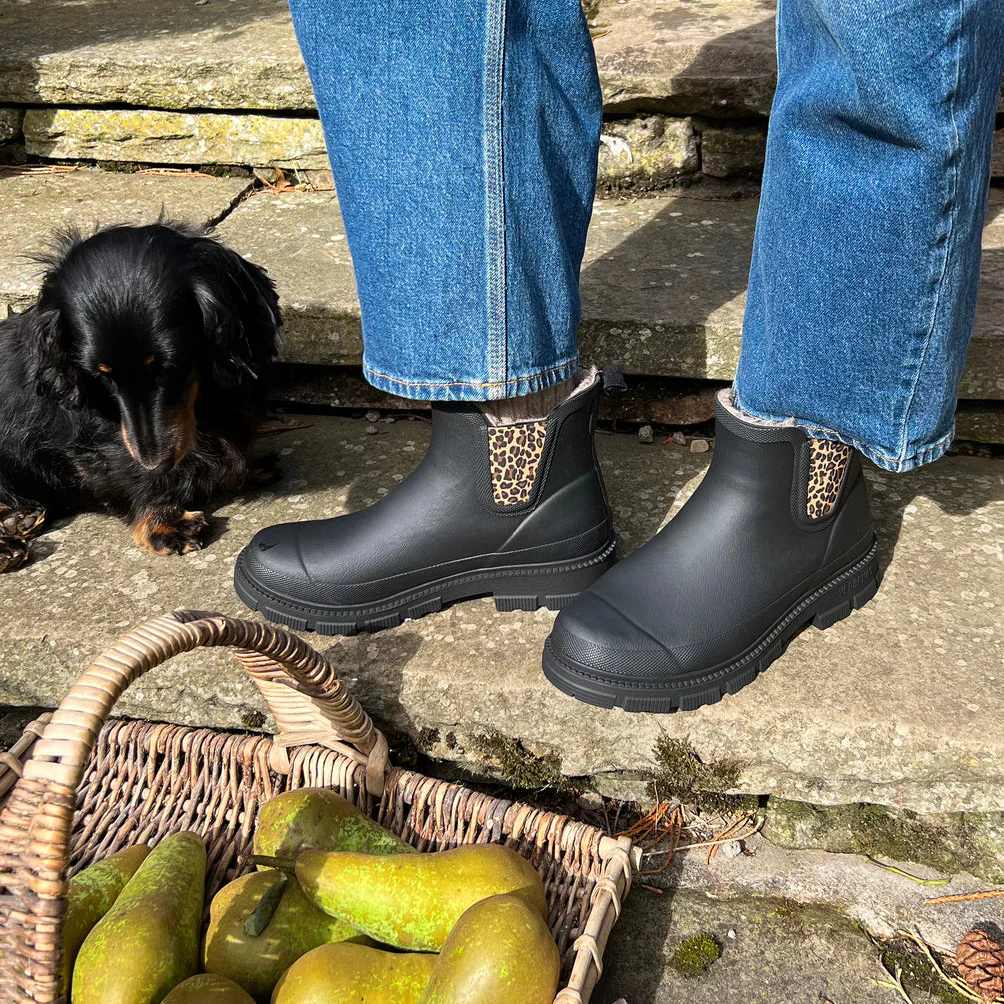
Water resistance changes across rubber Chelsea boot styles. Vulcanized rubber versions manage light rain and splashes well. Gardeners in normal conditions often find them enough. But very wet work may need extra cover like gaiters.
Durability comes from reinforced soles and quality rubber uppers. Many gardeners praise the boots for lasting regular use. Yet soles can wear quicker on rough surfaces like concrete paths. Good choice of strong models lengthens usable life a lot.
Elastic panels keep their stretch over time with quality materials. Reinforced toes protect against hits from tools or rocks.
Chelsea Boots vs Traditional Tall Boots for Gardening – A Practical Comparison
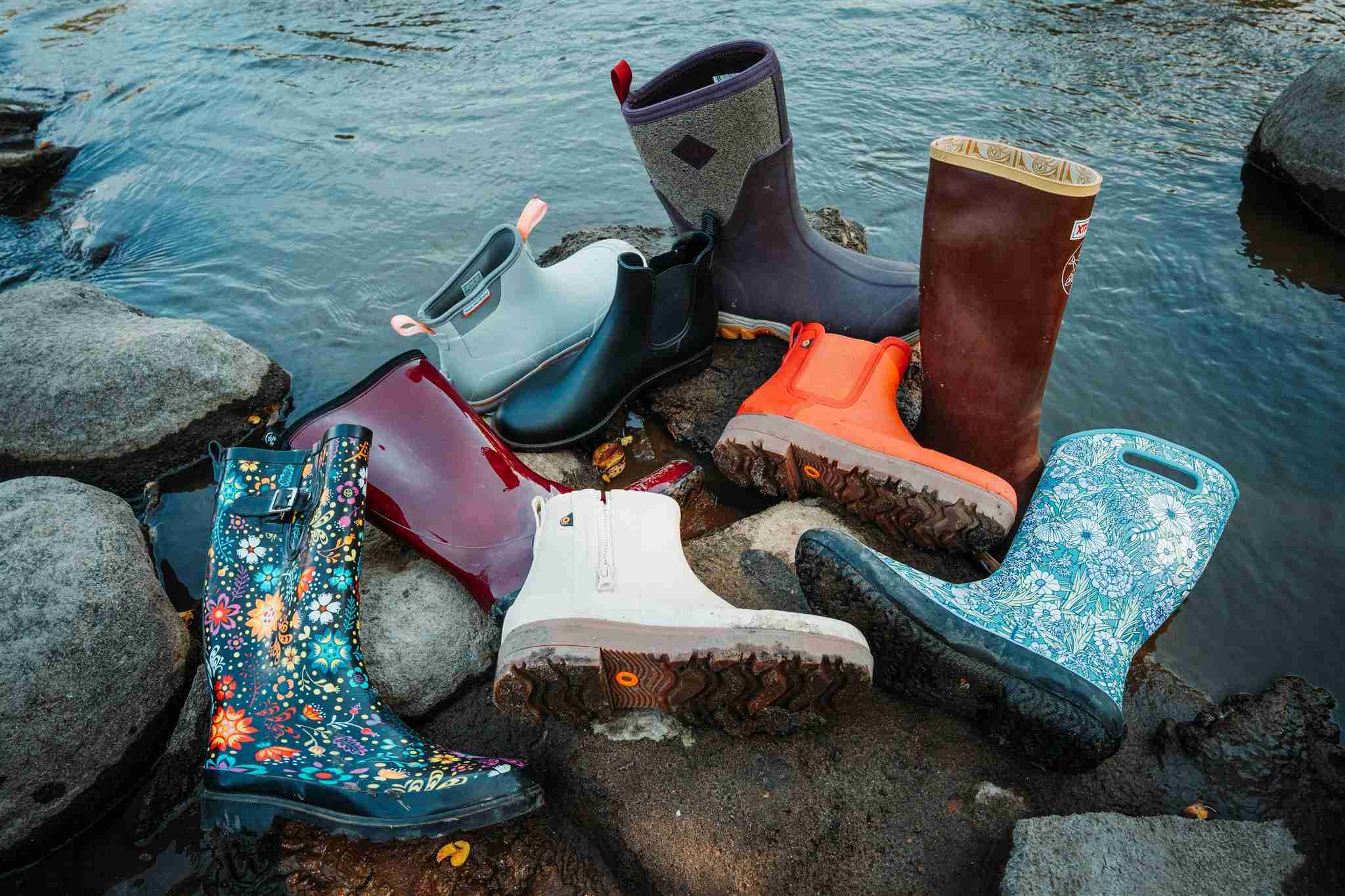
Gardeners often compare Chelsea boots to taller rubber or neoprene options. Chelsea boots do well in speed and style. They give less cover against deep mud. Taller boots supply better waterproof walls for long time in water.
Chelsea boots feel lighter and less bulky for quick tasks or smaller urban gardens. Traditional tall boots fit large vegetable plots or rainy seasons where full leg cover counts most. Many gardeners own both types. They switch based on daily conditions.
The lower shape of Chelsea boots makes them easier to store and cleaner for indoor moves. Taller options give better sealing in deep puddles. But they can feel warmer and heavier.
How Chelsea Boots Compare to Other Gardening Footwear Options
Gardeners check several footwear types based on their needs. Chelsea boots bridge the space between casual shoes and heavy work boots. They offer moderate protection with high ease. Clogs give air flow but lack ankle support and mud resistance.
Rubber ankle boots share slip-on ease. They may feel less firm. Chelsea boots often give better overall support and a nicer look. The pick depends on garden size, soil type, and how often wet conditions happen.
Clogs slip off easily during strong movement. Chelsea boots stay secure. Basic shoes take in water fast and give poor traction. Chelsea boots join parts of both for versatile performance.
When Chelsea Boots Outperform Clogs or Basic Shoes in the Garden
Clogs slip easily in mud. They offer little ankle stability. Chelsea boots stay firm during bending or lifting tasks thanks to their fitted design. Gardeners handling tools or wheelbarrows like the added security.
Shoes without water resistance get wet fast. Chelsea boots with resistant materials keep feet drier during morning dew or light showers. The mix of traction and coverage makes them more reliable for mixed garden activities.
The ankle support stops twists on uneven ground where clogs fail. Grippy soles beat smooth shoe bottoms on wet paths.
Best Practices for Choosing and Using Chelsea Boots in the Garden
Gardeners should check their usual conditions before they buy. Urban patio gardeners may focus on style and quick slip-on features. Those with big plots need stronger mud and water resistance. Testing fit with work socks makes sure of comfort from the first day.
Pairing boots with right insoles or treatments can improve performance. Regular checks for wear help keep effectiveness over seasons. Many gardeners rotate footwear to lengthen the life of each pair.
Selecting models with deep-lug soles improves grip in slippery conditions. Considering lining materials helps control temperature and moisture inside the boot. Proper sizing stops blisters and maximizes support.
Features to Look for in Chelsea Boots for Muddy Garden Conditions
Strong outsoles with deep lugs improve grip on slippery surfaces. Flexible yet supportive uppers last through bending without cracking. Gardeners gain from models with reinforced toes. These protect against accidental tool impacts.
Breathable yet water-resistant linings stop overheating in warmer months. Elastic panels should fit snug without limiting blood flow. These parts add to a boot that handles real garden needs well.
Durable rubber compounds resist wear from soil and gravel. Quality elastic keeps tension after repeated stretching. Reinforced seams lower the chance of leaks during long use.
Matching Chelsea Boots to Different Garden Types and Workloads
Small container or balcony gardens match well with lighter Chelsea boots focused on comfort and style. Larger allotment or backyard vegetable plots may need more solid versions with better traction and waterproofing.
Light weeding and planting tasks fit standard Chelsea boots. Heavy digging or mulching in wet seasons calls for reinforced models or extra taller boots. Gardeners should check workload strength when they decide on main footwear.
Urban gardens with paved paths favor sleeker shapes. Rural or clay-heavy soils demand stronger soles and better sealing. Seasonal changes affect whether Chelsea boots serve as main or extra options.
Discover Premium Rubber Chelsea Boots from Trenboo
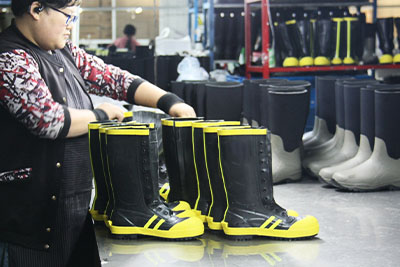
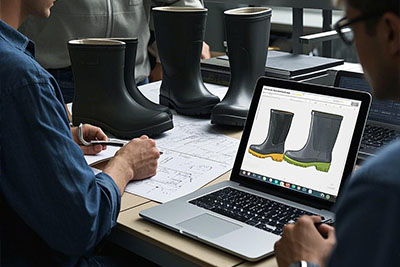
Trenboo serves as a leading vulcanized rubber boot manufacturer with a factory established in 1958 in China. The company specializes in high-quality rubber Chelsea-style rain boots and ankle boots featuring full waterproof construction, durable vulcanized soles, neoprene lining options for comfort and insulation, and strong traction suitable for outdoor and gardening use. With 6 production lines, a daily capacity of 5,000 pairs, ISO9001 and BSCI certifications, and full ODM/OEM customization services including custom designs, materials, colors, and linings, Trenboo delivers reliable, Quad-GUARANTEED rubber boots (Quality, Environment, Technology, Service) for business seeking practical slip-on protection. Contacte Trenboo hoje.
FAQ
Are Chelsea boots good for gardening?
Many gardeners find Chelsea boots effective for light to moderate tasks thanks to their slip-on convenience and ankle support. They perform best in conditions that do not involve deep standing water or heavy mud.
How do Chelsea boots compare to Wellington boots for garden work?
Chelsea boots offer easier on and off access and a lighter profile, while Wellington boots provide greater height and full waterproof coverage for wetter environments. Gardeners often choose based on specific daily needs.

 consultar
 WHATSAPP
 deixar a mensagem
 cima
cima