

Notícias relacionadas
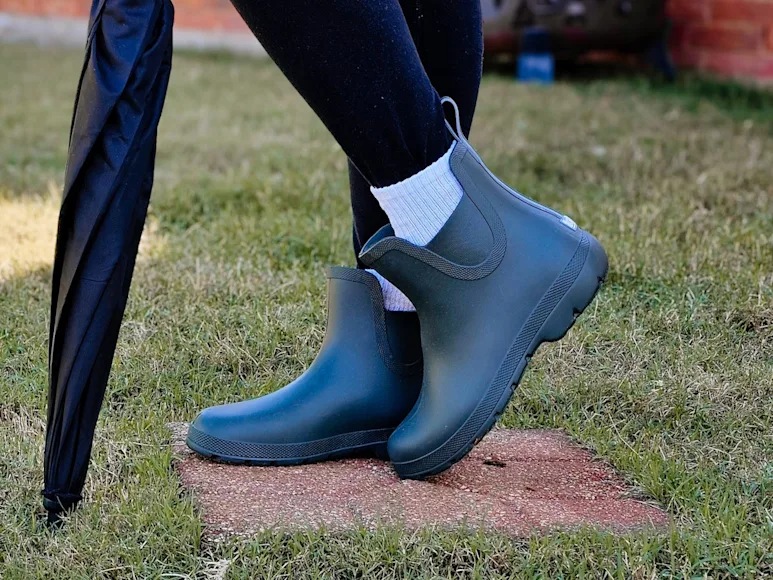
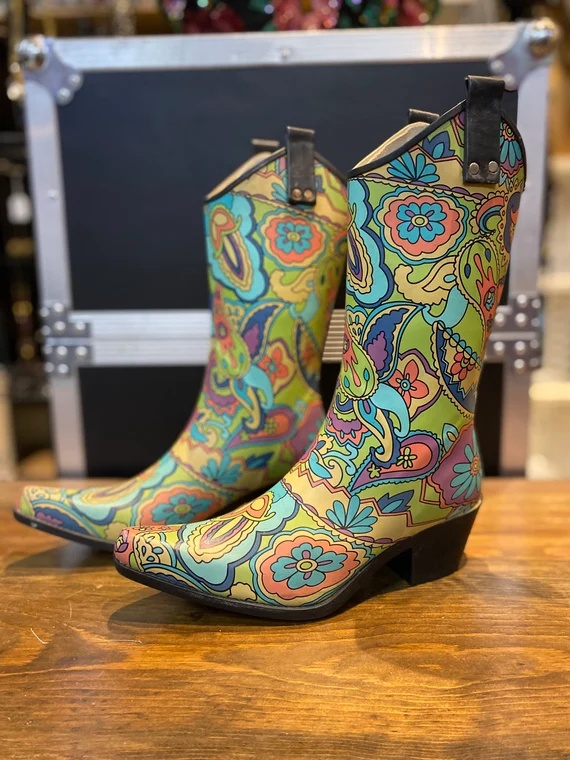
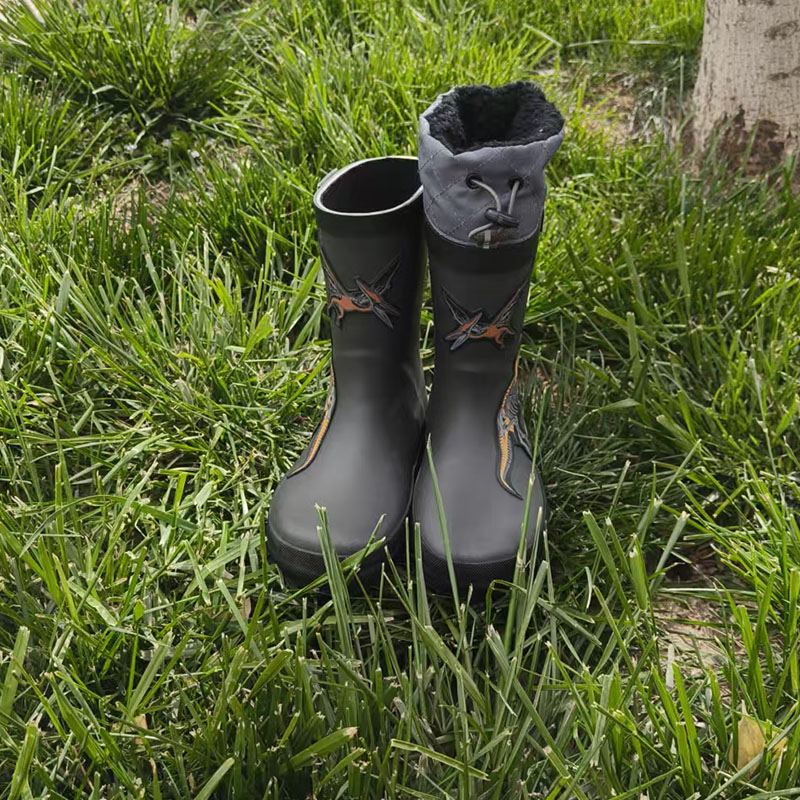
A diferença entre a goma natural e as botas de Wellington PVC
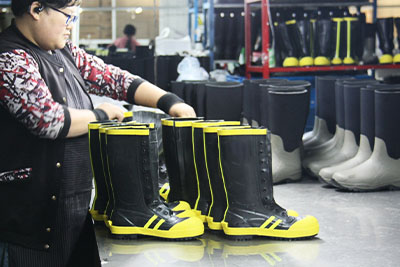
Botas de Wellington, muitas vezes chamados poços, trabalham como sapatos protetores chave em lugares molhados, lama e duros como fazendas, construções, empregos de paisagem e fábricas. Os principais materiais – borracha natural e cloreto de polivinilo (PVC) – afetam grandemente o quão bem elas duram, dobram, se sentem confortáveis, impactam no ambiente, e dão bom valor em geral. Trenboo atua como um fabricante e fornecedor dedicado à sua própria produção fábrica. Foca em borracha natural de alta qualidade, PVC, EVA, botas de wellington Neoprene-Lined construídas para lidar com necessidades profissionais e de grande ordem.
Do que são feitos os botes Wellington?
A maioria das botas de wellington vem de borracha natural ou PVC. Algumas incluem camadas internas especiais ou outras opções sintéticas de luz. O borracho natural vem do sap de latxo da árvore Hevea brasiliensis. Esta árvore cresce em áreas quentes como o Sudeste da Ásia e a América do Sul, e as pessoas podem colher novamente e novamente. PVC, por outro lado, é um plástico feito pelo homem criado de coisas baseadas no petróleo através de passos químicos.
Esses dois materiais são muito diferentes de onde vêm, como são feitos, e quais características trazem. Isso faz uma grande diferença quando escolhem botas para trabalho que precisam de proteção de água sólida e uso longo.
A borracha natural é pegada de árvores, transformada em folhas sólidas, e depois vulcanizada - um passo de aquecimento com sulfuro que constrói força e estira. O PVC começa com o monômero de cloreto de vinilo se ligando, então misturado com extras para dobramento e estabilidade.
Conhecer essas diferenças ajuda as pessoas a escolher as botas certas para compras em grande parte em condições de trabalho difíceis.
Boots Natural Rubber Wellington
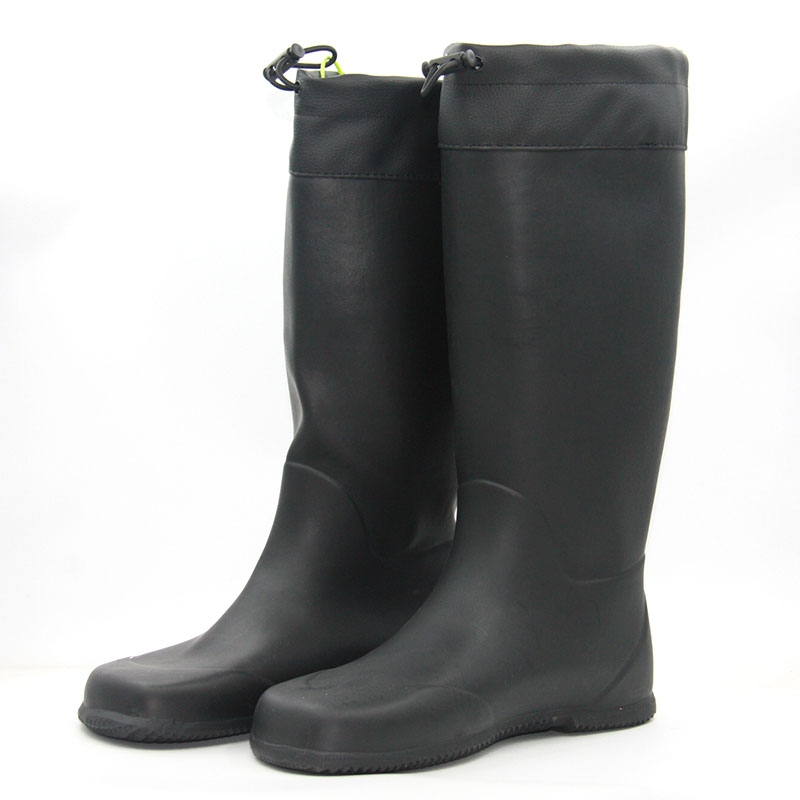
A borracha natural permanece a escolha clássica para melhores botas de wellington devido a seus fortes benefícios integrados.
Processo de Produção
Os trabalhadores coletam látex natural de árvores de borracha. Elas fazem folhas através da coagulação. Então a vulcanização acontece usando o método criado por Charles Goodyear. Isso transforma isso em coisas duras e esticadas. Depois disso, o material entra em moldagem de morte ou cuidadosa moldagem de mão para moldar as botas. Este trabalho cuidadoso mantém a estrutura sólida.
Propriedades chave e vantagens
-
Flexibilidade superior e estiramento - A borracha natural se dobra e se forma ao longo do tempo. Ele corta em pontos dolorosos e ajuda o movimento durante longas horas.
-
Melhor poder duradouro - Ele se levanta bem para quebrar, arrancar e usar mesmo depois de muitas dobras em pontos difíceis.
-
Grande calor mantém-se em tempo muito frio ou quente graças a seus traços de calor naturais.
-
Capaz de quebrar e reduzir o dano – vem de árvores que crescem de volta. Ela se quebra mais fácil do que coisas feitas pelo homem e usa menos produtos químicos ruins quando feitos.
-
Boa proteção contra raíz e substâncias químicas leves - Ela lida bem com ácidos leves, óleos e danos ao ar livre.
Comércio
-
Mais peso - O material se sente mais pesado que opções falsas. Isso pode cansar as pernas mais durante longos tempos de pé.
-
Preço mais alto no início - Recolher o látex e o trabalho de mão fazem com que custe mais em frente. Mas uma vida mais longa e menos trocas compensam.
-
Precisa de cuidado - Limpar e tratar bem ajuda a durar mais em fábrica duro ou uso de campo.
A borracha natural faz o melhor em empregos que precisam de confiabilidade constante, como agricultura, trabalho em árvores e tarefas externas de construção.
PVC Wellington Boots
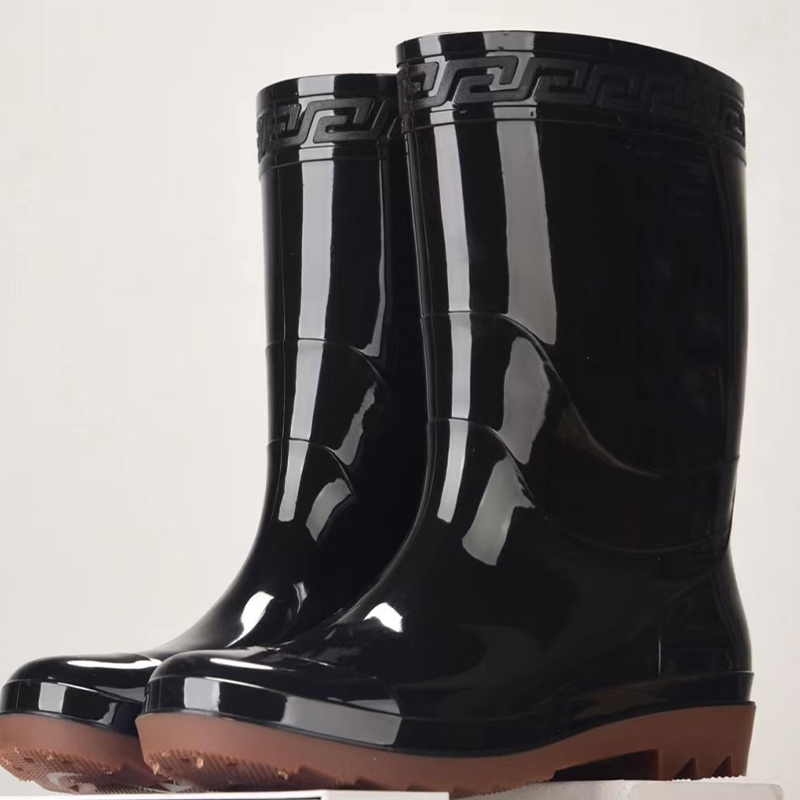
O PVC funciona como uma escolha sintética comum, especialmente quando o dinheiro importa muito para grandes ordens.
Processo de Produção
Os pedaços de PVC derretem e são empurrados em moldes de botas rápido. Este método de injeção rápida permite muitas botas com pouco trabalho de mão.
Propriedades chave e vantagens
-
Construção ligeira - Os botes pesam muito menos. Isso ajuda durante turnos de dia inteiro em áreas de armazenamento, trabalho de peixe ou empregos fáceis na fábrica.
-
Baixo custo - coisas mais baratas e rápido fazendo fatos grandes compras ou uso de uma vez.
-
Protecção forte contra produtos químicos - Ele luta bem contra óleos, ácidos, solventes e limpezas. Isto encaixa em plantas alimentares, manejo químico e áreas de limpeza.
-
Simple para limpar - O lado de fora suave detém manchas e limpa rápido. Isso importa em lugares limpos ou sujos.
Comércio
-
Menos inclinação – o sentimento de pico pode magoar os pés, causar blisters, ou dar mal inclinação após um uso longo, uma vez que falha de forma para o pé.
-
Poder duradouro mais fraco – fica fraco, quebra facilmente (especialmente no frio ou no sol), e perde forma. Isso significa substituições mais frequentes.
-
Preocupações ambientais - Fazidas com petróleo, não se quebra e provoca mais poluição quando produzidas. - A reciclagem permanece limitada.
-
Sensibilidade à temperatura – fica muito rígida em frio profundo. Isso pode torná-lo arriscado em terra fina.
O PVC se encaixa melhor onde o baixo preço e escudo químico importam mais do que o conforto todo o dia.
Considerações Materiales Adicionais: Linings e Alternatives
Além das construções básicas de borracha natural e PVC, camadas internas especiais e outros materiais satisfazem certas necessidades de emprego.
Boots Wellington Lined Neoprene
Neoprene, um borracho sintético usado em roupas húmidas e equipamentos de mergulho, muitas vezes encaixa o interior das botas naturais de wellington de borracha. Isso aumenta muito o calor e o conforto.
-
Escudo de calor superior – camadas grossas de neopreno (geralmente 3-5 mm ou mais grossas) dão calor forte até -20°C ou mais baixo. Isto se encaixa com o trabalho de quinta de inverno, corte de árvores ou locais de construção fria.
-
Melhor conforto e encaixo - Ela forma perto do pé para suporte rápido. Isso corta deslizamento e cansaço. Muitos têm tecidos que tiram sudor.
-
Uma camada extra à prova da água - Ele atua como uma meia interior completa. Isso acrescenta proteção se a parte externa receber pequenos danos ou de umidade interna.
-
Forte em ambientes duros – mantém-se dobrado e quente mesmo após longa exposição húmida e fria.
Comércio - Pode ficar quente demais em tempo quente. O tamanho deve encaixar bem para evitar fluxo sanguíneo em massa ou estreito.
As botas de borracha natural de neopreno fazem uma melhoria inteligente para os trabalhadores em lugares frios e húmidos constantes.
EVA (Acetato de Etileno-Vinil) Boots Wellington
EVA é um sintético de espuma leve, frequentemente usado em botas de wellington de serviço mais fácil ou apenas para solas.
-
Construção ultra-luz – Muitas vezes 50-60% mais ligeira que botas similares de borracha natural ou PVC. Isso reduz a cansação das pernas em turnos mais leves.
-
Grande colocação e tomada de choque - Dá uma sensação suave e primavera debaixo de pé com bom salto de volta. Isso ajuda a confortar o dia todo.
-
Faz um pedaço de prova de água – moldado completamente sem se juntar com certeza sem vazamento.
-
Fica curvado no frio – mantém suave em tempos baixos melhor que alguns tipos de PVC. Evita o difícil sentimento no inverno.
Comércio - Mais fraco contra punções, lágrimas e resíduos pesados do que borracha natural ou PVC sólido. É adequado ao trabalho médio em vez de muito duro ou extremo.
As escolhas da EVA funcionam bem quando o baixo peso e o alto conforto vêm primeiro acima da duração superior. Pensem em empregos de fazenda ligeiros, trabalho de peixe, ou tarefas estacionais fora.
Escolhar a superfície certa ou outro material depende do tempo, do quão difícil é o trabalho, do intervalo temp or ário e das necessidades principais.
Análise Comparativa: Goma Natural vs. PVC
| Aspecto | Goma natural | PVC |
|---|---|---|
| Durabilidade | Alto (se levanta a quebrar e lágrimas) | Moderado (fica fraco facilmente) |
| Flexibilidade/Comfort | Excelente (formas a pé) | Limitado (duro, pode magoar) |
| Peso | Mais pesado | Peso ligeiro |
| Custo | Mais alto no início, mais baixo com o tempo | Baixo no início, substituições mais altas |
| Impacto Ambiental | Renovables, quebra | baseado no petróleo, não se quebra |
| Resistência Química | Bom (para coisas leves) | Superior (ácidos, óleos, solventes) |
| Rango de temperatura | Largo (mesmo muito frio) | Mais estreitas (dificuldades no frio) |
Essa visão lado a lado mostra que borracha natural ganha na vida longa e conforto para ambientes de trabalho duros.
Aplicações e Orientações de Seleção
As botas de borracha natural brilham na agricultura, construção e trabalho ao ar livre que precisa de roupa de dia inteiro e forte segurança meteorológica. Os tipos de PVC encaixam em campos químicos pesados, em curto uso, ou compras or çamentais restritas em massa.
Vejam quanto tempo dura a exposição, produtos químicos ao redor, extremos de frio ou calor, e quanto vezes as botas são substituídas. Para melhor desempenho frio, botas de borracha natural com neoprena trazem grandes ganhos. Para necessidades ligeiras de peso, EVA dá uma escolha sólida.
FAQ
Qual é a diferença primária entre borracha natural e PVC nas botas de Wellington?
O borracho natural traz melhor dobramento, long a vida e vantagens verdes de uma fonte de árvore. PVC dá peso ligeiro e proteção química forte a custo menor.
Qual material dura mais em uso pesado?
O borracho natural normalmente sobrepasa o PVC. Ela resiste a quebrações, uso e danos externos melhor.
O borracho natural é mais ecológico?
Sim. Ela se quebra e vem de árvores que se renovam. Também usa menos coisas nocivas quando feitas do que PVC baseado no petróleo.
Quando deveriam preferir botas de wellington PVC?
Usá-los quando aparecem substâncias químicas fortes, óleos ou ácidos. Ou quando o peso ligeiro e o custo baixo de início são mais importantes.
Que benefícios oferecem as botas de neopreno?
As camadas neoprenas dão calor superior em frio, melhor encaixam que moldes para o pé, e ajuda extra à prova de água como escudo interior.
Como EVA se compara com borracha natural ou PVC?
EVA se destaca por um peso muito baixo e molho. Mas isso dá menos resistência e guarda de punção. É melhor para empregos profissionais mais ligeiros.
parceiro com Trenboo para Premium Natural Rubber Wellington Boots e PVC, EVA, Neoprene-Lined Wellington Boots
Como principal fabricante, fornecedor e fornecedor direto à fábrica, o Trenboo fornece botas de wellington natural de alta qualidade, adaptadas para volumes ODM OEM requisitos. Com experiência na produção vulcanizada de borracha natural – incluindo opções avançadas com neopreno – Trenboo assegura durabilidade superior, flexibilidade, isolamento e desempenho para aplicações industriais, agrícolas e profissionais. Contacte Trenboo hoje para discutir especificações personalizadas, preços de volume, e soluções de abastecimento direto para fábrica para calçados seguros à água confiáveis que resistam condições exigentes.

 consultar
 WHATSAPP
 deixar a mensagem
 cima
cima