

أخبار ذات صلة


دليل نعال أحذية المطر المطاطية: النعال المصبوبة مقابل النعال المصقولة
يُعدّ اختيار تصميم النعل الخارجي المناسب قرارًا هامًا في مجال بيع أحذية المطر المطاطية بالجملة. فبالنسبة للمستوردين والموزعين وموردي ملابس العمل وعلامات الأحذية التجارية الخاصة، يؤثر تصميم النعل الخارجي على المتانة والمرونة ووزن المنتج واستثمارات الأدوات ومدة التسليم وسعر التسليم المستهدف ومتطلبات الامتثال والموقع السوقي طويل الأجل. وبصفتها شركة مصنعة لأحذية المطاط وموردة لخدمات تصنيع المعدات الأصلية/تصميم المعدات الأصلية، تدعم ترينبو المشترين العالميين بتوفير أحذية مطر وأحذية خارجية وأحذية عمل مصممة خصيصًا لبرامج البيع بالجملة والعلامات التجارية الخاصة.

نعال الأحذية المطاطية المصبوبة مقابل النعال المطاطية المصقولة: الاختلافات الرئيسية للمشترين
نعال مطاطية مصبوبة
يتم تشكيل النعل الخارجي المطاطي المصبوب في قالب معدني مخصص تحت تأثير الحرارة والضغط. تعمل عملية الفلكنة على تثبيت المطاط بينما يقوم القالب بإنشاء نمط النعل، وشكل الكعب، ومناطق الدعم، والتجاويف، وتفاصيل العلامة التجارية المنقوشة.
يُتيح التصميم المصبوب إمكانية الحصول على نتوءات أعمق، وهندسة متناسقة، ودعم أقوى للكعب، ومجال أوسع للتصميمات عالية الأداء. وهو مناسب عمومًا للأحذية المطاطية الخارجية، وأحذية المشي لمسافات طويلة، وأحذية صيد الأسماك، والأحذية الزراعية، وأحذية السلامة.
بالنسبة للمشترين الذين يستهدفون أسواق الأحذية الخارجية المتميزة أو الزراعية أو الخاصة بالصيد أو السلامة، يمكن أن توفر النعال الخارجية المصبوبة تمييزًا أقوى للمنتج وقيمة أعلى متصورة.
نعال مطاطية مصقولة
تبدأ عملية تصنيع النعل الخارجي المُقوّى بتشكيل مركب مطاطي على هيئة صفائح ذات سماكة وأنماط سطحية محددة. تُقطع قطع النعل وتُجمّع وتُعالج حرارياً مع الحذاء.
تدعم هذه الطريقة بشكل عام تصميمات أخف وزناً وأكثر مرونة، وتقلل الاعتماد على قوالب النعل الخارجي المعقدة.
بالنسبة لتجار الجملة، يمكن أن تكون النعال المصقولة خيارًا عمليًا للمجموعات الموسمية وبرامج اختبار السوق ومجموعات المنتجات الحساسة للسعر حيث يلزم التحكم في استثمار الأدوات.

كيف يختار تجار الجملة النعل الخارجي المطاطي المناسب للأحذية
عند اختيار النعل الخارجي، يجب مراعاة أكثر من مجرد الأداء. ينبغي على المشترين تقييم السوق المستهدف، وسعر البيع، وكمية الطلب، وموقع المنتج في السوق، ودورة إعادة الطلب المتوقعة قبل وضع التصميم النهائي للحذاء المطاطي.
التطبيق والمكانة السوقية
تُختار النعال المصبوبة عادةً لأحذية الأنشطة الخارجية والزراعية وصيد الأسماك وأحذية السلامة عالية الجودة. أما النعال المصقولة فهي مناسبة في الغالب لأحذية المطر الخفيفة، ومجموعات ملابس الأطفال، وعروض الأزياء، ومجموعات البيع بالجملة للمبتدئين.
التكلفة وحجم الطلبات
ينبغي على المشترين مراعاة الاستثمار في الأدوات، ومتطلبات الحد الأدنى لكمية الطلب، والحجم السنوي المتوقع، وخطط إعادة الطلب المستقبلية عند الاختيار بين تصميمات النعل الخارجي.
المواد والتطبيقات واعتبارات الطلبات بالجملة
المواد وتصميم المنتج
تُعدّ النعال المصبوبة الخيار الأمثل عادةً عندما تُعطى الأولوية في مواصفات المنتج للثبات، والدعم، ومقاومة التآكل، أو الأداء المتميز. أما النعال المصقولة، فهي غالبًا ما تكون فعّالة تجاريًا عندما تكون المرونة، وتقليل تعرض الأدوات، وسهولة التعبئة، والألوان الموسمية، أو اختبارات التصميم الشاملة أكثر أهمية.
يجب اتخاذ القرار النهائي بالتزامن مع اختيار الجزء العلوي والبطانة. يوفر الجزء العلوي المصنوع من المطاط الطبيعي دعمًا ممتازًا للأحذية المطاطية الناعمة المصنوعة يدويًا؛ بينما يضيف النيوبرين عزلًا حراريًا ومرونة مناسبة للاستخدام في الأنشطة الخارجية أو العمل؛ وتناسب البطانة المصنوعة من مزيج القطن والبوليستر الأحذية الموسمية الخفيفة؛ أما البطانات المصنوعة من الصوف أو مزيج الصوف فتُناسب الأسواق الباردة. ويمكن للشبكة الهوائية تحسين امتصاص الرطوبة في المناخات الدافئة.
التكلفة، والحد الأدنى لكمية الطلب، ومخاطر الطلبات بالجملة
يعتمد الحد الأدنى لكمية الطلب على طراز الحذاء، وتصميم النعل الخارجي، ومتطلبات اللون، وتوفر القوالب، وطريقة وضع الشعار، ونطاق المقاسات، ومواصفات التغليف، وتخطيط الطلب. هذه الأرقام خاصة بكل طراز، ويجب إعادة تأكيدها في طلب عرض الأسعار.
قبل طلب كمية كبيرة، يجب أن تحدد المواصفات تركيبة المطاط، وصلابة وسمك النعل الخارجي، ووزن الزوج، ونسبة المقاس، والبطانة، وألوان بانتون، واختبارات المطابقة، والتغليف، وعلامات الكرتون، وشروط التجارة الدولية (إنكوترم)، ومعايير الفحص، ومعالجة العيوب. كما يجب توثيق ملكية الأدوات وحقوقها الحصرية عند تطوير قوالب جديدة أو نعال خارجية مصبوبة.
اعتبارات شراء أحذية المطر المطاطية الأصلية
التخصيص والموافقة على العينات
تشمل خيارات التخصيص المتاحة سمك المطاط ونوعه، وألوان الجزء العلوي، والطبعات، والأنماط، والتشطيبات السطحية، وارتفاع الحذاء، والبطانة، ونمط النعل، وقالب الحذاء، والتغليف. ويمكن وضع الشعار على النعل الخارجي، أو الجزء العلوي، أو الشريط العلوي، أو عروة السحب.
تشمل أشكال التغليف الشائعة صناديق الأحذية المطبوعة أو المصنوعة من ورق الكرافت، وورق المناديل، وبطاقات التعليق، وبطاقات العناية، وملصقات المقاسات، والرموز الشريطية، وكراتين التصدير، وعلامات الشحن.
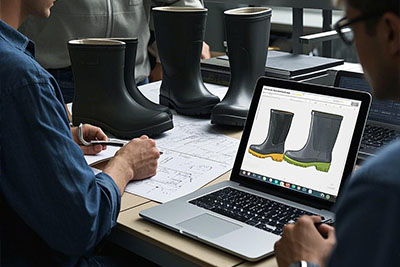
يجب أن تتضمن عملية أخذ العينات الخاضعة للرقابة اختيار التطبيق، والتأكد من القالب والنعل الخارجي، واختيار المواد، وتحديد اللون والشعار، وتحديد تكلفة العينة، والموافقة على مدة التسليم. يجب فحص عينة التأكيد النهائية للتأكد من ملاءمتها، وعرض الساق، وارتفاع الحذاء، وليونة المطاط، ونقشة النعل، ومقاومة الماء، ووضوح الشعار، ودقة ألوان بانتون، وتصميم العبوة، وتدرج المقاسات قبل منح الإذن بالإنتاج.
توقيت الإنتاج ومراقبة الجودة
تختلف مدة تطوير العينات وإنتاجها تبعًا لمدى تعقيد التصميم، وتوافر المواد، ومتطلبات التخصيص، وكمية الطلب. يشمل مشروع نموذجي لتصنيع أحذية مطاطية من قِبل مُصنِّع المعدات الأصلية مراحل تطوير العينات، والتأكد من المواد، والتحضير للإنتاج، والتصنيع بالجملة. بناءً على فئة المنتج ومستوى التخصيص، قد تستغرق بعض المشاريع ما يقارب 15-20 يومًا للتطوير و30-40 يومًا للإنتاج بالجملة. يجب تأكيد مواعيد التسليم النهائية وفقًا للعينة المعتمدة، وأمر الشراء، وخطة الإنتاج.
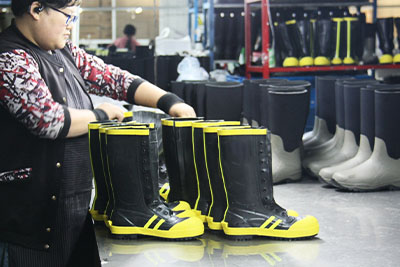
تشمل مراقبة الجودة فحص الألواح المطاطية الواردة، وفحص التجميع أثناء عملية التصنيع، واختبار التسرب بعد عملية الفلكنة، وفحص خط التعبئة والتغليف، وأخذ عينات نهائية وفقًا لمعيار AQL 2.5. يجب أن تحدد شروط الطلب بالجملة العينات المعتمدة، ومسؤولية الاختبار، والتفاوتات المسموح بها، وفحص ما قبل الشحن، وإجراءات الاستبدال، ووثائق المطالبات.
بالنسبة لمشاريع أحذية المطر ذات العلامات التجارية الخاصة، يمكن للمشترين مراجعة عملية تصنيع المعدات الأصلية/تصميم المعدات الأصلية لشركة ترينبو و مجموعات الأحذية المطاطية ذات الصلة قبل إعداد طلب عرض الأسعار.
منتجات ذات صلة بتخطيط نطاقات التدريب
خيارات المنتج حسب قناة البيع
أحذية الأطفال المطاطية ذات المقابض سهلة الارتداء تناسب برامج أحذية الأطفال التي تتطلب تصميمًا خفيف الوزن ومناطق تخصيص مرئية.
أحذية مطاطية خارجية للبالغين مصنوعة من النيوبرين دعم أعمال البستنة والزراعة والصيد ومجالات العمل في الطقس الرطب.
تعتبر أحذية المطر القابلة للطي والتي تُلبس حافية القدمين مناسبة للسفر وللمجموعات الخارجية الصغيرة.
أحذية العمل المطاطية ذات المقدمة الفولاذية المعزولة تلبي احتياجات القنوات الصناعية وقنوات السلامة، وتخضع لمراجعة اعتماد خاصة بكل سوق.
توفر أحذية المطر النسائية ذات التصميم العصري التي تصل إلى منتصف الساق منصة للألوان الموسمية والتشطيبات والعلامات التجارية الخاصة.
صندوق قدرات المصانع والمشتريات
القدرة والشهادات وخبرة التصدير
يُشير المصنع إلى موقع تبلغ مساحته 20,000 متر مربع، ويعمل به أكثر من 260 موظفًا في المكاتب والإنتاج، ويضم ستة خطوط إنتاج، بطاقة إنتاجية تبلغ حوالي 5,000 زوج من الأحذية يوميًا. ويذكر موقعه الإلكتروني أنه يُصدّر منتجاته إلى أكثر من 50 دولة، ويحمل شهادتي ISO 9001 وBSCI، كما أن إنتاجه متوافق مع متطلبات لائحة REACH الأوروبية، ومتطلبات معيار EN ISO 20345 S5 لأحذية السلامة. ويضم المختبر جهاز قياس لزوجة الفلكنة، وجهاز اختبار الشد، وجهاز اختبار الانثناء.
تتوفر مواد تبطين معاد تدويرها معتمدة من GRS وصناديق أحذية معتمدة من FSC كخيارات متاحة. كما تنص سياسة الخدمة المنشورة على دعم الخدمات اللوجستية وتعويض قيمة FOB للمرتجعات المؤهلة التي تعود إلى المصنع. يجب تضمين شروط ما بعد البيع الدقيقة في اتفاقية التوريد.
أسئلة متكررة
أي نوع من النعال أفضل للأحذية الخارجية أم لأحذية السلامة؟
تُعتبر النعال المصبوبة مفضلة بشكل عام عندما يكون التماسك العميق والدعم الهيكلي والمتانة العالية من العناصر الأساسية في مواصفات المنتج.
أي نوع من النعال يتطلب عادةً أدوات أقل؟
عادةً ما تقلل النعال المصقولة من الاستثمار في قوالب النعال الخارجية، ويمكن أن تكون عملية للبرامج الموسمية أو الخفيفة أو برامج اختبار السوق.
ما الذي يجب التأكد منه قبل الإنتاج الضخم؟
يجب تأكيد كل من العينة المعتمدة، ومجموعة المقاسات، والمواد، وألوان بانتون، والشعار، والنعل الخارجي، والبطانة، والتغليف، ومتطلبات الاختبار، ومعيار AQL، وجدول الإنتاج، والشروط التجارية كتابيًا.
هل يمكن لمجموعة واحدة بالجملة استخدام كلا نوعي النعال؟
نعم. يمكن للنعال المصبوبة أن تدعم منتجات الهواء الطلق والسلامة والأداء المتميزة، بينما يمكن للنعال المصقولة أن تغطي أحذية الأطفال المطاطية، وأحذية المطر القابلة للطي، ونماذج الأزياء، ونطاقات الأسعار الابتدائية.
ابدأ مشروعك الخاص بأحذية المطر المطاطية
ترينبو هي شركة مصنعة وموردة لمنتجات OEM/ODM، متخصصة في حلول أحذية المطر المطاطية المُخصصة، بما في ذلك أحذية المطر للأطفال، وأحذية المطر العصرية للبالغين، وأحذية الأنشطة الخارجية، وأحذية المطر القابلة للطي، وأحذية العمل الآمنة. يمكن للمستوردين والموزعين وتجار التجزئة والعلامات التجارية الخاصة مناقشة متطلبات المنتج، وخيارات النعل الخارجي، واحتياجات التخصيص، وكميات الطلب، ومتطلبات الامتثال، وجداول التسليم مع فريق المصنع من خلال صفحة الاتصال.

 استشارة
 واتساب
 اترك رسالة
 أعلى
أعلى