


石油・ガス業界で働くのに最適な安全靴は何ですか?
石油・ガス業界では、滑りやすい床、化学物質との接触、強い衝撃、そして変化しやすい天候など、過酷な状況にも耐えうる丈夫な保護靴が求められます。Trenbooは、高品質の加硫ゴムブーツと安全靴の大手メーカー兼サプライヤーとして、こうした過酷な作業環境に特化した製品を提供しています。

石油・ガス業界向け安全靴の主な安全要件
石油・ガス業界の労働者は、掘削装置、製油所、パイプライン、海上プラットフォームなどで特有の危険に直面します。足の保護具は、多くのリスクを同時にカバーする必要があります。これにより、規則の遵守と労働者の安全確保が促進されます。
油田作業用ブーツにおける衝撃および圧縮保護
スチール製のつま先キャップまたは複合材製のつま先キャップは、作業現場でよく見られる落下物や挟み込みの危険から足を守る重要な役割を果たします。EN ISO 20345(S5等級)やASTM規格などの基準を満たすことで、基本的な耐衝撃性が保証されます。これらの耐衝撃性は通常200ジュールに達します。
石油掘削作業用ブーツおよび危険な路面における滑り止め性能
油、グリース、水、掘削液などは滑りやすい場所を作り出します。丈夫な石油掘削作業用ブーツには、SRC規格または同等の高グリップゴム素材が必要です。また、深く粗いトレッドパターンも必要です。これにより、油で滑りやすい床や格子状の床での滑りを軽減できます。
オフショア安全ブーツにおける耐薬品性および耐油性
炭化水素、酸、工場溶剤との接触には、劣化に強い材料が必要です。特殊な加硫ゴム混合物とネオプレンカバーは、 石油・ガス業界向け安全ブーツ 長時間触れても形状を維持し、曲がる。
油田作業における防水性と環境耐久性
滑らかな加硫構造や新しい防水層により、油田作業でよくある濡れた場所、泥だらけの場所、浸水した場所でも足をドライに保ちます。断熱性のある素材は、海上エリアで見られるような極端な高温または低温に対応します。
過酷な石油・ガス現場における耐穿刺性
スチール製または複合素材製のミッドソールは、野外作業でよく見られる鋭利なゴミ、釘、荒れた地面から足を守ります。
高性能石油・ガス安全ブーツの重要な特徴
作業用油田ブーツは、多くの警備技術者が使用するブーツと共通点が多く、長時間作業でも快適に過ごせるよう配慮されています。
優れたグリップ力を実現する先進的なアウトソールテクノロジー
加硫成形ゴム底または二層構造により、耐久性、耐衝撃性、耐油性を兼ね備えています。SRC認証を受けたソールは、石油掘削装置や製油所での作業に必要な安定した牽引力を提供します。
プレミアム安全靴のアッパー素材構造
良質な天然ゴム配合材は、曲げ強度、耐擦傷性、そして長期にわたる強度を実現します。厚みや感触は、石油・ガス関連の用途に合わせて調整可能です。
一日中快適な着心地を実現する裏地と断熱材のオプション
ネオプレン、ポーラーフリース、またはエアメッシュ素材のカバーは、オフショア用安全ブーツや断熱性のある油田用ブーツにおいて、防水性、温度調節機能、および濡れた状態での取り扱いやすさを提供します。
高さのバリエーションと閉鎖システム
膝丈のウェリントンブーツ、またはふくらはぎ丈のオイルリグブーツは、丈夫なプルタブが付いているため、しっかりとフィットし、過酷な作業中に土埃が侵入するのを防ぎます。
専門職向けの追加資格
電気的危険(EH)対策、帯電防止特性、および世界基準への完全準拠は、石油・ガス分野における多くの業務に役立ちます。

油田作業員に最適な作業靴を選ぶ際のよくある課題
購買チームは、大規模な従業員グループに対して、セキュリティ、使いやすさ、コストパフォーマンスを比較検討する必要がある。
石油・ガス業界の過酷な条件下での耐久性
擦り傷、曲げ、化学薬品にさらされると、低品質の靴の寿命は短くなることが多い。最高級の加硫ゴム 石油・ガス業界向け安全ブーツ 使用期間を延長する。また、変更の必要性も低減する。
石油掘削施設における長時間勤務時の快適性
重かったり、作りが悪かったりするブーツは疲労の原因となる。軽量でありながら、柔らかい素材を使用し、体にフィットする構造の油田作業用ブーツは、規則遵守能力を高める。また、不安感のリスクも軽減する。
グローバル事業における規制遵守
複数の地域にわたるプロジェクトでは、異なる規格(EN ISO、ASTMなど)への適合が求められます。柔軟な製造プロセスにより、石油掘削リグ用ブーツやオフショア用安全ブーツは、現地のニーズを満たす、あるいはそれを上回る品質を実現します。
産業用購入者向けカスタマイズオプション
大口購入者は、石油・ガス安全計画向けに設定された出力特性、配合、およびマークを備えた適合オプションから利益を得ることができます。
Trenbooはどのようにして石油・ガス業界の安全靴の需要に応えているのか
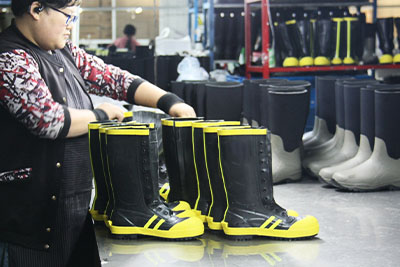
Trenboo社は、耐油性・滑り止め機能を備えた安全靴を大量生産するための新しい加硫ゴムブーツ工場を稼働させています。長年にわたる製造技術は、ISO9001、BSCI、REACH、EN ISO 20345の認証基準に適合しています。
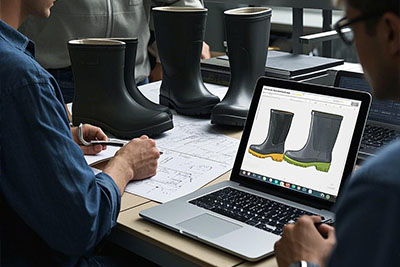
技術面では、耐油性・耐薬品性を向上させるためのカスタムゴム配合、新しいアウトソール形状、ネオプレンの添加、そして油田やオフショアのニーズに合わせた完全なOEM/ODM開発などが含まれます。
石油・ガス業界における安全靴プログラムのベストプラクティス
現場固有のリスク評価
適切な石油掘削リグ用ブーツ、油田用ブーツ、またはオフショア安全ブーツを選ぶには、危険性を確認してください。シンプルなものは避けてください。
適切なフィットテストと従業員研修
ゴム長靴の場合、主にふくらはぎのサイズに合った適切なサイズ選びが重要であり、適切な手入れ方法に関するトレーニングと組み合わせることで効果を発揮します。これは、石油・ガス関連施設における安全意識の向上につながります。
点検および交換手順
耐久性に優れた外観は、石油・ガス業界の安全靴が使用期間を通じて生産性基準を維持することを保証します。
戦略的なサプライヤー選定
油田作業員向けの最高品質のワークブーツを工場規模で安定的に生産し、安定した品質と成長を実現できる熟練メーカーと提携しましょう。
油田・海洋安全靴における新たなイノベーション
新たな改良点としては、軽量な複合素材、より優れたフィット感を実現する設計、曲げ部分の改良、2種類の素材を組み合わせたアウトソール、そして必要な耐油性と耐久性を維持するグリーンラバー設計などが挙げられます。
結論
石油・ガス関連作業に適した安全靴を選ぶには、保護性能、素材の耐久性、そして油田、石油掘削装置、海上といった過酷な環境での長期間の使用に耐える性能を綿密に確認する必要があります。Trenbooは、こうしたニーズに応える信頼できるパートナーとして、現場の最も過酷な要求に応える最高品質のゴム製安全靴を提供しています。
足幅が狭くてもワイドカーフレインブーツを履けますか?
石油・ガス業界の作業員にとって最適な安全靴は何ですか?
優れた石油・ガス安全靴は、多くの場合、スチール製または複合材製のつま先、SRC滑り止め、耐油・耐薬品性、耐穿刺性、防水加硫構造を備えています。
ゴム製の長靴は、石油掘削作業用のブーツとして適していますか?
はい、高品質の加硫ゴム製およびネオプレン製の石油掘削作業用ブーツは、濡れた場所、油っぽい場所、泥だらけの場所でも優れた性能を発揮します。また、必要な安全認証も満たしています。
優れた油田作業用ブーツは、一般的な作業用ブーツと何が違うのでしょうか?
油田用ブーツは、耐油性、滑りにくい粗いアウトソール、炭化水素に対する耐久性を最優先に設計されており、掘削および精製作業に関する厳格な規則に適合しています。
高品質のオフショア安全靴は通常どのくらい持ちますか?
熟練メーカー製の最高級オフショア安全靴は、工場での過酷な使用環境下でも6~12ヶ月以上安定した性能を発揮します。ただし、これは接触強度によって異なります。
石油・ガス業界の安全靴は、特定の作業に合わせてカスタマイズできますか?
はい、一流サプライヤーは、油田の特殊なニーズに合わせて、配合、高さ、マーク、出力特性などをカスタマイズしたOEM/ODMサービスを提供しています。
石油・ガス業界における安全靴のニーズは、Trenbooにお任せください。
作業グループに、作業ニーズに合った、丈夫でしっかりとした石油・ガス安全ブーツ、油田ブーツ、オフショア安全ブーツを提供します。幅広い適合技術を持つセットメーカーおよび工場として、 トレンブー 安定した品質、短い納期、そして大規模な工場注文にも対応できる体制を整えています。仕様についてのご相談、サンプル請求、または次期安全靴事業計画に向けたOEM/ODM事業の立ち上げなど、お気軽にお問い合わせください。プロの製造技術で、より優れた保護性能と価値を実現します。 Trenbooに今すぐお問い合わせください。

 相談
相談
 WHATSAPP
 メッセージを残す
 トップ
トップ