


Related news
-
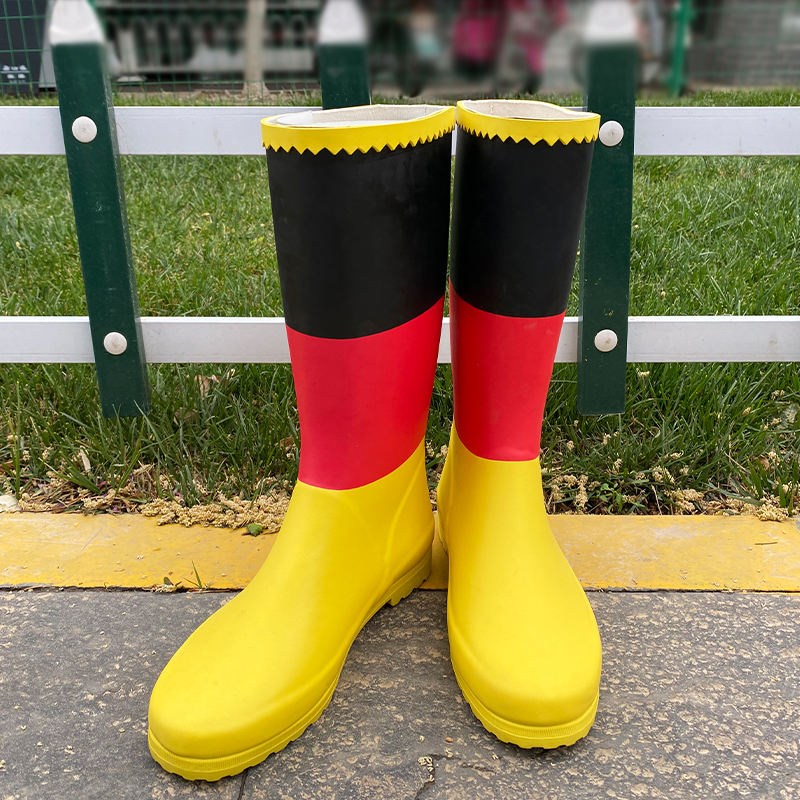
Which Boot Lets a Nation Wear Its Flag? The Custom Rubber Boots by Trenboo
-
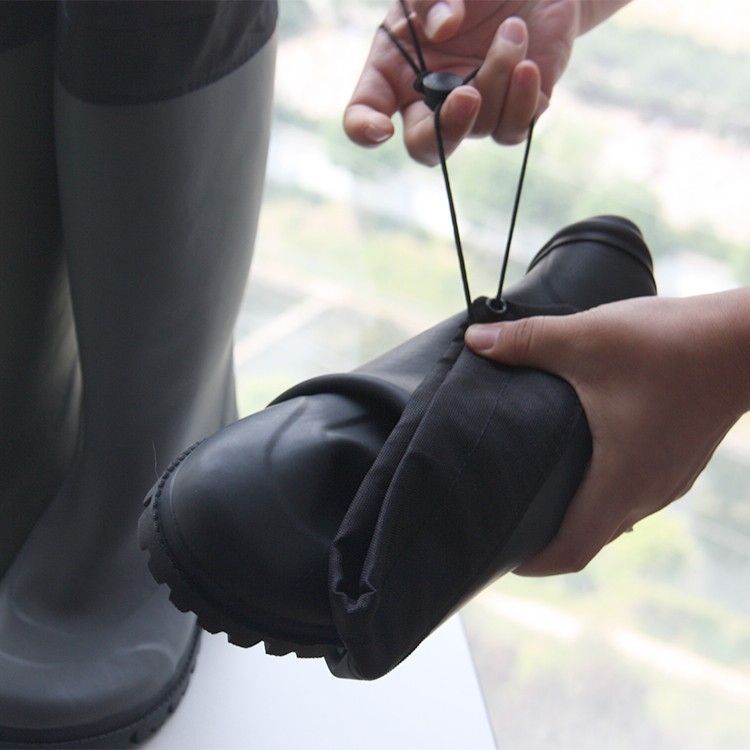
What Makes the New Foldable Rain Boots from Trenboo Truly All-Terrain Ready?
-
How to Make Rubber Boots with Neoprene Lining: Material, Process, and Benefits
-
How Does a Leading Rubber Boot Manufacturer Produce High-Quality Rubber Rain Boots?
5 Types of Insoles for Rubber Rain Boots: Which One Is the Best?
Rubber rain boots still rank as a favorite waterproof option for people working in farming, fishing, construction, or just walking on rainy days. These boots feature sturdy vulcanized natural rubber uppers and tough outsoles. They keep feet completely dry and hold up for years. However, the same solid rubber that blocks water also stops fresh air and natural cushion. To stay comfortable for hours and ease tired feet, makers and users turn to special insoles built just for rubber rain boots.
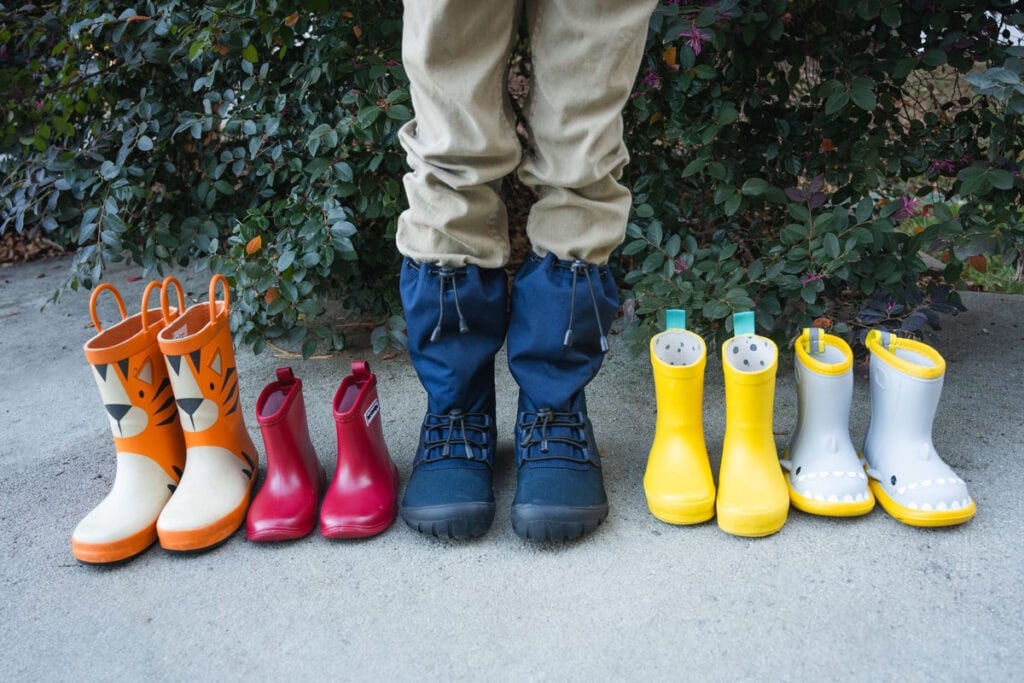
Five key insole types rule the market. Every kind offers its own benefits in support, impact protection, temperature control, and lasting power. Learning about them helps choose the perfect match for different tasks and weather. Watch our introduction video
1. Sponge Insoles – The Budget-Friendly Basic Layer
Sponge insoles remain the lowest-cost pick for rubber rain boots. Workers produce them from lightweight open-cell foam. The material feels gentle from the first step and allows a bit of air to pass through small pores. This helps a lot in mild or warmer areas where feet easily overheat inside plain rubber boots.
The main advantage comes from cheap materials and quick cutting. Factories slip them in without slowing down the line. They give fair comfort at the start. Still, after several months of daily stepping, the foam flattens and never bounces back. Most plants use sponge only in low-price rubber rain boot lines where keeping costs down matters more than long wear.
2. Flat EVA Insoles – Durable Workhorse for Everyday Use
Flat EVA (ethylene-vinyl acetate) insoles show up in almost every mid-range rubber rain boot. Their closed-cell build resists squashing far better than sponge while keeping weight low.
Water rolls right off them, and they dry in minutes, so cleaning stays simple. The smooth, even surface delivers reliable basic support without crowding the boot. Large rubber boot factories love flat EVA because it runs smoothly on high-speed machines and survives countless bends in damp conditions.
Air flow is limited compared to drilled versions. Even so, flat EVA keeps its place as the top choice for job-site and farm rubber rain boots that value toughness over extra comfort.
3. Molded EVA Insoles – Enhanced Fit and Ventilation
Molded EVA insoles raise the level by copying the natural foot curve. Makers heat and press them to create clear arch areas and deep heel pockets. This holds the foot firmly inside rubber rain boots.
Small holes placed on purpose across the top bring in much more fresh air. That solves the usual sweaty-foot trouble during long hours in rubber boots. The blend of shaped design and breathing holes makes molded EVA perfect for wet seasons that stay mild or medium-warm.
Fresh models now use recycled EVA that keeps full strength yet cuts waste. This matches the rising demand for earth-friendly rubber boot production.
4. PU Molded Insoles – Premium Shock Absorption and Resilience
Polyurethane (PU) molded insoles enter the high-performance zone for rubber rain boots. The injection method forms a dual-density setup. The front part stays soft and bendy. The rear section remains harder for steady control.
PU springs back nearly to full shape after every step. Cushioning feels fresh from morning until evening. Special Poron shock pads rest under the heel and ball-of-foot areas. They take away strong jolts that would otherwise shoot through the hard rubber sole.
Top-grade PU also moves moisture away better than standard EVA thanks to its open-cell makeup. People who spend eight to twelve hours on concrete or rough ground often choose PU molded insoles for safety rubber rain boots and tough work pairs.
5. Latex Memory Insoles – The All-Season Champion
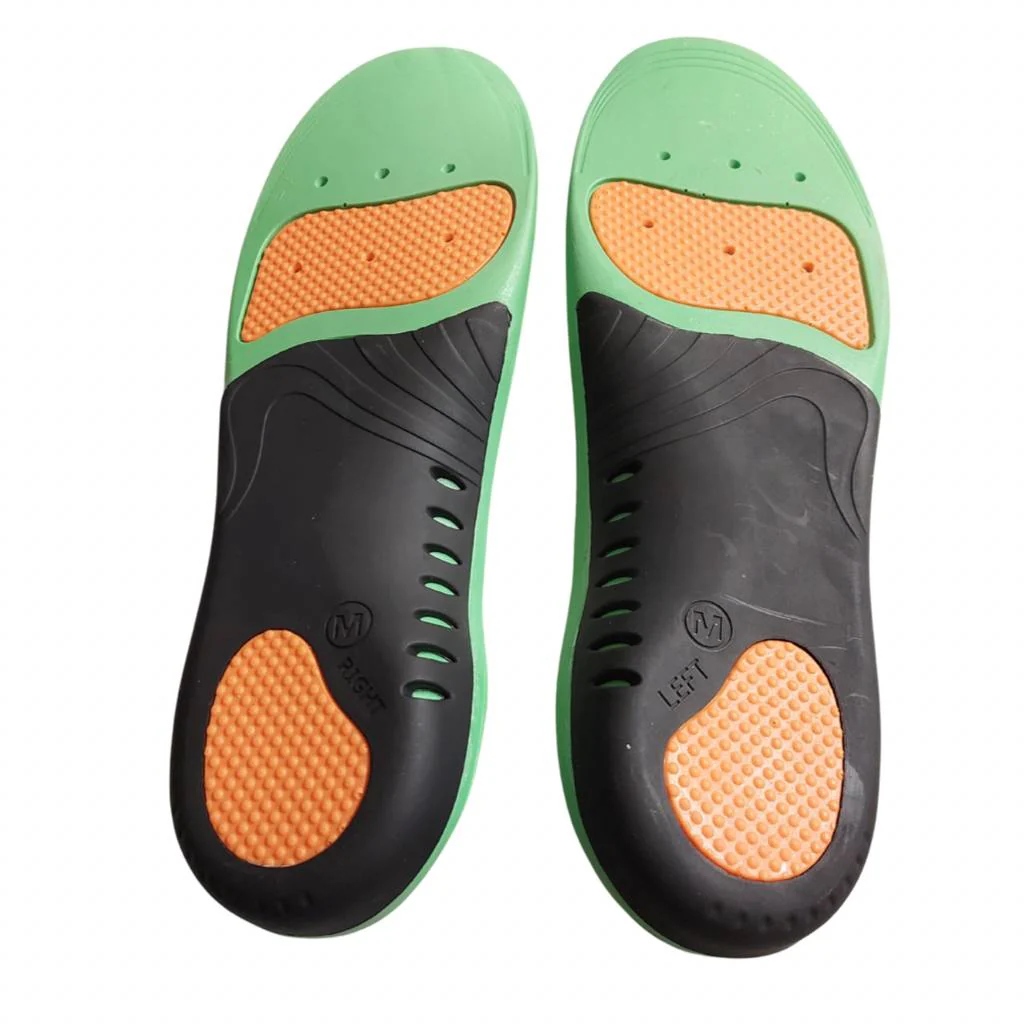
Latex memory insoles stand as the current king of rubber rain boot comfort. They start with natural latex foam that remembers shape. Warmth and weight make the foam fit each foot exactly, then it returns to normal when the foot lifts.
A thick insulating pad under the heel blocks cold from frozen ground. That turns latex memory into the best winter rubber rain boot option. Added Poron® cushioning and a firm plastic heel cup supply both plush softness and strong backing. This keeps feet properly lined up through long shifts.
Built-in antibacterial layers and moisture-moving top cloth boost cleanliness inside non-breathable rubber. Plenty of users call latex memory the true all-season winner. It blends warmth, shock relief, firm support, and long life in one smart package.
Choosing the Right Insole for Specific Rubber Rain Boot Applications
The ideal choice rests on wear time, weather conditions, and job demands. Sponge and flat EVA shine when large orders must stay cheap. Molded EVA hits a sweet spot for everyday rubber rain boots that need better fit and air movement. PU molded insoles step in when heavy shock protection and energy return count most. Latex memory insoles rule premium lines and cold-weather collections.
Modern vulcanized rubber boot factories supply all five options through flexible ODM/OEM programs. Brands can pair the exact insole with their target customers.
Frequently Asked Questions
Can the insole be removed and replaced in vulcanized rubber rain boots? Most vulcanized rubber rain boots have glued or direct-injected insoles that stay fixed forever. Removable ones are rare and usually need stitched or lasted construction, which shows up more in PVC rain boots than natural rubber. In true vulcanized boots, factories lock in the insole during building.
Which insole is best for extremely cold winters (−20 °C to −40 °C)? Latex memory insoles with thick rearfoot foam insulation and aluminum foil barriers beat everything else. PU molded insoles with extra wool or Thinsulate® layers run a close second.
Will PU insoles crack in freezing temperatures like some EVA does? High-quality injected PU in professional rubber boots stays flexible down to −30 °C or colder. Low-grade recycled PU might turn brittle. Always request cold-flex test reports (EN ISO 20344 5.13).
Can the same insole be used for both adults and children’s rubber rain boots? Yes, but thickness and firmness must change. Children’s models often take 3-4 mm molded EVA instead of 5-6 mm PU to keep the boot roomy enough.
What is the average lifespan of each insole type under daily 8-10 hour industrial use? ・ Sponge: 2-4 months ・ Flat EVA: 6-9 months ・ Molded EVA: 8-12 months ・ PU molded: 12-18 months ・ Latex memory: 18-24+ months
Do latex memory insoles cause allergic reactions? Pure natural latex foam carries proteins that affect roughly 1-2 % of people. Most professional makers now provide synthetic latex (SBR) memory versions that stay 100 % allergy-free yet perform the same.
Is it possible to add odor-control or antibacterial treatment to any insole? Yes. Silver-ion, zinc pyrithione, or copper-thread top covers can join all five types during production. Protection lasts 12-24 months depending on wash frequency.
Partner with Trenboo: Your Expert Vulcanized Rubber Boot Manufacturer for Custom Insole Solutions
Trenboo owns one of China’s most advanced vulcanized rubber boot factories. The plant turns out over 5 million pairs yearly with complete in-house teams for sponge, EVA, PU, and latex memory insoles. Holding ISO9001 certification and private testing labs, Trenboo guarantees top quality for brands around the world. Discover full ODM/OEM services plus custom insole matching at https://www.trenboot.com/odm-oem/. Contact the Trenboo team today to create next-generation rubber rain boots fitted with the ideal insole mix for your market.

 consult
 WHATSAPP
 leave message
 top
top