


Related news
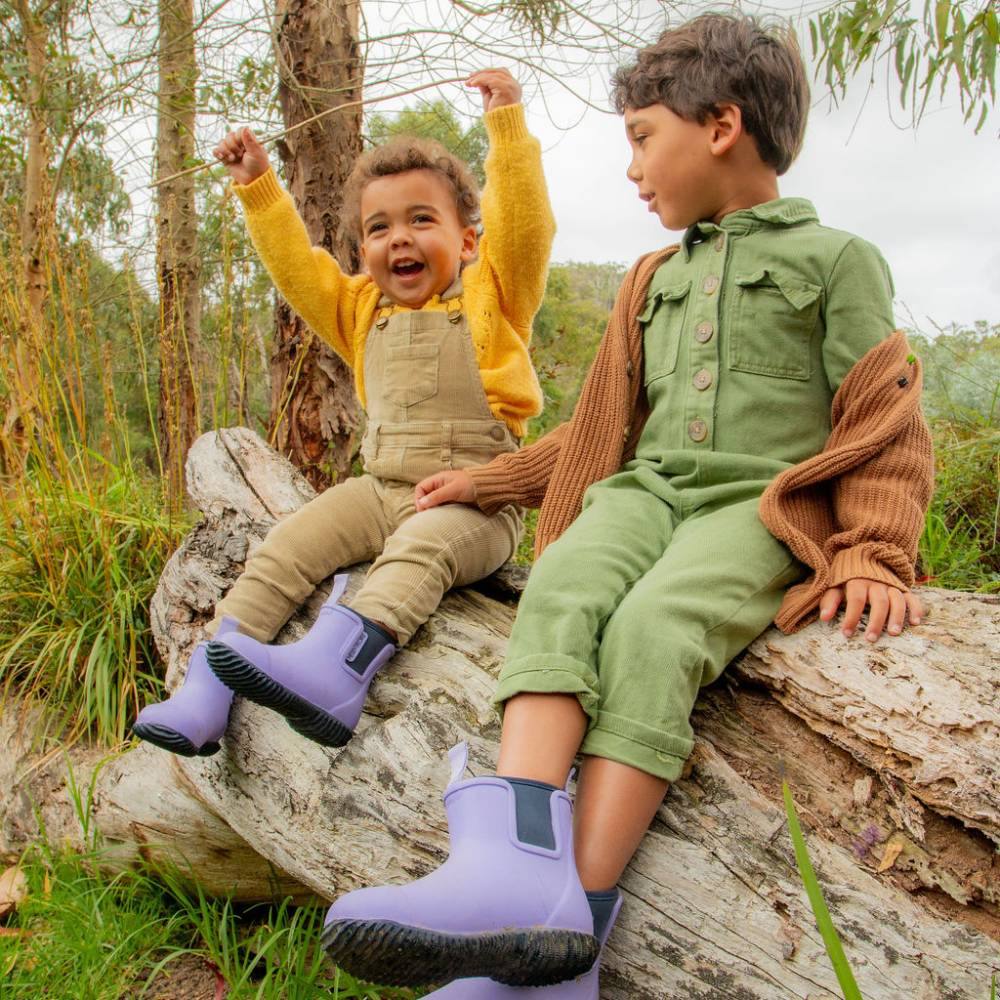
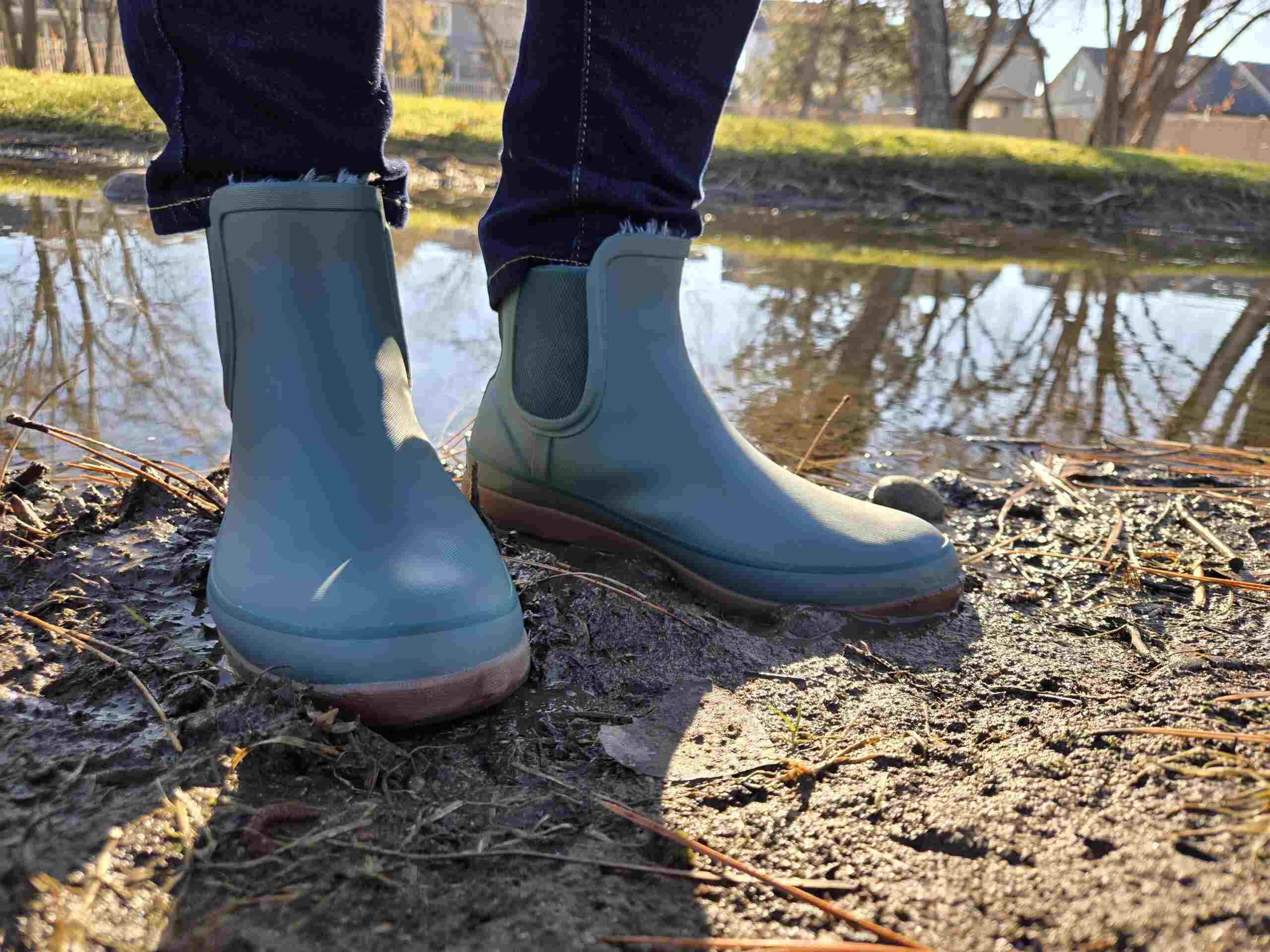
Advanced Injection Technologies for Rain Boot Manufacturing Solid, Foam, and Liquid Processes
Rain boot production depends a lot on injection technologies. These help make seamless waterproof builds, better performance, and lower costs. Manufacturers pick certain injection ways based on what the boots are for. This includes fashion rain boots, outdoor wellington boots, kids rain boots, or safety work rain boots. The main three injection technologies are solid material injection, foam injection, and liquid injection. Each one uses different materials and steps. They create special boot features. Click here to watch the video
Solid Material Injection for Durable Rain Boots
Solid material injection works with plastic mixes like PVC, TPR, TPE, and fake rubber blends. It heats them to a liquid form. Then, it pushes them under high pressure into boot molds.
Solid PVC Injection Rain Boots
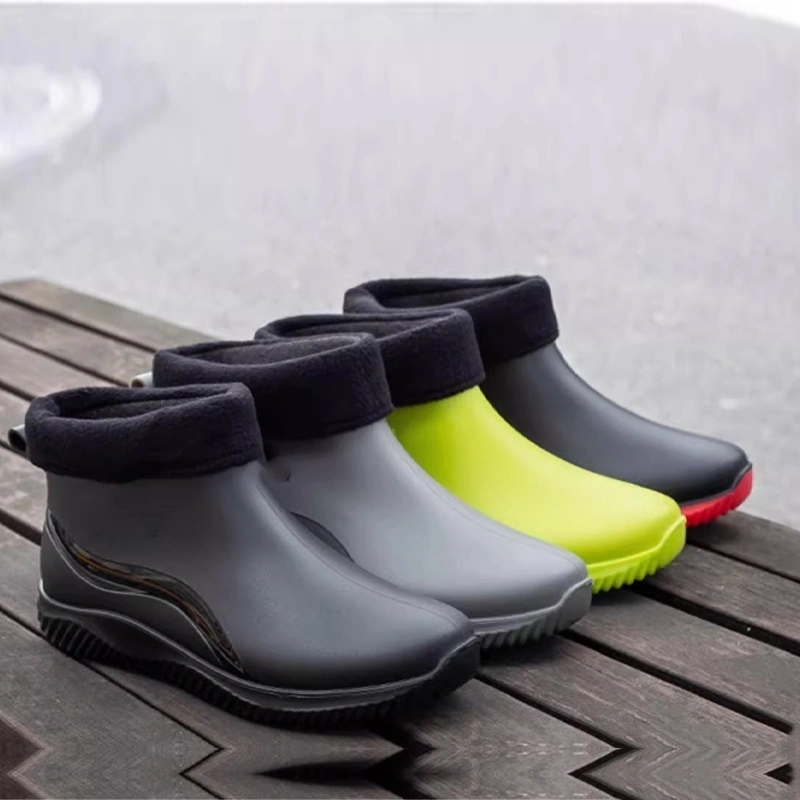
PVC stays a key part for cheap, large-run rain boot production. The steps heat PVC mixes to liquid. Then, they push it into one or many mold spots made for full boot forms. The PVC rain boots give good waterproofing. This comes from seamless one-piece builds. They also have strong wear resistance and steady work in wet, dirty spots. These boots do well in farm and work places. There, stab resistance and chemical splash guard count.
TPR and TPE Solid Injection Wellington Boots
Thermoplastic rubber (TPR) and thermoplastic elastomer (TPE) types give more bend than hard PVC. They keep the good points of solid injection. TPR rain boots offer better bend in cold weather. They avoid breaks. This makes them fit for changing weather. These materials allow clear mold feels for better hold on boot bottoms. That boosts grip in slick places.
Key Performance Benefits of Solid Injection Rain Boots
Solid injection rain boots focus on long life and tough use. They fight tears, keep form under load, and handle low heat well. But the thick build leads to more weight. This can affect long-wear ease in easy cases.
Foam Injection for Lightweight Rain Boots
Foam injection adds gas makers during the mold of materials like EVA (ethylene-vinyl acetate) or blown PVC. This makes a cell-like inner part. It cuts density a lot.
EVA Foam Injection Rain Boots
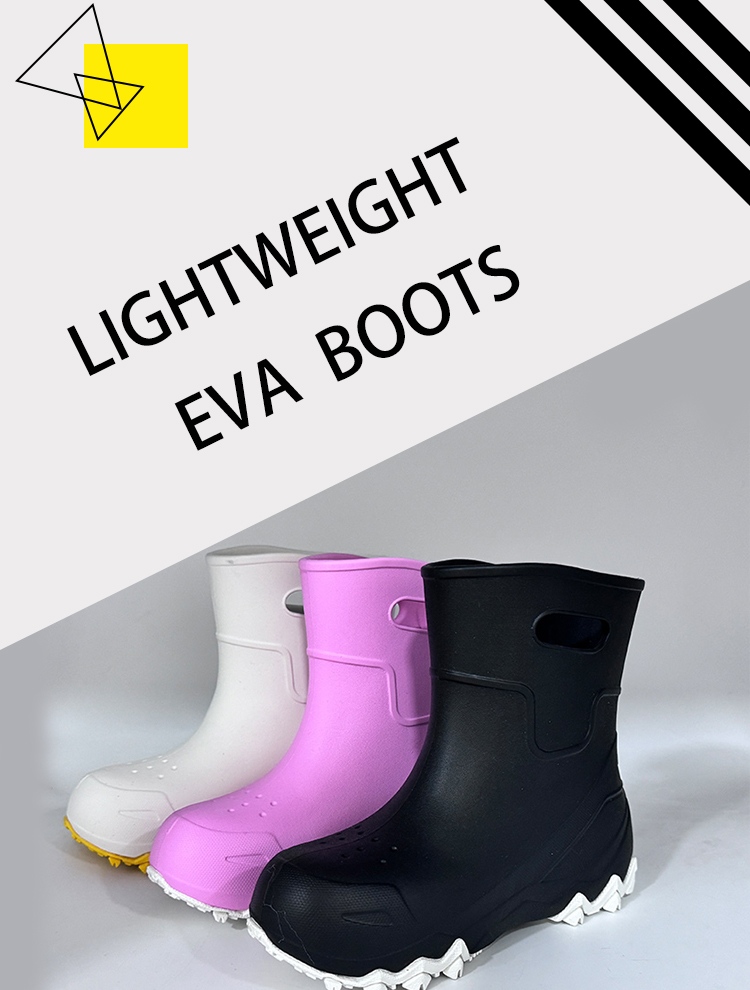
EVA foam injection makes very light rain boots. It uses set growth in the mold. The steps melt EVA bits, mix in gas makers, and push the mix to build grown forms. EVA rain boots give top padding, bend, and heat guard. They fit casual garden wellington boots or kids rain boots. There, less weight helps easy moves.
Blown PVC Foam Wellington Boots
Blown PVC types mix PVC’s waterproof side with foaming for some weight cut. These foam injection rain boots match cost and ease. But they stay weak to high heat over about 45°C. There, shrink or shape change risks grow.
Limitations and Ideal Applications for Foam Injection Rain Boots
Foam injection rain boots lose some wear resistance and long-term strength next to solid types. They work best in low-hit, dry-to-some-wet cases. This is not for rough work or hard outdoor jobs.
Liquid Injection for High-Performance Rain Boots
Liquid injection, mostly polyurethane (PU)-based, mixes liquid polyol and isocyanate parts. Water often acts as a gas maker. These react and grow inside the mold.
PU Liquid Injection Rain Boots
PU liquid injection makes chemical reactive foam. It sticks well to boot tops or builds full forms. PU rain boots give good slide resistance on wet spots, fair oil and chemical fit, and even bend. New mixes cut water-break risks in damp spots. This grows use life in hard places like fish work or chemical deal.
Hybrid Liquid-Solid Injection Wellington Boots
Some manufacturers join liquid PU middle or bottom parts with solid top parts. This sets best zones. Tough tops pair with padded, holdy bottoms. The way boosts full boot work over different lands.
Advantages and Considerations for Liquid Injection Rain Boots
Liquid injection rain boots offer strong no-slide traits and fair weight. They sit between foam light and solid strength. Making needs exact watch of reaction time and heat. This keeps steady quality and skips flaws.
Additional Considerations in Rain Boots Injection Technologies
Past the main three kinds, mixed ways and material new ideas boost rain boots work.
Multi-Color and Multi-Material Injection
New machines allow one, two, or three-color push. This lets pretty tops with tough bottoms or joined designs in one step. It raises looks for fashion rain boots. It keeps work zones.
Vulcanization vs. Pure Injection
Many rain boots use straight injection. Some add cured rubber for more strength. Curing (heat-fix with sulfur) differs from plastic injection. But it adds to it in mixed builds for better long life.
Material Selection Factors for Rain Boots
- Weight vs. Durability Trade-Off: Foam (EVA) prioritizes lightness; solid (PVC/TPR) emphasizes toughness.
- Environmental Impact: Some formulations incorporate recycled content or eco-friendly blowing agents.
- Compliance and Testing: Boots must meet standards like REACH for chemicals and EN ISO 20345 for safety features.
- Customization Potential: Injection allows easy adaptation of lasts, textures, linings (e.g., cotton, neoprene), and outsoles for specific needs.
Applications Across Rain Boot Categories
Fashion Rain Boots
Prioritize style with solid or foam injection for vibrant colors and lightweight comfort.
Outdoor and Garden Rain Boots
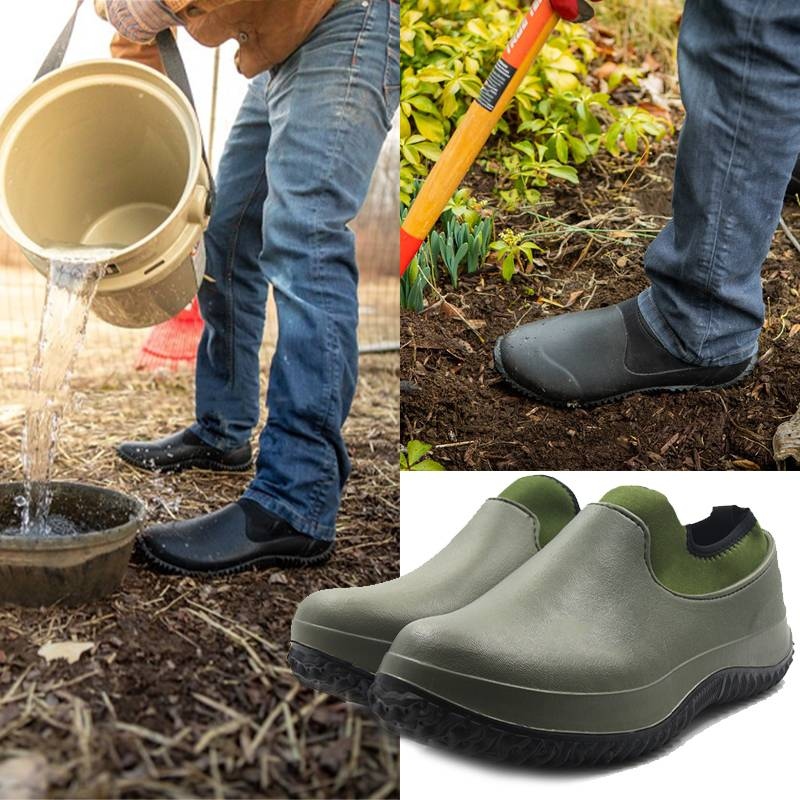
Favor durable solid or liquid injection for abrasion resistance and grip in muddy conditions.
Kids Rain Boots
Often use lightweight foam or solid materials with fun prints, ensuring ease of wear and removal.
Safety and Work Rain Boots
Emphasize chemical resistance and anti-slip via liquid PU or solid PVC, with reinforced features.
Ready to Partner with a Trusted Rain Boot Manufacturer?
Trenboo excels in premium rain boot manufacturing, offering specialized capabilities in vulcanized rubber wellington boots alongside customizable options that complement diverse injection approaches for fashion, outdoor, kids, and safety rain boots.
In conclusion, solid material injection suits heavy-duty durable rain boots, foam injection prioritizes lightweight comfort in casual rain boots, and liquid injection delivers specialized performance in demanding wellington boot applications. Selecting the optimal technology depends on end-use requirements, balancing weight, durability, grip, and cost.
Businesses seeking high-quality OEM/ODM production of custom rain boots—with expert material selection, advanced molding techniques, and reliable global delivery—should explore partnership opportunities with Trenboo. Get in touch with our team to learn more about our factory capabilities, full product range, and flexible customization services. We’re ready to discuss your specific requirements and provide tailored wellington boot solutions for your market.
FAQ
What is the main difference between PVC and TPR in rain boot manufacturing?
PVC offers lower cost and strong chemical resistance, while TPR provides superior flexibility, cold-weather performance, and elasticity.
Which injection technology produces the lightest rain boots?
Foam injection with EVA creates the lightest rain boots thanks to its cellular structure, ideal for casual and kids categories.
Are PU rain boots better than PVC for slip resistance?
Yes, liquid injection PU typically delivers better grip on wet surfaces and stronger oil/chemical resistance than solid PVC.
Why do some rain boots deform in high temperatures?
Foam injection rain boots (EVA or blown PVC) can shrink above 45°C due to heat-sensitive cellular structure; solid PVC and advanced PU resist heat better.
Which material is most durable for heavy-duty rain boots?
Solid injection with PVC or synthetic rubber blends provides the highest abrasion resistance and puncture protection for rugged use.
How does EVA compare to PU in rain boot comfort?
EVA is lighter with excellent cushioning and flexibility; PU offers balanced shock absorption, grip, and moderate weight for work/outdoor needs.

 consult
 WHATSAPP
 leave message
 top
top