



Related news
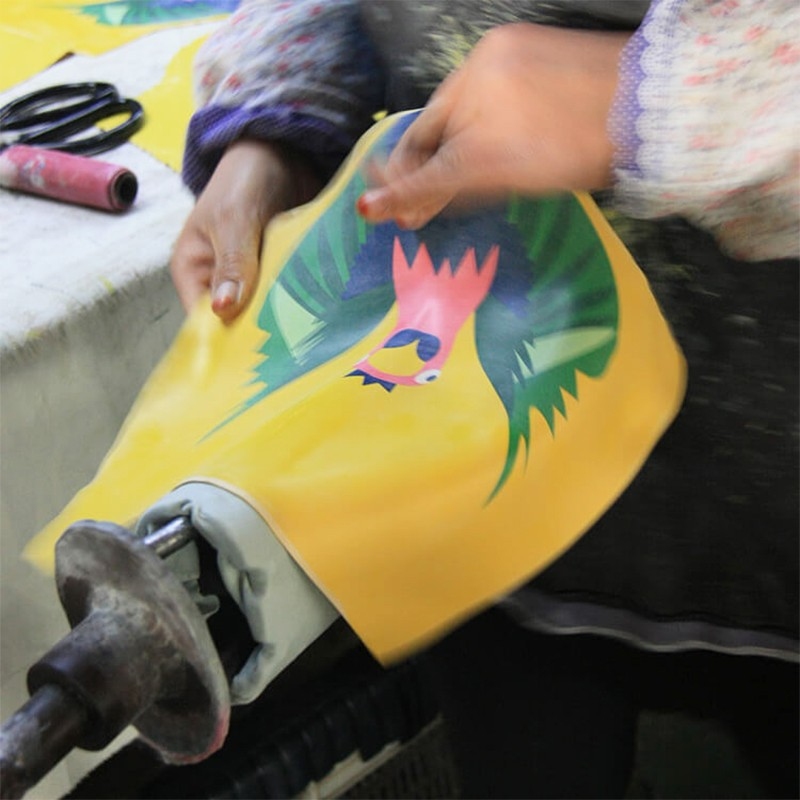
Learn the Linings! Wellington Boot Linings Explained
Wellington boots, often called rubber Wellington boots, mud Wellington boots, or knee-high Wellington boots, depend a lot on specially chosen inner linings. These linings provide important comfort, warmth control, moisture handling, and lasting strength in wet, muddy, or tough weather.
The type of lining greatly affects how well vulcanized rubber Wellington boots work during long outdoor time, farm work, garden jobs, or normal rain use. In real manufacturing, linings need to blend smoothly into the vulcanization step. They must keep their shape and strength for a long time. Also, they allow plenty of changes to fit different market needs.
This guide looks at the most popular Wellington boot lining materials. It covers their main features, real benefits, downsides, and important points for branded making and wholesale supply. Click here to watch the video.
Summary of Key Wellington Boot Linings
The table below sums up the main lining types often seen in current Wellington boot styles:
-
Neoprene — Great insulation and waterproof ability; favored for cold-weather mud Wellington boots.
-
Cotton and Cotton Blends — Very good airflow and natural touch; commonly found in fashion rain Wellington boots and kids’ versions.
-
Polyester — Strong lasting quality and fast-dry ability; useful for all-season rubber Wellington boots.
-
Polar Fleece — Light warmth keeping; perfect for insulated winter Wellington boots.
-
Fur and Wool Blends — Top warmth level for very harsh conditions; aimed at high-end cold-weather gumboots.
-
Air Mesh — Better air flow; good for summer or active lightweight Wellington boots.
-
Breathable Membranes — Modern waterproof-breathable tech; used in top hybrid Wellington boot builds.
These choices let makers adjust rubber Wellington boots for certain uses. They work from serious farming and building to casual fashion and kids’ outdoor fun.
Neoprene Linings in Wellington Boots
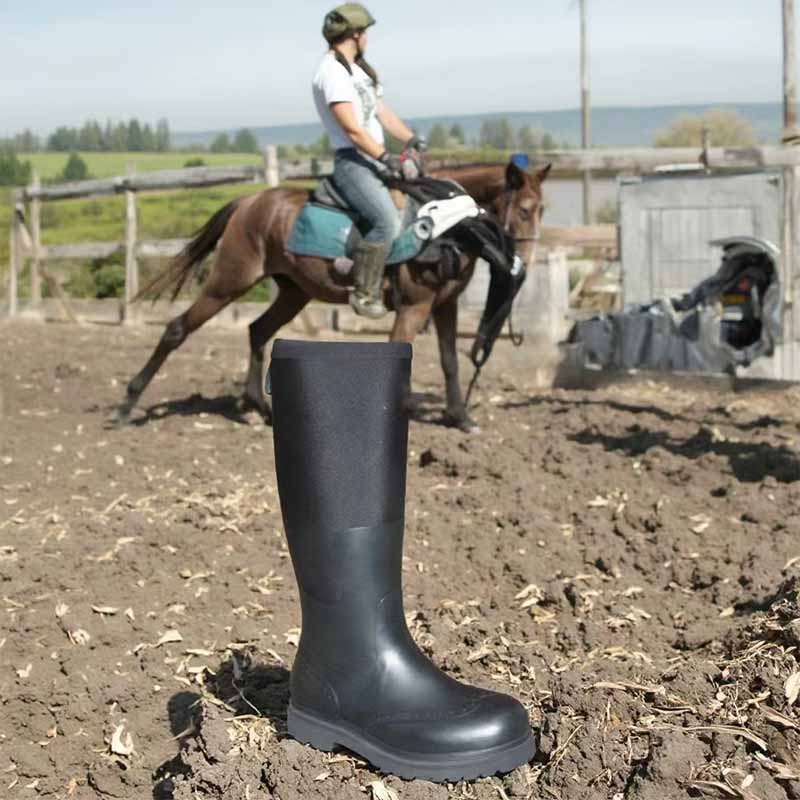
Neoprene stays a very trusted pick for warmth and waterproof needs in hard situations.
Core Advantages
-
It holds body heat well. A 3 mm thickness usually works down to -15 °C. The 5 mm kind gives protection to -25 °C.
-
It gives strong stretch and returns to shape nicely. This makes a snug yet easy fit in knee-high Wellington boots.
-
It stays fully waterproof. It resists rubbing, oils, and long outside wear very well.
-
It keeps bendy and performs even after lots of bending in muddy spots.
Typical Applications
Common in mid-calf and full knee-high mud Wellington boots made for farming, plant growing, building, and heavy outside work.
Manufacturing Integration
It fits perfectly with vulcanized rubber methods. Thickness and mix can change for certain weather areas or user needs.
Potential Drawbacks
It breathes less in hot weather. Often it gets paired with air paths or mesh parts in designs for many seasons.
Cotton and Cotton-Blended Linings for Wellington Boots
Cotton linings focus on real comfort and daily ease.
Core Advantages
-
They pull away sweat and soak up wetness well. This cuts down sticky feeling inside rain Wellington boots.
-
They give a fresh, gentle feel on skin. This suits spring, summer, and mild days.
-
Organic cotton kinds meet the rising call for green fashion Wellington boots.
Typical Applications
Common in short ankle Wellington boots, women’s nice rain Wellington boots, and kids’ light rubber boots.
Manufacturing Integration
They often mix with recycled polyester (RPET) for extra toughness and green points. This helps GRS-certified green lines.
Potential Drawbacks
They give little warmth. They fit best in warmer times or with thicker socks in changing weather.
Polyester Linings in Rubber Wellington Boots
Polyester brings steady man-made results in different settings.
Core Advantages
-
It stands up well to rubbing, pulling, and losing shape over long use.
-
It dries quickly. This keeps wetness low during long wet times.
-
It holds strong through many bend cycles common in everyday Wellington boots.
Typical Applications
Regular pick for foldable travel Wellington boots, bendy all-season kinds, and multi-use outdoor rubber boots.
Manufacturing Integration
Mixed cotton-polyester kinds exist. Recycled polyester choices match green rules.
Potential Drawbacks
It feels a bit less natural than cotton. Soft finishes can make it seem nicer.
Polar Fleece Linings for Insulated Wellington Boots
Polar fleece gives good warmth without too much weight.
Core Advantages
-
It traps air very well. This creates strong warmth for its light weight.
-
The soft, thick feel stays nice and washes fully in machines.
-
It dyes easily to fit brand colors in custom Wellington boot ranges.
Typical Applications
Widely seen in winter-insulated Wellington boots, kids’ cold-weather rubber boots, and tall outdoor styles.
Manufacturing Integration
Different pile heights let exact warmth adjustment. It blends well in layered builds.
Potential Drawbacks
Surface balls may form with strong rubbing unless top-grade fleece is picked.
Fur and Wool Blend Linings in Premium Wellington Boots
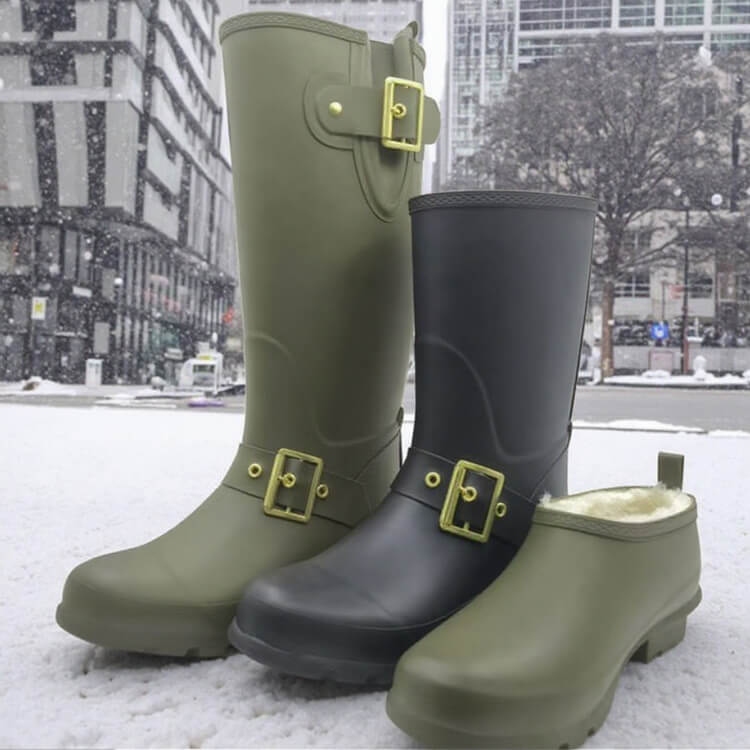
Fake fur and wool mixes offer high-level cold protection.
Core Advantages
-
They keep heat very well in below-zero and snowy times.
-
They mix soft feel with fair strength and cost control via blend amounts.
-
Green fake fur options help careful eco production.
Typical Applications
Aimed at high-end cold-weather gumboots and special work Wellington boots.
Manufacturing Integration
Water blocks and lining thickness can get tuned in the design step.
Potential Drawbacks
Raw material cost rises with real wool. It needs good wetness handling.
Air Mesh Linings for Breathable Wellington Boots
Air mesh focuses on air flow to fight inside heat and dampness.
Core Advantages
-
Steady air movement cuts sweat in hotter places.
-
It can join with neoprene for warmth plus air flow.
-
Light build makes the whole boot more bendy.
Typical Applications
Great for summer fashion Wellington boots, active outdoor kinds, and warmer areas.
Manufacturing Integration
Often paired with hole-punched rubber tops to boost air flow.
Potential Drawbacks
Little warmth keeping. Limited to mild or warm places.
Advanced and Specialty Linings for Modern Wellington Boots
New materials keep opening better performance options.
Temperature-Adaptive Linings
Phase-change fabrics or smart fibers that change with body heat.
Breathable Waterproof Membranes
Built-in parts that give full waterproofing plus high vapor pass in some hybrid styles.
Eco-Performance Enhancements
Light mixes, recycled rubber, and certified green fabrics meet today’s rules and brand green goals.
Manufacturing Integration
Needs exact molding and joining methods. It lifts status for premium rubber Wellington boot ranges.
Strategic Considerations for Wellington Boot Lining Selection
Climate and End-Use Alignment
Fit linings to local weather and planned uses—neoprene for tough wet-cold, cotton/polyester for fashion rain Wellington boots.
Customization and Branding Opportunities
ODM/OEM methods allow special thicknesses, material mixes, recycled amounts, logo stitching, and pattern adds.
Durability and Compliance Testing
Focus on rub resistance, bend lasting, water pressure checks, and following REACH, EU rules, and work safety needs.
Sustainability Integration
Add GRS/FSC-certified stuff and recycled parts to meet current green hopes.
Trenboo
Trenboo operates as a dedicated Wellington boot manufacturer and vulcanized rubber boot factory, delivering QUAD-GUARANTEED excellence across quality (rigorous multi-stage inspections and 100% leak-proof assurance), environment (GRS/FSC recycled materials and responsible sourcing), technology (advanced lightweight compounds and precise molding), and service (reliable on-time delivery with comprehensive after-sales support). With over 60 years of specialized experience, substantial monthly production capacity, ISO9001 and BSCI certifications, and end-to-end ODM/OEM expertise, Trenboo enables partners to create durable, comfortable, market-ready rubber Wellington boots tailored to exact specifications.
FAQ
Which linings are most commonly used in Wellington boots?
Neoprene, cotton/polyester blends, polar fleece, and air mesh stand out as main choices. Each one fits certain comfort and weather needs.
How do neoprene and polar fleece compare for insulation in Wellington boots?
Neoprene does great at waterproof heat holding in wet settings. Polar fleece gives light, thick warmth that suits drier cold better.
Can linings be fully customized for different Wellington boot markets?
Yes—choices cover thickness changes, material mixes, recycled amounts, and branding parts. They serve fashion rain Wellington boots, work mud boots, kids’ styles, or outdoor ranges.
How do linings contribute to the overall durability of rubber Wellington boots?
Good linings boost rub resistance, wetness control, shape holding, and build strength. They clearly make the product last longer.
Are sustainable lining materials available for Wellington boot production?
Recycled polyester, organic cotton, GRS-certified fabrics, and recycled rubber parts allow green making without losing quality.
Partner with Trenboo for Premium Wellington Boot Manufacturing
Trenboo stands ready as a trusted vulcanized rubber boot factory and Wellington boot manufacturer. It offers QUAD-GUARANTEED solutions in quality, environment, technology, and service to partners around the world. With decades of special know-how, modern production setup, large output ability, tight quality checks, and full ODM/OEM custom work—including varied lining picks, design growth, green material use, and complete branding help—Trenboo aids brands and suppliers to bring strong, high-performing rubber Wellington boots to market smoothly and dependably. Contact the team to look at working together, ask for samples, or talk about wholesale and custom making fitted to certain business wants.

 consult
 WHATSAPP
 leave message
 top
top