


Natural Rubber vs. Synthetic Rubber Rain Boots: Key Differences You Need to Know
Rain boots serve as must-have protective shoes in many areas—from farming and building sites to chemical plants, outdoor jobs, and factory safety work. The big difference in materials—natural rubber compared to various synthetic choices—controls main traits: stretchiness, fight against chemicals and wear, heat handling, weight, and cost value. As a specialized vulcanized rubber boot manufacturer and supplier, Trenboo offers top natural rubber mixes along with smart synthetic blends. This helps partners with custom, rule-following, and strong-performing options.
Natural Rubber Rain Boots
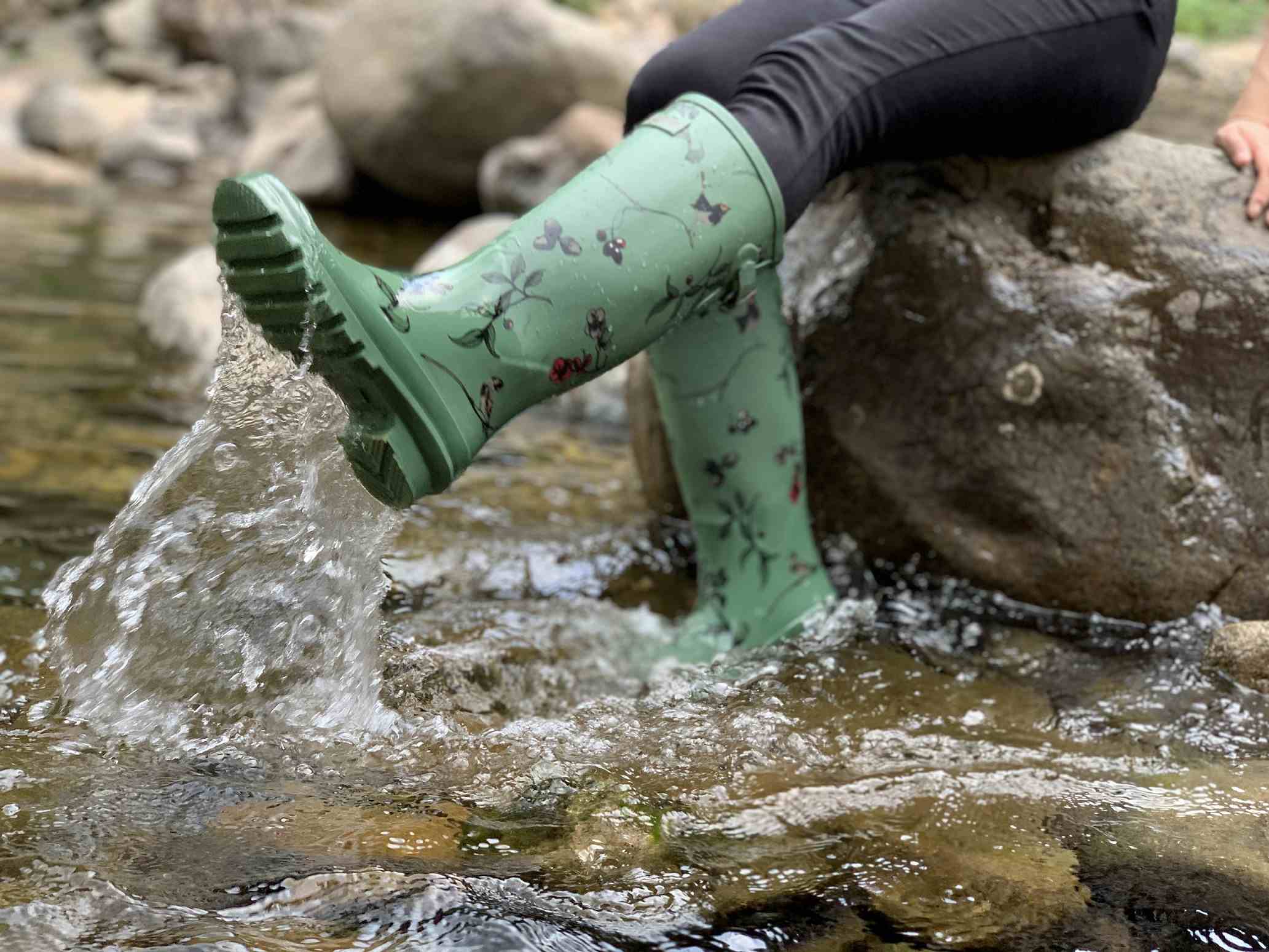
Natural rubber comes from the latex of Hevea brasiliensis trees. Vulcanization makes it stronger. Natural rubber rain boots still sets the high mark for top-quality protective footwear.
Advantages of Natural Rubber Rain Boots
Vulcanized natural rubber shows great lasting power. It has strong tear resistance, excellent stretch, and very good wear tolerance. Over time, the material molds to the shape of the foot. Natural rubber rain boots ease tiredness and pressure during long work hours.
Temperature Performance and Year-Round Suitability
The mix stays bendy even in freezing cold. It works well in mild heat too. This wide temperature range makes natural rubber Wellington boots a great fit for seasonal farm tasks, forest work, and changing factory conditions.
Maintenance Requirements for Longevity
Regular use of gentle cleaners and rubber care products, plus keeping natural rubber rain boots away from long sun and ozone exposure, stops surface cracks well. Storing them in shade greatly stretches their use over many seasons.
Cost and Sustainability Considerations
Raw material costs more, and the making process takes extra work. This leads to higher prices of natural rubber rain boots. The much longer life makes up for it. When sourced in a responsible way, natural rubber fits into green supply plans that focus on renewable materials.
Synthetic Alternatives in Rain Boots
Synthetic materials come from oil-based or advanced plastic processes. They give custom options that meet certain factory needs. They often bring lower costs, specific protections, and less care.
Polyvinyl Chloride (PVC) as a Core Synthetic Choice
PVC stays one of the most common plastics in rain boot making. Fast injection molding creates light, fully waterproof builds.
Performance Profile of PVC Rain Boots
PVC gives strong resistance to acids, oils, and many solvents. It pairs with cheap production. PVC rain boot fits short wet jobs, basic farm support, or low-budget buys where great bendiness matters less.
Practical Limitations
Very cold weather can make PVC brittle. Long sun exposure may speed up hardening. This sets it apart from tougher plastic groups.
Advanced Polymer Options: Polyurethane (PU) and Ethylene-Vinyl Acetate (EVA)
Mid- to high-level synthetics like PU and EVA mix low cost with better user traits.
Performance Benefits of PU Rain Boots
PU vs PVC rain boots for work comparisons always point out PU’s lighter feel, better bend in cold, and stronger shock cushion. These traits make PU a solid choice for mid-level safety shoes and longer farm use.
Advantages of EVA Rain Boots Durability
EVA rain boots advantages durability come from very low weight, one-piece seamless molding for sure waterproofing, and built-in padding. EVA rain boots work great for light to medium tasks and casual use. Still, EVA shows less puncture and wear resistance under heavy stress.
Specialized Synthetic Rubbers for Demanding Environments
Mixes like nitrile, neoprene, and various blends aim at special performance needs.
Nitrile Synthetic Rubber Boots Chemical Resistance
Nitrile synthetic rubber boots chemical resistance stands out against oil products, fuels, and harsh solvents. Paired with solid lasting power and comfort, nitrile fits chemical handling, factory work, and high-exposure farm jobs.
Neoprene-Lined Wellington Boots Insulation
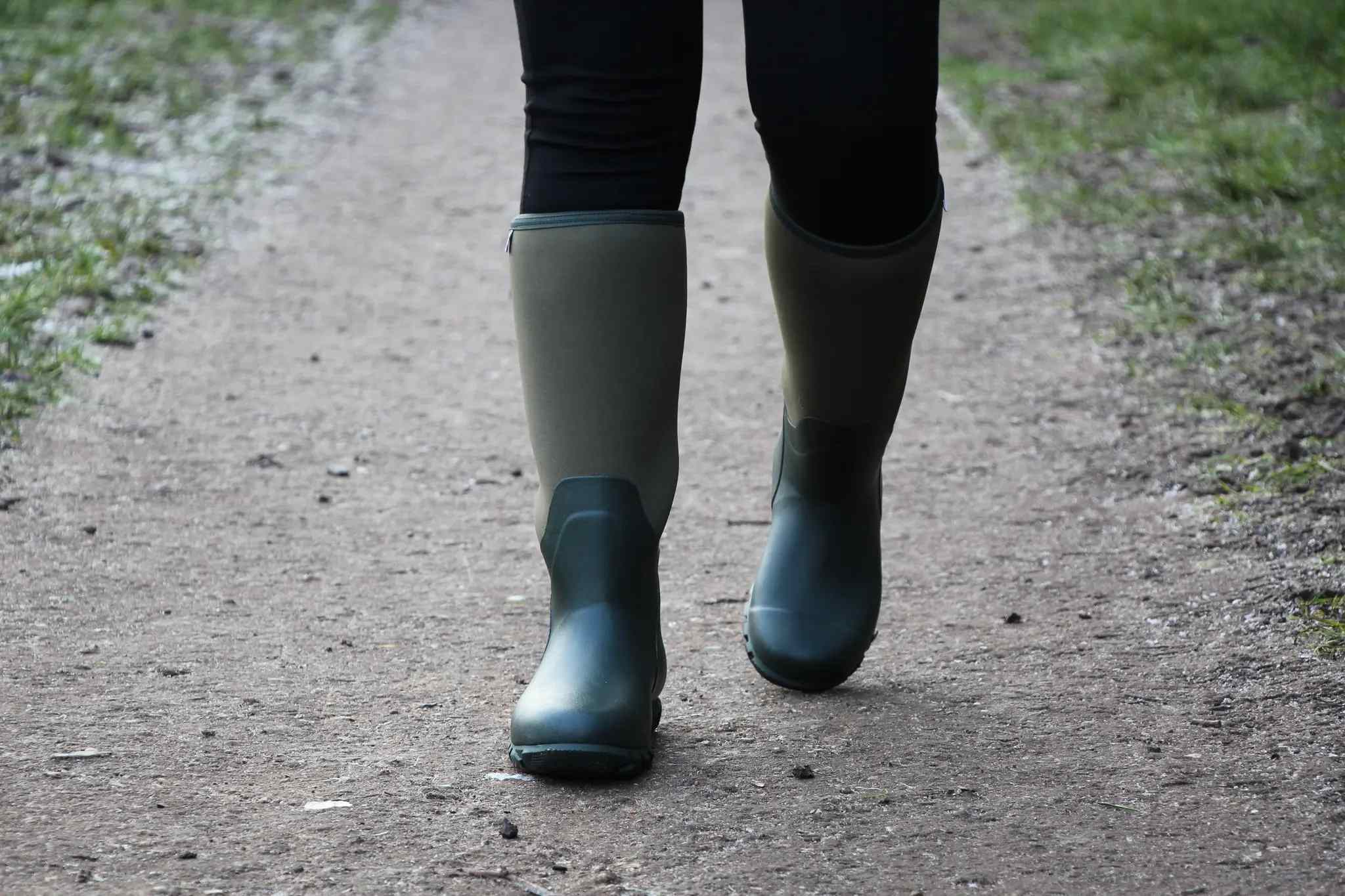
Neoprene lined Wellington boots insulation does great at holding warmth. They often show up in mixed builds with strong rubber soles. This setup supports freezing factory tasks, cold storage, or outdoor work that needs steady warmth.
Hybrid Blends and Thermoplastic Elastomers
Many current designs mix synthetic tops with natural rubber bottoms for better grip and oil fight. Thermoplastic elastomers (TPE/TPU) allow recyclable, very bendy options. They balance green goals with useful work.
How to Distinguish Natural Rubber from PVC Boots
Correct material check stops wrong picks and makes sure buys fit real needs.
Manufacturing Process Differences
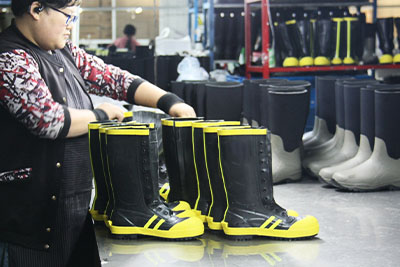
Natural rubber uses hands-on seamless vulcanization. This creates an even, one-piece structure with full waterproofing. PVC mostly uses faster injection molding or sometimes glued joins. This can show seams in the middle of some builds.
Visual, Tactile, and Functional Indicators
Natural rubber feels soft and bounces back fast when bent. PVC often feels stiffer and may show seam lines. Controlled tests in different conditions or bend checks show more differences in bounce and recovery.
Long-Term Reliability Comparison
Seam weak spots in some PVC types can hurt waterproof life compared to the naturally seamless vulcanized rubber.
Additional Factors in Material Selection for B2B Procurement
Beyond material types, business buyers look at real work needs, rule demands, and money trade-offs.
Environmental Impact and Regulatory Compliance
Natural rubber brings renewable potential (with certified sources). Synthetics now add recycled content or recyclable TPE mixes more often. Following REACH, RoHS, and new green rules stays very important.
Customization and Compound Optimization
Mix ratios (e.g., some natural rubber added) allow fine-tuning of cost, bendiness, and resistance. Advanced vulcanization methods improve sole grip, insulation thickness, and overall body comfort.
Industry-Specific Performance Metrics
Farm buys often focus on chemical-resistant nitrile or SBR. Safety lines need slip-resistant soles and hit protection. Heavy factory work leans toward wear-tolerant PU or natural rubber.
Weight, Ergonomics, and Mobility Comparison
Natural rubber weighs more but molds to feet like no other. Lighter PU and EVA types improve movement and cut tiredness in high-volume or long-wear jobs.
Key Takeaways
Material choice fits best with work strength, exposure types, budget limits, and rule needs.
-
Natural rubber brings unmatched stretch, foot-adapting comfort, and wide temperature work for tough year-round jobs. Higher start cost and care needs balance this.
-
Synthetic groups—from cheap PVC, light and tough PU and EVA, chemical-strong nitrile, heat-holding neoprene, to mixed new ideas—give special protections, making ease, and targeted work for hard jobs, budget cases, or special factory needs.
Careful picks improve shoe trust, worker safety, rule match, and long supply value.
Frequently Asked Questions
Are synthetic rain boots limited to PVC?
No—synthetic rain boots cover PVC for low cost, PU and EVA for light toughness, nitrile for top chemical guard, neoprene for warmth, and various mixes for balanced traits.
In what scenarios do nitrile synthetic rubber boots excel?
Nitrile synthetic rubber boots chemical resistance gives strong protection against oils, fuels, and solvents. This makes them best for factory work, hazard handling, and exposed farm tasks.
How do PU rain boots compare against PVC in professional applications?
PU vs PVC rain boots for work show PU with lighter build, better bend, and stronger cold performance. PVC focuses on low cost and wide chemical resistance.
When are EVA rain boots a suitable professional choice?
EVA rain boots advantages durability include very low weight, seamless waterproofing, and padding for light-to-medium tasks. They fall short in heavy wear or puncture-heavy spots.
What value does neoprene add to rain boot designs?
Neoprene lined Wellington boots insulation ensures reliable warmth hold in freezing conditions. They often pair with rubber parts for combined heat, grip, and lasting power.
Partner with Trenboo for Premium Rubber Boot Solutions
As a dedicated manufacturer, supplier, and factory specializing in vulcanized rubber boots—including high-natural-content compounds, advanced synthetic families (PU, EVA, nitrile, neoprene, PVC blends), and custom hybrid developments—Trenboo upholds quadruple-guaranteed quality, environmentally compliant materials, forward-thinking design, and dependable worldwide service for collaborators. Featuring state-of-the-art production capabilities, full OEM/ODM flexibility, REACH compliance, and deep expertise across durable wellies for fashion, outdoor, safety, and industrial sectors, Trenboo empowers partners to deliver exceptional footwear performance. Reach out today to discuss volume requirements, innovative material configurations, custom engineering, or facility assessments for streamlined, high-value rain boot production.

 consult
 WHATSAPP
 leave message
 top
top