





Related news
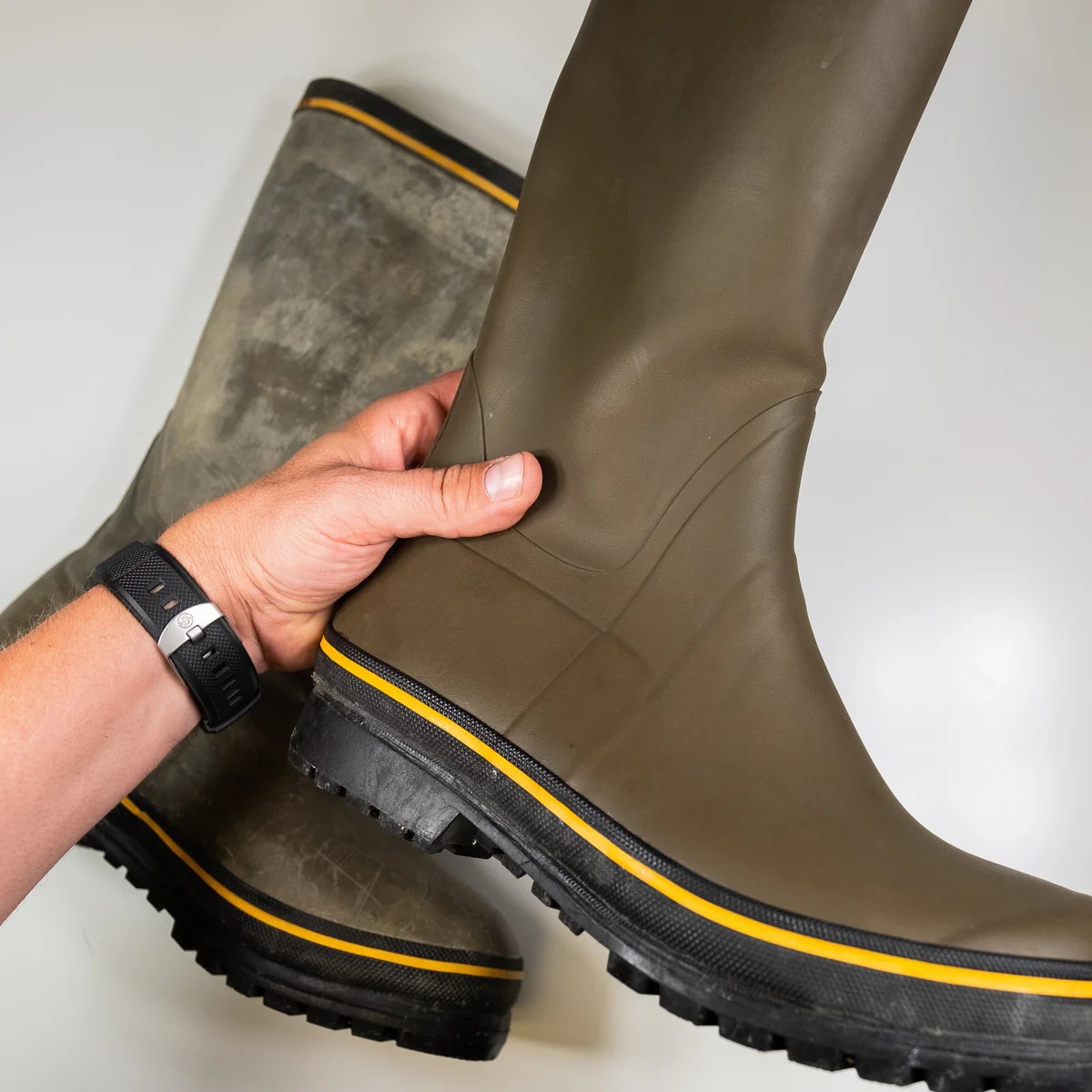
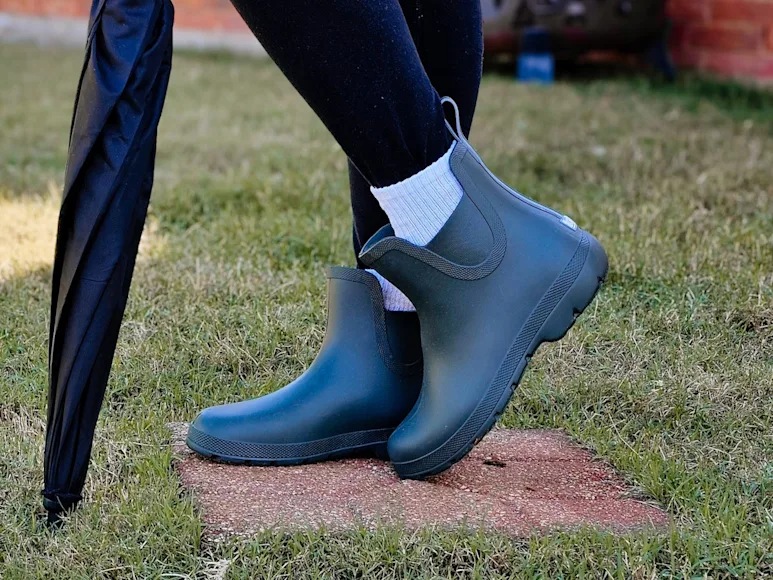
The Best Of Both Worlds: Western Work Boots And Comfort
Western work boots have always served as a sign of toughness, usefulness, and flexibility in tough job settings. They come from old Western job traditions. These boots have grown well past their starting point. Now they match the needs of today’s industries. At present, Western work boots made with modern rubber materials blend the classic Western boot shape with up-to-date safety, comfort, and strength levels. This change has turned rubber Western work boots into a key group for farming, building, power services, and factory work around the world. In this field of work footwear, Trenboo acts as a focused manufacturer, supplier, and factory that centers on rubber work boots and industrial safety footwear. Watch the rubber cowboy boot video demo here
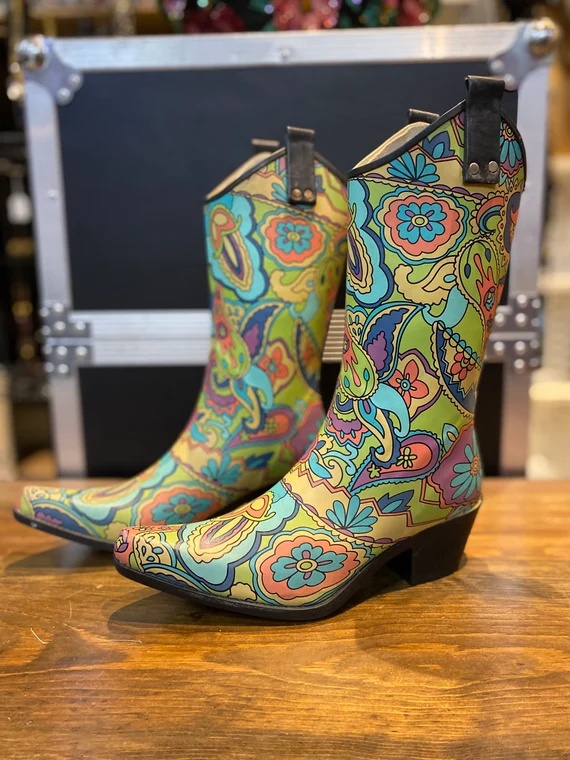
What Are Western Work Boots?
Western work boots are strong professional shoes. They mix Western boot outlines with practical design parts needed for factory and outside jobs. They differ from fancy or casual shoes. Modern Western work boots are built to give protection, steady support, and lasting performance on the job.
In rubber-based Western work boots, the build stresses full waterproofing, good grip on slippery spots, strong impact defense, and simple cleaning. Workers often wear these boots where they face water, mud, oils, chemicals, or rough ground. The Western-style tall shaft and heel stay the same. But the goal is purely practical, not for looks.
History Of Western Work Boots
Western work boots began in the 1800s. Ranchers and field hands needed shoes that could deal with rough land and many hours of work. The first styles put weight on steady footing, keeping out trash, and long life. Later, as factory settings grew bigger, fresh safety issues came up. This led to shifts in materials and ways of making them.
Adding rubber as the main boot material was a big step forward. Rubber making allowed complete waterproof builds. It also brought better defense against chemicals and wear, plus steadier quality in big amounts. From the middle to late 1900s, rubber Western work boots saw wide use in farming, city services, and factory upkeep areas.
Today, Western work boots show a mix of old-school shape and factory-level design. They back strong results and big rollout needs.
Benefits Of Western Work Boots
Western work boots made with rubber give several plus points that fit professional and business needs.
Safety
Rubber Western work boots usually include strong toe guards, grippy outsoles, puncture-proof middle layers, and electric hazard shields. The molded build offers steady shock take-up. It also lowers the chance of breaking under heavy load.
Comfort
Comfort comes from well-shaped inside parts, heel cushions that soak up jolts, and bendy rubber mixes. These let the foot move naturally. Such traits cut down tiredness in long work hours and repeated actions.
Environmental Adaptability
Rubber build lets Western work boots handle wet, muddy, oily, and dirty places without trouble. No-seam waterproof layers and surfaces that clean fast boost cleanliness and cut time lost from worn-out shoes.
What Makes A Good Western Boot?
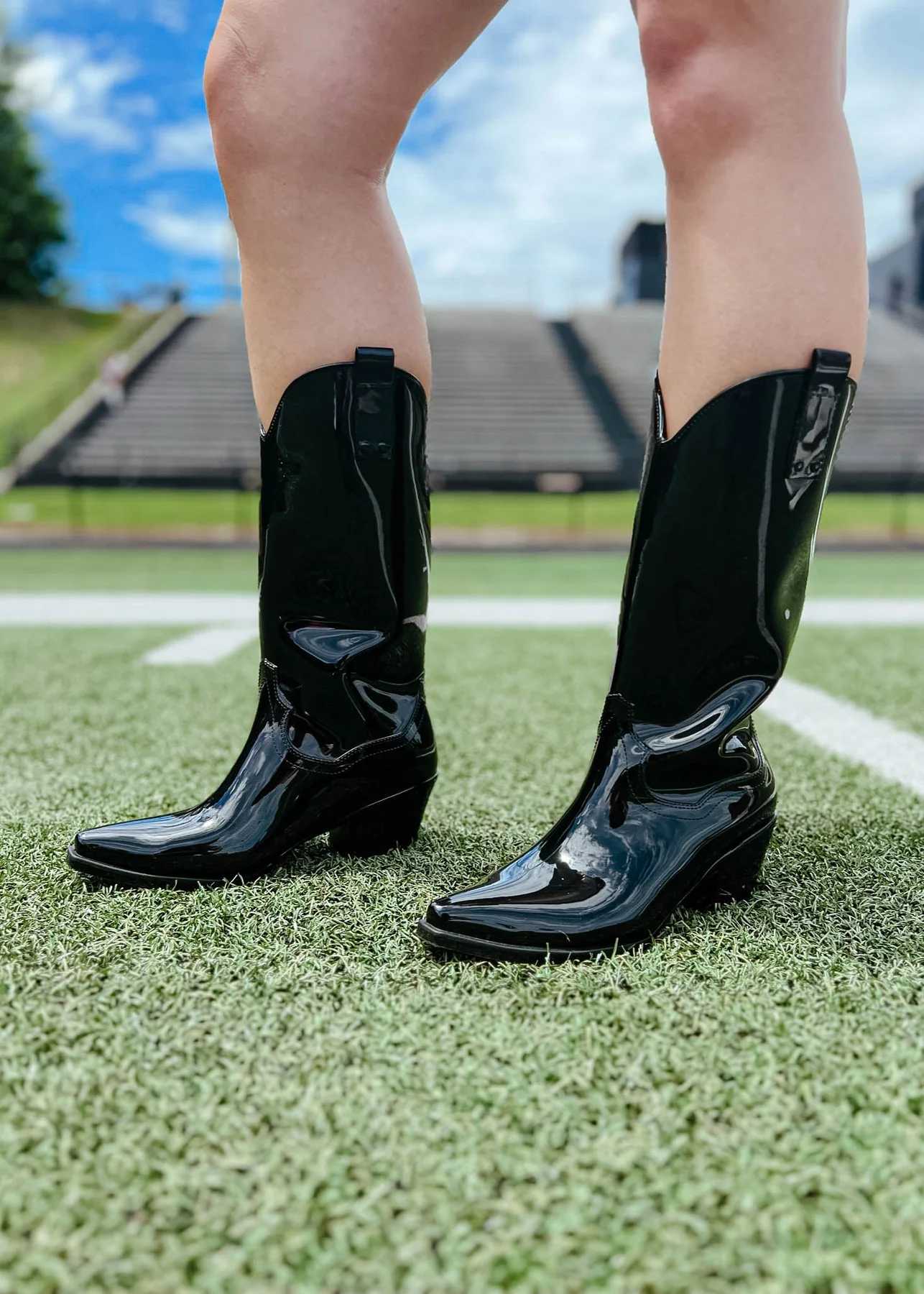
Boot Upper
In rubber Western work boots, the upper takes shape through injection or vulcanization steps. A solid upper keeps even thickness, resists rips, and stays flexible. It also holds up the lower leg well. A good shaft shape guards against outside junk and weather effects.
Boot Insole
The insole has a key job in comfort and less tiredness. Heavy-duty insoles take in shocks, spread weight evenly, and fight moisture build-up. Closed-cell stuff helps keep padding good over time.
Outsole And Heel
The outsole needs to give sure grip on different grounds. Rubber outsoles with thick tread lines boost slip defense. Oil-proof and chemical-proof mixes make them last longer. The heel shape aids steady steps and good posture, above all on bumpy surfaces.
Boot Shank
A built-in shank spreads weight better and steadies the arch. This part matters a lot for tasks with heavy gear, ladders, or standing long on firm floors.
Types Of Western Boots
Western boots come in a few useful types. Each one fits different job demands.
Cowboy Boots
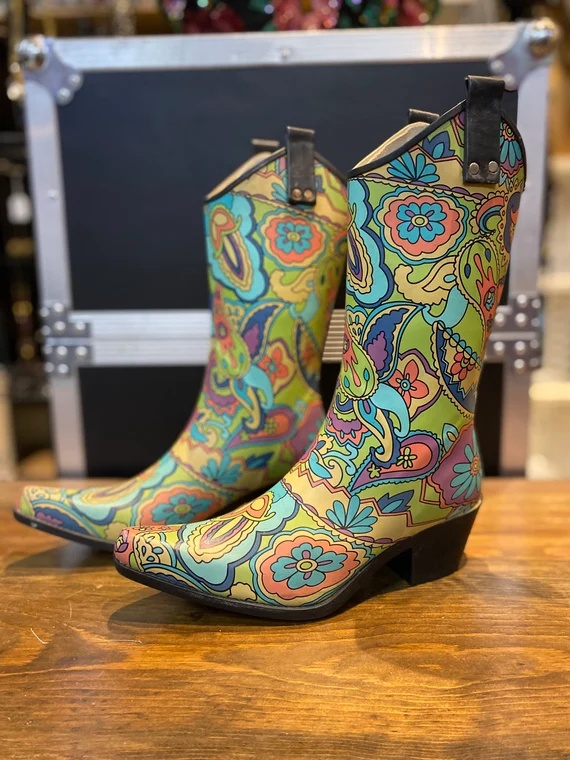
Cowboy boots stand out as the best-known Western boot form. They act as the base shape for many current work-focused styles. In factory settings, cowboy-style rubber work boots keep the usual Western shaft height and heel shape. Yet they stress useful work over fancy looks.
These boots see common use in farming, animal care, country building jobs, and outside utility tasks. The raised heel improves balance on rough land. The mid-to-high shaft guards against mud, water, and field dirt. Rubber build gives full waterproofing and shields from field grime.
Western Riding Boots
Western riding boots, changed for work use, put focus on steady footing, grip, and safe foot place. In rubber versions, these boots fit farm and utility spots where sure steps and weather shields matter most.
The heel shape helps balance in repeated steps and gear handling. Stronger spots boost life in areas that wear fast. These boots put function first over old riding style.
Western Fashion Boots
Western fashion boots care mostly about looks. They see less use in factory work. Still, some job places with uniform or brand rules pick Western-like styles. These stress comfort and matching visuals while keeping basic safety parts.
What To Look For In Western Work Boots
Outsole Materials
Rubber outsoles need to offer good grip, wear defense, and chemical strength. Test results and cert info count as main checks for business buying.
Rubber Construction
Full rubber build brings gains like no-seam waterproofing, easy wash, and steady make quality. These points hold extra value in big rollout and swap plans.
Essential Safety Features
Main traits cover strong toe guards, puncture-proof midsoles, electric hazard shields, and no-slip tread setups. Choices should follow site risk checks and rule needs.
Various Toe Shapes In Western Boots
Western work boots come with different toe shapes to fit practical and comfort needs:
-
Rounded Toe: Helps natural foot place and lasting ease
-
Square Toe: Gives more room inside and better steady stand
-
Broad Square Toe: Works well for wide feet and tough jobs
Toe shape choice can affect ease, safety rule fit, and how workers like the boot.
Where You Should And Shouldn’t Wear Western Work Boots
Suitable Environments
Construction sites, agricultural operations, industrial facilities, utilities, mining areas, and outdoor maintenance work.
Unsuitable Environments
Formal business settings, office workplaces, athletic activities, and leisure environments that do not require protective footwear.
Key Differences Between Work Boots And Traditional Cowboy Boots
Western work boots get built to hit job safety and long-life rules. Traditional cowboy boots put stress on cultural look and riding use. Rubber Western work boots focus on defense, steady results, and rule fit. This makes them right for work rather than daily style wear.
Final Thoughts On Western Work Boots
Western work boots have grown into a useful and trusty shoe choice for current industries. Rubber-based styles bring waterproof shields, safety results, and lasting comfort needed in hard spots. They join old Western shape with factory design. This way, the boots meet what pro users want in many fields.
As an experienced manufacturer, supplier, and factory specializing in rubber work boots and safety footwear, Trenboo supports global partners with OEM and ODM services, scalable production capacity, and application-focused product development, enabling efficient sourcing for distributors, contractors, and industrial buyers.
FAQs
What industries commonly use rubber Western work boots?
Agriculture, construction, utilities, mining, municipal services, and industrial maintenance.
Why is rubber preferred for Western work boots in industrial use?
Rubber provides waterproofing, chemical resistance, slip resistance, and consistent quality for large-scale production.
Are Western work boots suitable for long working hours?
Yes. Ergonomic internal structures and shock-absorbing designs support extended wear.
Can rubber Western work boots meet safety standards?
Properly engineered designs can meet impact protection, slip resistance, and electrical hazard requirements.
Partner With An Established Rubber Boot Manufacturer
As industrial procurement requirements grow more demanding, aligning with a reliable production partner becomes essential. Trenboo is a long-established vulcanized rubber boot factory located in China, with production experience dating back to 1958, and it specializes in high-quality rubber footwear including outdoor work boots and safety-oriented designs.
Trenboo’s factory supports customization across technical design, materials, outsole and tread specifications, color matching, and branding requirements. Its comprehensive OEM and ODM service framework enables tailored development from initial concept or sketch to approved sample and optimized bulk production, with logistical planning that meets global export needs.
Working with Trenboo means access not only to factory-direct pricing, robust quality control, and flexible minimum order quantities, but also to ongoing R&D collaboration — from outsole traction engineering to advanced rubber compound formulations and design innovation driven by professional testing and iteration. This makes Trenboo a compelling manufacturing partner for distributors, private label owners, brand developers, and industrial procurement teams seeking consistent supply performance, technical excellence, and strategic product differentiation.Contact the Trenboo team today.

 consult
 WHATSAPP
 leave message
 top
top