

Nouvelles connexes
-
Wellington Boot Sizing Expliqué: Atteindre un ajustement optimal pour les performances et la durabilité

-
Présentation du matériau des bottes de pluie résistantes aux produits chimiques: nitrile, PVC, caoutchouc et néoprène pour les applications industrielles
-
Les meilleures bottes de pluie en PVC pour les travailleurs de la construction et l'utilisation industrielle en 2026


Présentation du matériau des bottes de pluie résistantes aux produits chimiques: nitrile, PVC, caoutchouc et néoprène pour les applications industrielles
Dans des environnements industriels difficiles, bottes de pluie résistantes aux produits chimiques donner une sécurité clé contre les matières nocives, l'eau et les dangers corporels. Des secteurs tels que la fabrication chimique, l’exploitation minière, l’agriculture, le pétrole et le gaz et la construction ont besoin de chaussures qui allient une bonne tenue chimique, une puissance durable, une adhérence antidérapante et correspondent aux règles de sécurité mondiales. La cueillette de matériaux façonne la santé des travailleurs, le flux de travail et l'économie d'argent à long terme. Trenboo apporte des bottes en caoutchouc vulcanisé robustes et des solutions adaptées à ces besoins de travail.

Comprendre les bottes de pluie résistantes aux produits chimiques
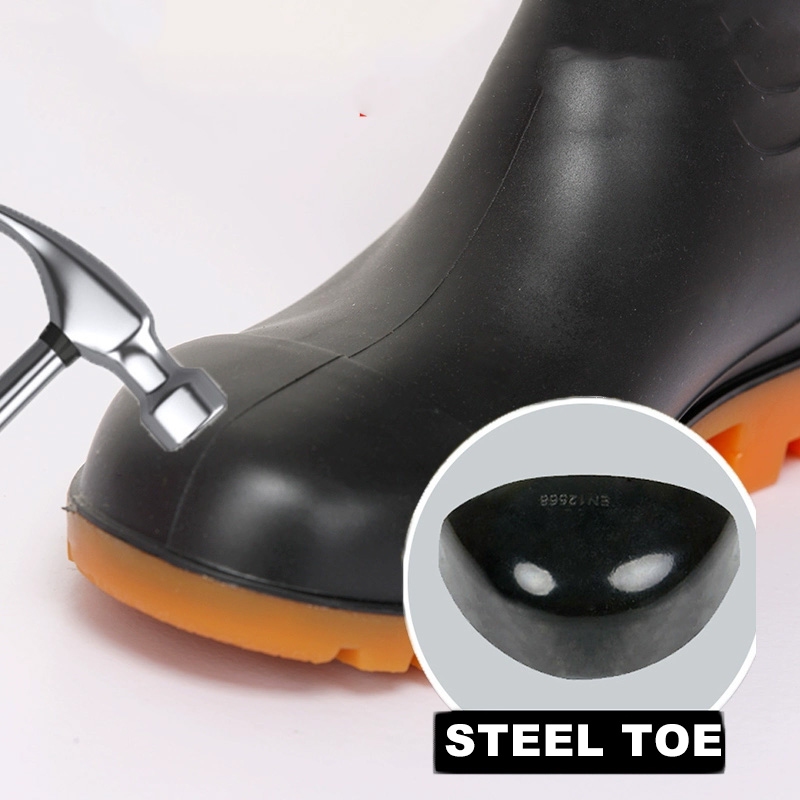
Bottes de pluie de sécurité résistantes aux produits chimiques protéger les travailleurs de manger des liquides, des huiles, des nettoyants, des acides et des matières de base. Ils gardent l'eau et protègent les pieds. Ces bottes ajoutent souvent des parties fortes. Ces pièces comprennent des orteils en acier, des semelles intermédiaires sans poignage et des fonds antidérapants. Ils conviennent aux appels de travail dur.
Caractéristiques clés des chaussures industrielles résistantes aux produits chimiques
-
Résistance à la perméation chimique: Empêche les substances nocives de toucher la peau.
-
Protection contre les chocs et la compression: Casquettes en acier ou en composite qui suivent les niveaux d'impact.
-
Résistance au glissement: Fonds construits pour les sols humides, huileux ou sales.
-
Propriétés thermiques: Choix chauds pour les points froids ou les doublures d'air pour une usure longue.
-
Métrices de durabilité: Tenir contre les frottements, les coupures de flexion et l'usure au fil du temps.
La sélection repose sur les types de risque définis, le temps de contact et les états de la zone.
Normes et certifications de sécurité pertinentes
Les chaussures de sécurité doivent respecter les règles établies pour un travail sûr. Aux États-Unis, l'OSHA fait référence aux normes ASTM F2412 et ASTM F2413 pour les essais de travail. Ceux-ci couvrent l'impact, le serrage et la protection du haut du pied. En Europe et dans de nombreux endroits du monde, les normes EN ISO 20345 (chaussures de sécurité) et EN ISO 20344 (méthodes d'essai) définissent les besoins. Les niveaux de S5 montrent une retenue d'eau, des traits non statiques et luttent contre le carburant et certains produits chimiques. La conformité supplémentaire aux règles REACH réduit les matières interdites dans les matériaux. Les usines maintiennent la qualité ISO 9001 et les papiers de soins sociaux BSCI pour une marque stable.
Comparaison des matériaux: Nitrile, PVC, caoutchouc et néoprène
Un contrôle approfondi des matériaux montre des points forts et des retours sur la tenue chimique, la durabilité, la facilité, le poids et le prix. Les mélanges de caoutchouc vulcanisé, avec ajouts de néoprène ou de nitrile, donnent souvent un travail même dans les travaux difficiles.
Bottes en caoutchouc synthétique nitrile
Le nitrile donne une tenue fine aux huiles, aux carburants, aux nettoyants et à de nombreuses pièces à huile. Son maquillage fait apporte haute flexion et ajustement corporel. Cela réduit la fatigue lors de longues heures de travail. La durabilité est très élevée. Il a une forte lutte de frottement et une vie de nombreuses saisons. La facilité reste au top des constructions douces et s'adapte à de nombreuses doublures.
Utilisations comme les usines chimiques, la réparation de voitures et l'huile fonctionnent le mieux. Les limites couvrent peut-être des prix plus élevés et changent les façons de recycler à côté d'autres choses.
Bottes en PVC (Chlorure de polyvinyle)
Le PVC apporte une retenue d'eau sûre et une construction légère à de bons prix. Il montre une juste adhésion à certains acides, bases et produits chimiques de l'eau. Cela le rend adapté au travail humide commun ou aux plans à faible coût. Bend dos mouvements faciles. Mais le sentiment dur peut grandir dans le froid.
Les points faibles maintiennent le travail de bon à bas contre les huiles fortes et les nettoyants. Il se porte rapidement dans les taches de frottement. Zone pense lien pour faire et jeter. Le PVC convient aux boîtiers à court terme ou légers. Il ne convient pas au contact chimique dur constant.
Bottes en caoutchouc naturel et synthétique
Le caoutchouc ancien, principalement vulcanisé naturel ou types à haut mélange, fonctionne bien dans la dureté, la lutte contre le piqué et chaud pour les extrémités froides ou humides. Changements de retenue chimique par mélange. Mais il fonctionne bien contre les insecticides, les aliments végétaux, l'ammoniac et de nombreuses choses mélangées à l'eau. Fonds antidérapants et solides reconstruisent les travaux de terrain miniers, de construction et agricoles.
Les gains couvrent une grande longue vie sous la poussée du corps et la tenue de la température. La facilité de changement repose sur les choix de construction et de doublure. Certains types se sentent moins en forme que les types fabriqués. Les types de caoutchouc fabriqués peuvent augmenter les tenues de jeu. Par exemple, aux huiles lorsqu'elles sont mélangées à droite.
Bottes en néoprène
Le néoprène mélange la retenue d'eau avec une lutte juste contre les acides légers, les huiles et la chaleur. Ses traits étirables et chauds le rendent bon pour les endroits extérieurs ou de changement de température. Ceux-ci comprennent des sites de chasse, de poisson ou de boue. Les doublures ou les hauts en néoprène sont souvent équipés de fonds en caoutchouc pour le travail de mélange.
Ce truc équilibre la facilité et la garde. Mais il peut ne pas correspondre au nitrile ou au caoutchouc en contact avec l'huile dure. Il ajoute de la valeur dans les emplois nécessitant le contrôle de la flexion et de la température.
Mesures de performance et recommandations spécifiques à l'industrie

Les contrôles de nombre mènent à des choix d'achat. Le nitrile obtient souvent le top dans l'huile et le nettoyage. Le caoutchouc mène dans tout le corps durable et protège. Le PVC donne le moindre poids. Cela réduit la fatigue des travailleurs dans les zones à faible risque. Le néoprène apporte un travail chimique et de température solide pour les touches de mélange.
Dans la fabrication chimique, les mélanges de nitrile ou de caoutchouc fort réduisent les risques tactiles. L'exploitation minière et la construction gagnent du caoutchouc’ S résistance et S5 pièces sûres. L'agriculture aime les choses contre les aliments végétaux et les insecticides. Il a souvent des picks chauds pour l'utilisation du temps. Le travail pétrolier et gazier met en place les premiers mélanges d'huile pour arrêter l'usure.
Les étapes de test vérifient les pauses de flexion, frottez et trempez en chimie pour deviner la vie réelle. Le bon choix de matériel peut augmenter la durée de vie de travail de 50% ou plus dans les endroits ciblés. Cela réduit les temps d'échange et les coûts propres.
Facteurs supplémentaires dans la sélection des bottes résistantes aux produits chimiques
Au-delà des choses de base, certaines pièces technologiques façonnent le travail complet et conviennent aux achats B2B.
Options de protection et de renforcement des orteils
Les capuchons d'orteils en acier ou en composite répondent aux règles de frappe (par exemple, 200 joules). Les semelles intermédiaires (Kevlar ou plaque d'acier) ne font pas de piqûre et répondent aux risques de choses pointues. Les constructions sans impact ajoutent plus de sécurité dans les sites industriels en déplacement.
Technologies de semelle extérieure pour la prise en main et la durabilité
Les fonds en caoutchouc vulcanisés ou coincés donnent une traction supérieure sur les planchers glissants. Les niveaux de SRC correspondent aux états humides et huileux. Deux couleurs ou définir des façons d'étape stimuler voir et travailler. Ils restent durables.
Systèmes de doublure et d'isolation
Les doublures en coton-polyester ou en maille d'air poussent le flux d'air et la poignée humide. Le néoprène, le polaire polaire ou les picks à fourrure donnent du chaud pour le réfrigérateur ou le travail hivernal. Le polyester recyclé (RPET) ou le coton végétal appuient les objectifs verts. Ils ne nuisent pas au travail.
Personnalisation pour les besoins de marque et de performance
Les équipes d’entreprise ont besoin de réparations. Ceux-ci couvrent les couleurs Pantone-match, les sensations personnalisées (marches en cuir ou en diamant), les marques d'impression et les mélanges de set. Mettez des pièces de jambe ou des tops stretch adaptés à différents types d'utilisateurs.
Fabrication et assurance qualité de chaussures résistantes aux produits chimiques
Top make utilise de nouvelles étapes de vulcanisation, un mélange exact de caoutchouc et des tests de laboratoire avec des outils tels que des rhéomètres, des testeurs de traction et des machines de pliage. Les plantes avec beaucoup de lignes font garder l'espace quotidien pour les grandes commandes. Ils mettent la qualité avant la rapidité. La conformité aux niveaux de sécurité REACH et de l'UE assure que les produits répondent aux points de sécurité chimique.
R& D regarde les constructions mixtes. Il ajoute des pièces de chaussures de sport et en cuir pour une meilleure forme corporelle et de nouvelles idées. Les formes patentées permettent des constructions uniques qui distinguent les lignes de produits.
Considérations de durabilité dans les chaussures industrielles
Stuff choisit forme zone frappée. Les bottes vulcanisées à haute teneur en caoutchouc naturel permettent souvent de mieux choisir la fin de vie que le PVC. Les fabricants offrent maintenant des doublures recyclées et des produits moins interdits. Les équipes après la chaîne verte gagnent des fabricants montrant la correspondance BSCI et la bonne source.
FAQ (questions fréquentes)
Quel est le meilleur matériau pour les bottes de pluie résistantes aux produits chimiques dans des environnements à huile et à solvants lourds?
Le caoutchouc synthétique nitrile donne généralement la meilleure tenue aux huiles, aux carburants et aux nettoyants. Il s'associe à une grande durabilité et facilité.
Comment les bottes en caoutchouc se comparent-elles au PVC pour une utilisation industrielle lourde?
Le caoutchouc vulcanisé apporte une meilleure durée de vie corporelle, une lutte contre les coups et une longue durée de vie dans les états durs. Le PVC reste plus léger et bon marché pour les touches légères.
Quelles normes de sécurité doivent respecter les bottes résistantes aux produits chimiques?
Les chaussures doivent être conformes à la norme ASTM F2413 ou à la norme EN ISO 20345 (avec des niveaux de S5 pour l'eau et les pièces chimiques). Ils ont également besoin de règles OSHA et REACH chem match.
Les bottes résistantes aux produits chimiques peuvent-elles être personnalisées pour des applications industrielles spécifiques?
- Oui, oui. Les sélections couvrent des mélanges personnalisés, des doublures, des fonds, des protèges des orteils, des couleurs et des marques pour répondre aux types de risque exacts et aux besoins de la marque.
Quels facteurs déterminent la durée de vie des bottes de pluie résistantes aux produits chimiques?
Le type de touche et le temps, les niveaux de frottement, les soins appropriés et les choses mélangent toutes les formes de la vie professionnelle. Vérifier normal et tourner ajouter le temps d'utilisation.
Conclusion
Trenboo agit en tant que fabricant et fournisseur ciblé de bottes en caoutchouc vulcanisées supérieures. Ceux-ci comprennent les types de sécurité minière de retenue d'huile et d'acide, les bottes de sécurité S5 et les picks chauds en néoprène. Avec 20 000 ㎡ usine dans la province du Hebei avec six lignes de fabrication et espace quotidien de 5000 paires, Trenboo soutient les grands besoins B2B à travers les étapes ISO 9001 et BSCI.
La société donne le travail ODM et OEM complet. Cela va de la note de conception à la marque d'échantillon en 15 jours et la grande marque en 45 jours. Les équipes utilisent des matériaux fabriqués (jusqu'à 60% de mélanges de caoutchouc naturel), des doublures (néoprène, polaire, RPET), des fonds et des pièces marquées. La conformité REACH et les compétences EN ISO 20345 S5 assurent que les marchandises répondent aux règles industrielles strictes.
Les entreprises après sûr, un grand nombre de bottes de pluie résistantes aux produits chimiques ou des corrections de chaussures de sécurité devraient atteindre Trenboo pour discuter des détails du projet, des faits MOQ et faire des chances. L'utilisation de compétences définies dans le nouveau travail de chaussures en caoutchouc apporte une qualité et un travail stables pour les équipes industrielles mondiales. Reagir maintenant pour voir comment Trenboo peut construire des compétences en chaîne pour les plans de tenue chimique et de chaussures de sécurité.

 consulter
 Application WhatsApp
 laisser un message
 haut
haut