


Notizie correlate


Stivali da pioggia in gomma all'ingrosso per passeggiate con il cane: opzioni comode, basse e resistenti per acquirenti B2B
Nei mercati con clima umido, le passeggiate con il cane creano una categoria di calzature da utilizzare ripetutamente, piuttosto che un acquisto occasionale di abbigliamento antipioggia. Le numerose passeggiate quotidiane richiedono protezione impermeabile, praticità grazie al taglio basso, trazione stabile, struttura flessibile e resistenza in corrispondenza di avampiede, tallone, collo e suola. Per importatori, distributori, aziende di private label e rivenditori di articoli outdoor, questo caso d'uso supporta una collezione mirata con potenziale di riordino. Trenboo serve questo mercato come produttore specializzato di stivali in gomma con sviluppo OEM/ODM in fabbrica e produzione all'ingrosso.

Specifiche del prodotto per passeggiate frequenti con il cane
Design a taglio basso, comfort e durata.
Gli stivaletti Chelsea alla caviglia sono ideali per le passeggiate con il cane in città e in periferia, poiché il gambale più corto riduce il peso e facilita l'inserimento e la rimozione frequenti. Inserti elastici, linguette, ampie aperture o colletti in neoprene migliorano la comodità senza l'ingombro di un alto stivale da campo.
Il comfort dovrebbe essere definito in base alla forma della calzatura, al volume della punta, al sostegno del tallone, alla flessibilità, alla pressione del collo del piede, all'ammortizzazione e al peso della scarpa. Camminare ripetutamente sollecita anche le zone di flessione, le linguette, i pannelli, le cuciture e l'aderenza della suola, quindi la valutazione della durata deve andare oltre l'aspetto estetico.
Selezione dei materiali e della suola
La gomma naturale supporta tomaie flessibili e impermeabili. La composizione della mescola e lo spessore del foglio influenzano morbidezza, peso, odore, resistenza all'abrasione e costo. Le fodere in cotone-poliestere o in rete traspirante sono adatte a mercati con clima mite e umido, mentre il neoprene aggiunge elasticità, ammortizzazione e calore.
Il design della suola deve essere adatto al terreno. La gomma vulcanizzata stampata può offrire elasticità e assorbimento degli urti; un battistrada più profondo è più adatto a fango ed erba bagnata, mentre i disegni a profilo ribassato possono essere più indicati per i negozi in ambito urbano. Le dichiarazioni relative alla resistenza allo scivolamento richiedono test specifici.
Nota per gli acquirenti, destinata a marchi e importatori
Assortimento e posizionamento commerciale
Un programma per portare a spasso i cani può includere uno stivale Chelsea di base, un modello comfort di alta qualità e un modello in neoprene per esterni. I colori di base favoriscono i riordini, mentre le finiture stagionali, le pellicole stampate, i pannelli a contrasto o le texture di marca garantiscono un aspetto sempre nuovo.
Un brief di approvvigionamento dovrebbe definire mercato, canale, taglie, materiali, suola, altezza del gambale, conformità, imballaggio, volume, tempi di consegna e prezzo obiettivo. Ciò consente a un fornitore di stivali da pioggia di raccomandare un modello esistente o di valutare un nuovo sviluppo.
Pianificazione degli ordini all'ingrosso
Per gli ordini all'ingrosso, si prega di confermare le proporzioni delle taglie, i colori, gli imballaggi, i marchi di spedizione, i codici a barre, gli standard di ispezione, i limiti di difettosità e i termini di spedizione. L'imballaggio può includere sacchetti di plastica, scatole di cartone, scatole per scarpe personalizzate, cartellini, inserti o scatole certificate FSC. La pagina dei contatti indica un ordine minimo standard di 800 paia per colore e per modello; i minimi specifici per modello variano in base alla suola, al materiale, al colore, allo stampo e all'imballaggio.
Prodotti consigliati ed espansione della categoria
Opzioni principali per portare a spasso il cane
Uno stivale Chelsea da donna basso si adatta all'abbigliamento antipioggia urbano e ai canali di lifestyle dedicati agli animali domestici. Stivaletto alla caviglia con collo in neoprene a calzata ampia Offre una vestibilità più ampia e un contatto più morbido con la caviglia. La collezione di stivali da giardino in neoprene per esterni propone diverse altezze per una calzata coordinata anche in caso di pioggia.
Percorsi di prodotto correlati
La ricerca sul prodotto può proseguire attraverso:
-
Stivali di gomma per bambini, ideali per programmi di vendita al dettaglio dedicati alla famiglia e al lifestyle.
-
Stivali da esterno per adulti, ideali per giardinaggio, pesca e attività in campagna.
-
Stivali da pioggia pieghevoli, ideali per viaggiare e riporre in modo compatto.
-
Stivali di gomma antinfortunistici per la distribuzione di abbigliamento industriale e da lavoro.
-
Stivali da pioggia da donna alla moda per collezioni stagionali a marchio privato
Questi percorsi guidano i team di approvvigionamento dalla ricerca di casi d'uso al confronto dei prodotti e alla valutazione dei fornitori.

Considerazioni relative alla produzione OEM/ODM
Personalizzazione, loghi e sviluppo
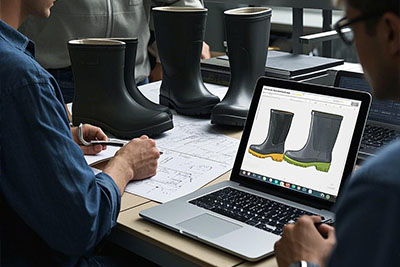
Un progetto OEM/ODM dovrebbe confermare l'applicazione, la forma della scarpa, la suola, i materiali, il colore, il logo e il costo del campione prima dello sviluppo. La personalizzazione può includere spessore e mescola della gomma, sovrapposizioni, colori Pantone, pellicole stampate, fodera, altezza del gambale, disegno della suola, imballaggio e dettagli del marchio. La pagina di personalizzazione indica che i colori di base in gomma specificati richiedono generalmente 800 paia.
I metodi di applicazione del logo dipendono dal posizionamento e dal materiale e possono includere la marcatura a stampo o in rilievo, la stampa, le applicazioni a trasferimento termico, le linguette di aggancio personalizzate e la grafica per il packaging. Lo sviluppo di una nuova forma o suola dovrebbe definire le misure, il costo dello stampo, la proprietà e il volume di produzione previsto.
Conferma del campione e tempistiche di produzione
Il flusso di lavoro di esempio pubblicato comprende l'applicazione, la selezione della forma e della suola, i materiali, il colore e il logo, seguiti dalla conferma dei tempi di consegna e dei costi. Un esempio pubblicato per uno stivale pieghevole indica circa 15-20 giorni per lo sviluppo del campione e 30-40 giorni per la produzione in serie dopo l'approvazione. Stampi complessi, approvvigionamento, revisioni, ispezioni e carichi di lavoro durante l'alta stagione possono prolungare i tempi.
La produzione dovrebbe essere regolata da un campione di conferma firmato e da una scheda tecnica aggiornata. Gli ordini di acquisto dovrebbero inoltre definire le modalità di pagamento, consegna, responsabilità per l'ispezione, procedure di reclamo e gestione dei prodotti non conformi.
Per i progetti di stivali da pioggia a marchio privato, i team di approvvigionamento possono esaminare il processo OEM/ODM, confrontare le collezioni di stivali di gomma, valutare il profilo della fabbrica e inviare le specifiche tramite il pagina dei contatti.
Capacità produttiva e fiducia negli acquisti
Scala, certificazione e controllo qualità
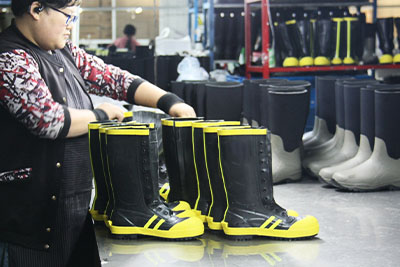
Il profilo dello stabilimento riporta un'area di 20.000 metri quadrati, oltre 260 dipendenti, una produttività mensile fino a 150.000 paia ed esportazioni in più di 50 paesi. Le risorse includono sei linee di produzione con una capacità giornaliera di circa 5.000 paia, miscelatori di gomma, vulcanizzatori e attrezzature di laboratorio per test reologici, di trazione e di flessione.
Tra le certificazioni pubblicate figurano la ISO 9001 per la gestione della qualità e la BSCI per la responsabilità sociale. La produzione è descritta come conforme ai requisiti del regolamento REACH dell'UE in materia di sostanze chimiche, con riferimento alla norma EU 20345 S5 per le scarpe antinfortunistiche da lavoro.
Il sistema di qualità dichiarato comprende cinque procedure di ispezione, tra cui controlli dei materiali, ispezione dell'assemblaggio in linea, test di tenuta dopo la vulcanizzazione e ispezione della linea di confezionamento.
Consegna e controllo post-vendita
La valutazione dei fornitori dovrebbe includere la puntualità delle consegne, la tracciabilità, i rapporti di ispezione, la risposta alle azioni correttive e la gestione dei reclami post-spedizione. Il sito web indica una garanzia di qualità di sei mesi per gli stivali da pioggia da esterno per adulti. I contratti dovrebbero comunque definire i termini per la presentazione dei reclami, le prove richieste, i tempi di risposta e se i reclami approvati vengono risolti tramite sostituzione, credito o altra soluzione.
Domande frequenti
Qual è il quantitativo minimo d'ordine (MOQ) tipico?
Lo standard dichiarato è di 800 paia per colore e per modello, sebbene le pagine specifiche per la costruzione possano indicare quantità diverse.
Quali materiali sono adatti per passeggiate frequenti con il cane?
La tomaia flessibile in gomma con fodera in tessuto traspirante è adatta a climi miti e umidi; la versione in neoprene è ideale per climi più freddi o per attività all'aperto.
Quali requisiti devono essere approvati prima della produzione in serie?
Il campione finale, la scheda tecnica, la tabella delle taglie, i colori, i loghi, l'imballaggio, i requisiti di collaudo, il rapporto dimensionale, lo standard di ispezione e il programma di spedizione.
Quando è necessaria una forma per scarpe personalizzata?
Una nuova forma è appropriata quando la forma standard non è in grado di soddisfare la larghezza richiesta, la forma della punta, la calzata del tallone, la taglia o la silhouette del marchio.
Come si dovrebbe verificare la qualità di fabbrica?
Le verifiche di fabbrica, la revisione delle certificazioni, i rapporti sui materiali, le prove di laboratorio, le ispezioni in linea, le ispezioni pre-spedizione e le procedure di reclamo documentate devono essere valutate congiuntamente.
Avvia un progetto di stivali da pioggia per portare a spasso il cane con marchio privato
Trenboo è una fabbrica di stivali da pioggia e produttore OEM/ODM che serve importatori, distributori, rivenditori e marchi privati. Gli acquirenti possono esaminare il prodotto e OEM / ODM pagine prima di inviare specifiche, quantità, requisiti di conformità e tempi di consegna per il preventivo.

 consultare
 Applicazione WhatsApp
 Lascia un messaggio
 superiore