



Best Wellington Boots for Farming: A Comprehensive Guide for Agricultural Professionals
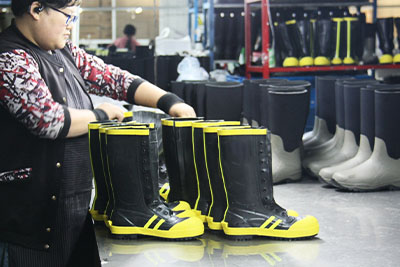
Wellington boots are one of the essential tools for agricultural. Made from high quality rubber, our Wellington Boots are designed for serious farmers who need the best protection from muddy farms. Trenboo is a reliable manufacturer that designs the boots with the most advanced production methods. Our Wellington Boots can meet the needs of modern farmers.

Importance of Quality Wellington Boots in Farming Operations
Agriculture is a wet work environment, undertaking work in varied terrain and adverse weather conditions. Top quality wellington boots will keep workers at work all day long and for long periods, protecting them from moisture and all other hazards.
Key Challenges in Farm Footwear
Farming involves working in mud and water on a daily basis, surrounded by manure and chemicals. Wearing unsuitable footwear can be very uncomfortable, limit your ability to work and cause health problems. Rubber boots of high quality construction are waterproof and reinforce all parts to provide the best protection in these circumstances.
Impact on Worker Productivity and Safety
These extremely durable boots are designed with fatigue relief to help alleviate aches and pains from long hours on your feet. Featuring anti-slip soles they will also help prevent slips and falls on wet and slippery surfaces in yard, field, barn and all livestock areas helping to ensure efficient operation.
Essential Features of Farming Wellington Boots
Professional-grade wellington boots contain specific design features that are suited to agricultural use, and are designed to be able to perform in all seasons and circumstances.
Waterproof Protection and Material Durability
Our Natural Rubber compounds out perform any synthetic alternative at Waterproofing. Premium formulations are designed to resist cracking, abrasion and degradation by UV light and farm chemicals. Thickness and vulcanization play important roles in maximizing the life of compounds in adverse applications.
Thermal Regulation Through Advanced Linings
Neoprene Linings for Cold Weather Performance
Neoprene provides excellent insulation, maintaining foot warmth in temperatures as low as -20°C. Its flexibility and waterproof properties make it ideal for winter fieldwork or early morning operations.
Breathability
Lightweight jersey or air-mesh options are designed to wick moisture and promote airflow during warmer months. They enable athletes to prevent overheating whilst also enabling garments to dry quickly after use.
Extreme Conditions: Insulated and Fleece
Polar fleece or wool blends can add an extra layer of warmth to your winter garments. We can create a blend of insulation and comfort that is durable as well.
Grip, Support, and Sole Technology
Anti-Slip Tread Patterns
Deep multi-directional lugs for use on mud, loose ground and ice. Vulcanized rubber soles or boots with hybrid constructions that incorporate EVA in the midsole for shock absorption and stability.
Arch Support and Ergonomic Design
The footwear features built-in arch support and cushioned insoles to help reduce foot fatigue when standing for long periods or going for long walks. The adjustable top line and reinforced heel provides a secure and comfortable fit to prevent discomfort such as blisters.
Reinforced Construction Elements
Heel counters, shank support, stress-point reinforcements. Such components extend the service life of the product for intense use.
Types of Wellington Boots Suitable for Different Farming Tasks

Agricultural activities, climate and the user requirements determine the selection.
Tall Wellington Boots for Field and Livestock Work
Knee high or taller boots can provide protection from deep mud and large splashes while walking through pastures or during irrigation season. These boots are designed for total protection in wet environments.
Ankle or Mid-Calf Options for Lighter Duties
For use in the greenhouse, when using machinery or on less muddy occasions, shorter wellingtons or Chelsea boots are suitable. They are more convenient to remove and off and still offer protection.
Specialized Variants for Seasonal and Task-Specific Use
Winter and Insulated Models
Neoprene or fleece-lined versions of Winter and Insulated Models for cold weather usage in Northern climates or off season maintenance.
Chemical-Resistant and Safety-Enhanced Boots
Boots that meet applicable standards for resistance to fertilizers and pesticides as well as boots with steel toes for more hazardous work environments.
Factors to Consider When Selecting Wellington Boots for Agriculture
Procurement teams and farm managers evaluate several criteria to make the best investment possible.
Durability and Long-Term Value
High natural rubber content and robust vulcanization contribute to resistance against wear. Established production standards, including ISO and REACH compliance, indicate reliable quality control.
Fit, Comfort, and Customization Potential
Gloves are available in the correct size, as well as with a range of customizable features, including width, linings, and logos. For large users, ODM/OEM options are available to allow for specific branding and specifications.
Maintenance and Care Requirements
Quality boots are usually pretty easy to clean and should be hosed down and put away properly to increase the life of them. Adding a UV protectant and some boot conditioner to the mix will also keep your materials in good shape.
Environmental and Sustainability Aspects
There are several certifications for responsible sourcing as well as fair production in agriculture nowadays.
Maintenance and Care Best Practices for Longevity
Care for your professional wellingtons extends their service life.
Daily Cleaning and Storage
After use wash boots and allow to dry naturally. Avoid exposing rubber to direct heat and store in a cool dark place.
Seasonal Inspections and Repairs
Scheduled checks for cracks and wear to soles and other parts will enable any necessary maintenance to be carried out promptly. In addition minor repairs and replacements can be undertaken to maintain specified performance.
Storage Solutions for Farm Operations
Racks could be ‘dedicated’ to boots and provided with good airflow to prevent boots becoming deformed, and remain ready for use.
Innovations in Wellington Boot Technology for Farming
Advancements continue to enhance performance.
Material Science Developments
There are compounds for improved rubber sole flexibility and durability. The hybrid soles are a mix of light weight cushioning and very aggressive tread.
Design Enhancements for Ergonomics
Modern lasts and shoe construction allow for a comfortable and secure fit for a variety of foot shapes, enabling shoes to be made for a wide range of agricultural workers.
Customization and Branding Opportunities
Manufacturers support detailed personalization, from color matching and prints to structural modifications, enabling unique fleet solutions.
FAQ
So why would Natural Rubber Wellington Boots be the preferred choice of farming footwear?
Because Natural Rubber is more flexible and far superior when it comes to providing a waterproof and durable surface than most synthetic alternatives. And when wet and abused with dirt, mud and muck on a daily basis that is no easy task.
How important is the choice of lining for a seasonal farm?
By choosing the right lining, comfort and thermal regulation can be increased with neoprene for cold weather and permeable fabrics for warmer weather. This will help increase productivity all year round.
What are the key features of a sole for work on muddy farm terrain?
Deep treads, which are self-cleaning, and shock-absorbing soles that provide good grip and relief from fatigue on hard work.
Can wellington boots be customized for farm branding?
Yes, wellington boots can be customized with logos printed on upper part of boot, on soles or on pull tabs. As well as this you can have custom colors, height of boot and linings.
How can agricultural operations evaluate potential boot suppliers?
Evaluating potential boot suppliers would focus on four main factors such as the supplier’s production capacity, the quality certifications the supplier holds, the supplier’s ability to customize products and the supplier’s ability to deliver quality products in various export markets.
Conclusion
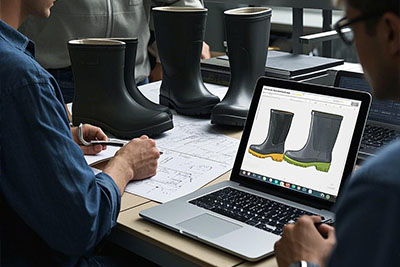
Trenboo is not only a Wellington boot manufacturer, producer, and customization expert. More importantly, we are a footwear innovation and development partner. Beyond manufacturing, we help customers design, engineer, prototype, and co-develop new boot collections tailored to their target markets. By combining product development expertise with large-scale manufacturing capabilities, Trenboo enables brands and distributors to transform ideas into commercially successful products.
From initial sketches and sample development to material sourcing and mass production, our team supports every stage of the product lifecycle. This makes Trenboo an ideal partner for businesses seeking not only a supplier, but also a long-term footwear development collaborator.
Please feel free to contact us for discussions on how we can work together to make the right boots for your projects and also to get the best production solutions.

 consult
 WHATSAPP
 leave message
 top
top