



Choosing Wellington Boots for Extreme Cold: Snow and Ice Performance Guide
Why Wellington Boots Excel in Extreme Cold Conditions
Wellington boots come from vulcanized rubber. They give full waterproof protection. This feature matters a lot in wet winter settings. When temperatures fall and the ground turns to snow, ice, and slush, users need more than just waterproofing. They also require good thermal insulation, steady flexibility, and strong traction on slippery areas. High-grade natural rubber compounds often mix with up to 60% natural latex. These materials work with advanced insulation systems. As a result, the boots stay reliable in extreme cold. They resist cracking or stiffness that appears in lower-quality options.
Trenboo focuses on premium vulcanized rubber wellington boots. These boots include customizable insulation and sole technologies. The designs suit tough cold-weather demands.
Understanding the Challenges of Snow and Ice for Footwear
Winter extremes create several demands for footwear. Freezing ground pulls heat away from the feet. Materials lose elasticity and become brittle in low temperatures. Grip drops on ice or packed snow. Moisture stays present because of slush and repeated melt-freeze cycles. Standard rubber boots without insulation let heat escape quickly. Weak soles raise the chance of slips in work or outdoor situations. Insulated vulcanized wellingtons solve these issues. They use seamless construction. This keeps the boots fully waterproof. The boots also hold flexibility down to -20°C or even lower. Many people in agriculture, fieldwork, or seasonal retail choose these boots for long exposure in cold conditions.
Insulated Linings: Core Technology for Winter Wellington Boots
Neoprene Lined Boots for Wet and Extreme Cold
Neoprene linings come from closed-cell foam. The same technology appears in diving suits and cold-water gear. Tiny air pockets in the foam trap body heat well. These linings come in 3mm or 5mm thicknesses. Some versions go thicker. They deliver strong insulation in temperatures as low as -15°C to -25°C. At the same time, the material stays flexible and blocks extra water entry. Neoprene makes a close, comfortable fit without extra bulk. This design cuts air movement and heat loss. The boots perform especially well in wet snow, slush, or icy water. Moisture control stays important there. Full neoprene bootie styles wrap the foot completely. They keep warmth steady during extended activity.
Wool Lined Boots for Comfort and Breathability
Wool or fleece linings provide natural moisture-wicking and breathable insulation. They create a soft layer that feels good for drier snow or moderate activity. These linings give solid static warmth and a nice feel that improves with use. However, they need proper drying to keep working well. Wool options fit situations where breathability stops clamminess. They still offer enough thermal protection in sub-zero environments.
Hybrid Lining Systems and Temperature Considerations
Hybrid designs put neoprene at the base and add fleece or mesh layers. This mix balances warmth, breathability, and fast drying. Real performance depends on fit, sock layers, activity level, and time spent outside. Insulated wellingtons with 5mm or thicker neoprene or multi-layer wool systems show good results in cold and wet conditions. They often beat many non-rubber choices in long-term waterproofing.
Sole Technologies for Superior Traction on Ice and Snow
Dual-Density and All-Terrain Outsoles
Good traction on ice and snow needs deep lug patterns. The rubber compounds must keep elasticity in low temperatures. Dual-density soles use a firmer outer layer for lasting durability. They include deep, self-cleaning lugs that dig into packed snow or ice. Softer midsoles add cushioning and reduce tiredness. These soles give stability on muddy, uneven, or slippery winter ground. They keep the seamless waterproof bond that defines vulcanized construction.
Vulcanized Sole Integration and Grip Enhancements
Vulcanization joins the sole to the upper at a molecular level. This process ensures flexibility and lasting strength through freeze-thaw cycles. Advanced tread patterns include directional grooves or reinforced heels. These features improve grip and ankle stability. For professional use, options like SRC-rated slip resistance or wider bases add safety on icy surfaces. The boots stay lightweight and flexible.
Material and Construction Advantages in Extreme Cold
Premium wellingtons use high-quality natural rubber. This rubber stays supple in sub-zero conditions. It avoids the cracking or hardening that happens with cheaper synthetics. Vulcanized processes create one-piece seamless shells. These shells resist abrasion and hold up under repeated bending. Rubber thickness and custom compounds can match low-temperature needs. The boots then provide both waterproof protection and the strength needed for daily winter work in difficult environments.

Top Considerations for Selecting Winter Wellington Boots
Insulating Linings as a Must-Have
Choose neoprene or wool linings for icy and snowy conditions. These linings help keep feet warm without too much bulk.
Waterproofing and Durability
Handcrafted or factory-vulcanized natural rubber delivers complete waterproofing and long life. The boots perform well even after long contact with moisture and cold.
Traction and Grip Performance
Pick soles made for all-terrain use. Focus on deep lugs and cold-resistant compounds. These features build confidence on slippery ice or snow.
Overall Comfort and Fit
Insulated models often fit more snugly to hold heat. Careful sizing supports good circulation and comfortable long wear.
Additional Performance Factors
Reinforced constructions, pull tabs for easy on and off, and safety standards such as steel toes or puncture resistance expand use in work-focused winter tasks.
Neoprene vs. Wool Linings: Comparative Performance in Snow and Ice
Neoprene linings work best in wet or windy cold. They create a strong thermal barrier and resist water. Wool systems offer better breathability for active movement or drier snow. Hybrid options become a good choice for many professional needs.
Enhancing Traction Through Sole Design Innovations
Modern vulcanized wellington soles include self-cleaning features and shock-absorbing parts. These elements cut fatigue. Specialized compounds keep grip on wet ice and packed snow.
FAQ
What lining thickness offers the best performance below -15°C?
Neoprene linings of 5mm or greater, often combined with fleece overlays, provide reliable insulation and flexibility in extreme cold.
Can vulcanized wellington boots deliver effective traction on ice and snow?
Yes. Dual-density soles with aggressive lugs and cold-resistant rubber compounds ensure stability and self-cleaning performance across slippery winter surfaces.
How do insulated wellingtons compare in fit to standard models?
Neoprene and wool linings create a snugger fit to retain warmth; proper sizing, including half sizes or wide-calf options, prevents cold spots while maintaining comfort.
What customization supports branded winter wellington collections?
ODM/OEM processes allow tailored insulation thickness, sole patterns, colors, textures, and functional details to meet specific performance and aesthetic requirements.
Conclusion
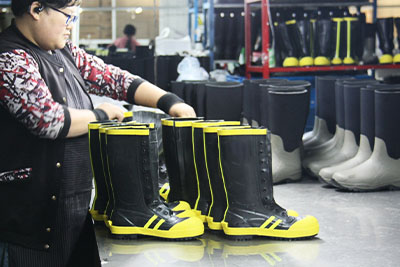
Trenboo serves as a trusted manufacturing partner for premium vulcanized rubber wellington boots. This includes insulated models built for snow and ice performance. The modern facility sits in Hebei Province. It features 15 rubber mixers, 6 production lines, 4 vulcanizers, and supporting laboratory testing equipment. Daily capacity reaches approximately 5,000 pairs. Monthly output stands at 130,000–150,000 pairs.
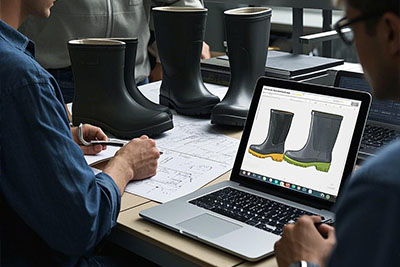
For brands and retailers developing or expanding winter wellington lines, Trenboo provides flexible ODM/OEM collaboration. The company supports custom neoprene or wool linings, advanced traction soles, high-natural-rubber compounds, and full design customization. Options cover lasts, insulation, logos, and textures. Efficient sampling and production timelines help bring differentiated, high-performance products to market.
Contact the Trenboo team to discuss project specifications, request samples, or arrange a factory visit. These steps lead to tailored solutions that strengthen seasonal portfolios and meet professional demands in cold-weather markets.

 consult
 WHATSAPP
 leave message
 top
top