


Neoprene vs Rubber Wellies: What’s the Difference?
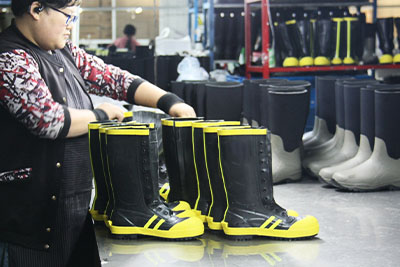
Material selection shapes the commercial success of wellington boot programs. Rubber wellies, neoprene wellies, and neoprene-lined rubber wellies all support waterproof protection, yet each construction performs differently in warmth, flexibility, cleaning, cost, and product positioning. For importers, wholesalers, workwear distributors, farm supply retailers, and private-label footwear brands, the right choice depends on climate, end-use intensity, target price, and seasonal assortment planning. Trenboo provides a relevant production reference for B2B projects that require material selection, custom development, and scalable wellies programs.
Traditional Rubber Wellies
What Are Traditional Rubber Wellies?
Traditional rubber wellies use a waterproof rubber upper and sole structure to block rain, mud, wet grass, and standing water. In B2B product lines, this type remains a core category because it is familiar, easy to merchandise, and suitable for mainstream outdoor applications.
Rubber wellies can be developed as tall, mid-calf, ankle, Chelsea, kids, garden, farm, and outdoor styles. The material also supports matte, glossy, textured, printed, and solid-color finishes for utility and lifestyle rain boot ranges.
Pros
Rubber wellies offer strong waterproof performance when the structure is properly formed and tested. Smooth rubber surfaces are easy to clean, which matters for garden centers, farm stores, outdoor retailers, and occupational footwear distributors.
Main commercial advantages include:
-
Reliable waterproof protection
-
Simple cleaning after mud exposure
-
Strong abrasion performance
-
Broad styling flexibility
-
Competitive cost for volume orders
Cons
Rubber can feel colder in winter when no thermal lining is added. It can also feel stiffer than neoprene during walking, bending, kneeling, or field work. Full rubber structures may be heavier than lightweight lined alternatives, especially in tall outdoor boots.
For procurement planning, rubber-only wellies are strongest in mild climates, spring rain programs, garden footwear, kids’ collections, and price-sensitive wholesale channels.
Neoprene Wellington Boots

What Is Neoprene in Wellies?
Neoprene is a synthetic rubber foam material known for insulation, elasticity, cushioning, and water resistance. In wellington boots, neoprene is commonly used as an upper component, collar, shaft section, or internal lining. Its closed-cell structure helps retain warmth while adding a soft and flexible feel.
Pros
Neoprene improves flexibility around the ankle and calf, which supports long-duration wear in outdoor labor, farming, fishing, equestrian, hunting, and winter retail assortments.
Key commercial benefits include:
-
Better thermal insulation than unlined rubber
-
Softer feel for prolonged standing or walking
-
Flexible movement in field and farm applications
-
Good cushioning inside premium waterproof footwear
-
Strong winter and outdoor performance positioning
Cons
Neoprene is usually harder to wipe clean than smooth rubber because fabric-faced surfaces can hold dirt. It may also increase material cost, which can affect FOB pricing, retail margin, or promotional price points.
In warm climates, neoprene can trap heat. This makes it less suitable for summer-only ranges, humid markets, or high-temperature work settings unless the design is carefully balanced.
Neoprene-Lined Rubber Wellies
Best of Both Materials
Neoprene-lined rubber wellies combine a waterproof rubber shell with an insulating neoprene interior. The rubber exterior protects against mud, water, and abrasion, while the neoprene lining improves warmth, cushioning, and fit. This structure is practical for higher-value outdoor collections.
Main Benefits
The hybrid construction reduces the trade-off between waterproof protection and comfort. It is suitable for colder climates, premium farm boot ranges, fishing footwear, winter garden ranges, and outdoor workwear channels.
Typical benefits include:
-
Waterproof outer protection
-
Warmer internal boot environment
-
Better padding during long shifts
-
Improved retail perceived quality
-
Stronger autumn and winter appeal
Sourcing Notes
Hybrid boots require more control in bonding, lining placement, rubber thickness, last fit, and vulcanization. Poor construction may cause lining detachment, discomfort, water leakage, or uneven fit. Sample review should include flex testing, leak testing, lining adhesion checks, and weight comparison.
Which Material Fits Different B2B Applications?
Farming and Agriculture
Agricultural footwear often faces wet soil, animal areas, mud, fertilizer residue, and long standing time. Rubber wellies work well for easy cleaning and waterproofing. Neoprene-lined rubber boots offer a better option for cold mornings, winter feeding, and long field work.
Outdoor Retail and Country Stores
Outdoor and country retail buyers usually require a wider assortment. Rubber ankle wellies, Chelsea rain boots, mid-calf styles, and tall outdoor wellies can serve different customer groups. Neoprene styles add stronger cold-weather differentiation, while classic rubber styles keep price points accessible.
Kids’ Rain Boot Programs
Kids’ wellies require lightweight feel, easy-on construction, secure outsole grip, flexible movement, and attractive designs. Rubber remains the main material for colorful printed styles, patches, handles, gussets, and seasonal lining choices. Neoprene components can be useful for colder regions, but excessive thickness may reduce flexibility for small sizes.
Workwear and Safety Channels
Industrial, fishery, cleaning, food processing, and outdoor maintenance footwear needs waterproof reliability and sole performance. Rubber is preferred for its cleanability and durable shell. Neoprene lining adds value when workers operate in cold, wet locations.

How Should Buyers Compare Rubber and Neoprene Wellies?
Warmth and Flexibility
Rubber-only boots provide basic weather protection but limited insulation. Neoprene and neoprene-lined rubber boots perform better in cold conditions because the inner material helps retain warmth. Neoprene is also usually more flexible than full rubber, supporting better movement around the foot, ankle, and calf.
Cleanability and Durability
Smooth rubber is easier to rinse and wipe. Neoprene-faced surfaces need more drying and care after heavy mud or water exposure. Rubber performs strongly against abrasion and wet ground, while neoprene improves cushioning and internal comfort.
Value and Range Planning
Rubber wellies generally support stronger entry-level pricing. Neoprene and neoprene-lined styles support premium positioning, higher comfort claims, and stronger winter selling points. The best value depends on sales channel, climate, expected retail price, and return-rate tolerance.
What Quality Checks Matter Before Bulk Orders?
Material and Waterproof Testing
Material review should cover rubber compound, sheet thickness, lining type, boot weight, shaft flexibility, and upper softness. Waterproof footwear also requires consistent leak testing after production. Small pinholes, weak vulcanization, seam issues, or bonding defects can create costly after-sales problems.
Outsole Grip and Fit
Outsole design affects field stability, mud release, shock absorption, and walking comfort. Deeper lugs suit farms and outdoor work. Cleaner tread patterns suit city rain boots and fashion wellies. Fit approval should include wide-calf patterns, ankle support, heel hold, toe room, instep height, size grading, and kids’ easy-on features.
Packaging and Compliance
Retail-ready packaging should match distribution channels. B2B programs may require carton strength, hangtags, shoeboxes, labels, care cards, barcode placement, and market compliance documentation. For European-oriented ranges, chemical compliance and responsible material claims should be checked early in development.
OEM/ODM Design Choices for Private-Label Wellies
Upper Customization
Private-label wellies can be customized through boot height, overlay shape, gusset design, buckle placement, top binding, backstay, printed upper artwork, color system, and surface texture. Rubber uppers offer strong flexibility for branded visual identity.
Lining and Seasonal Options
Cotton, polyester, artificial fur, neoprene, and mixed linings can support different price points and climate needs. Neoprene is best positioned for cold-weather performance, while lighter linings can support spring, summer, and general rainwear programs.
Sole and Structure Options
Vulcanized rubber soles support heavy-duty outdoor use, while lighter sole structures can reduce weight for casual rain boot programs. Construction choice should match channel expectations, application intensity, and target retail price.
FAQ
Are rubber wellies or neoprene wellies better for wholesale ranges?
Neither material is better for every range. Rubber wellies are stronger for easy cleaning, value pricing, and mainstream rainwear. Neoprene wellies are stronger for warmth, flexibility, and premium outdoor positioning.
Are neoprene-lined rubber wellies worth the higher cost?
Neoprene-lined rubber wellies can justify higher cost in cold, wet, and outdoor work markets. They combine a waterproof rubber shell with added insulation and comfort, making them suitable for premium seasonal collections.
Which material is best for kids’ wellies?
Rubber is often the most practical material for kids’ wellies because it supports colorful designs, easy cleaning, and flexible product development. Neoprene or warm linings can be added for winter collections when weight and flexibility remain controlled.
Conclusion
For importers, wholesalers, retailers, workwear distributors, and private-label footwear brands, material choice should be connected to climate, application, target cost, and long-term assortment strategy. Rubber wellies support broad waterproof demand, neoprene improves warmth and flexibility, and neoprene-lined rubber construction creates a premium option for demanding wet-weather markets.
Trenboo is more than a wellies manufacturer, supplier, and factory. As a footwear development partner, Trenboo supports customers throughout the entire product creation process, including design consultation, product development, joint R&D, prototyping, custom sampling, OEM/ODM manufacturing, and large-scale production. Whether launching a new private-label collection or expanding an existing footwear range, Trenboo helps brands bring innovative waterproof footwear concepts to market efficiently and at scale.

 consult
 WHATSAPP
 leave message
 top
top