


Related news
-
From Queen Victoria to City Streets: The Evolution and Superiority of Chelsea Rain Boots
-
What Makes the New Foldable Rain Boots from Trenboo Truly All-Terrain Ready?
-
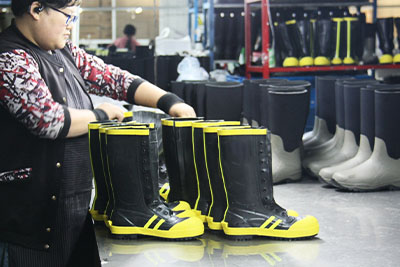
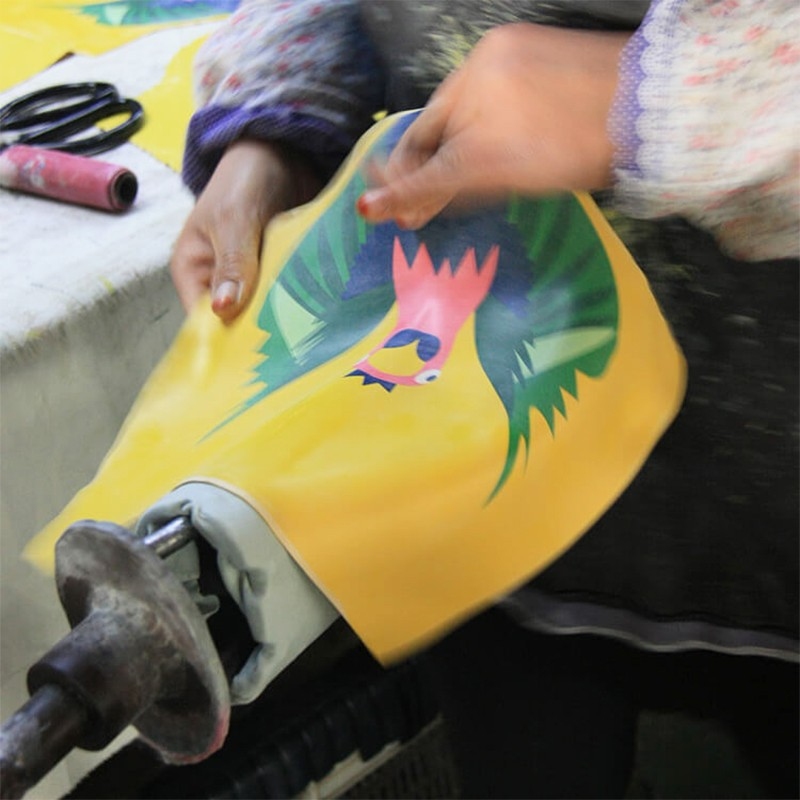
How Does a Leading Rubber Boot Manufacturer Produce High-Quality Rubber Rain Boots?
-
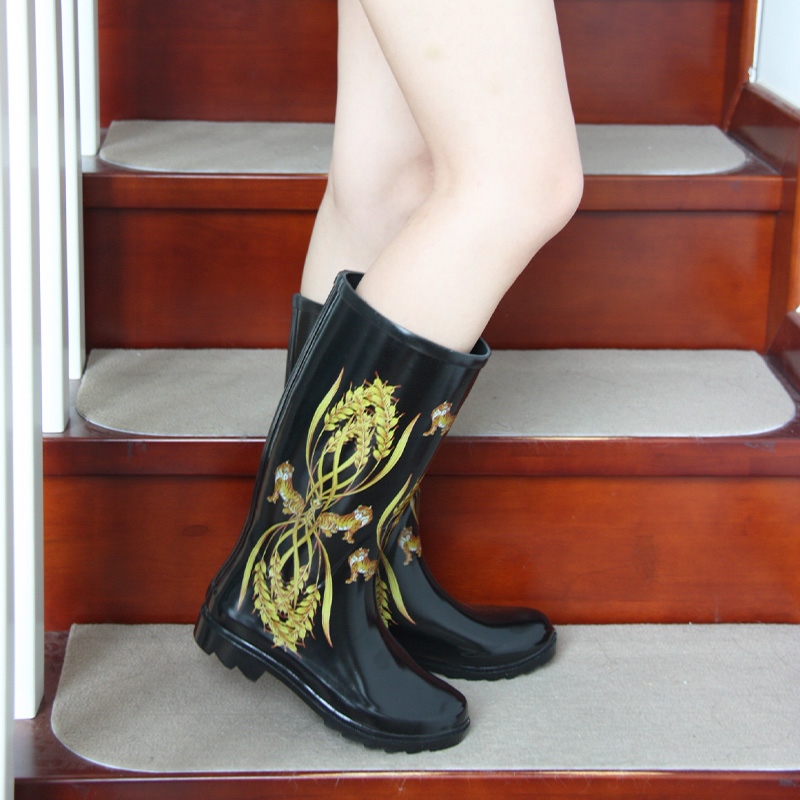
How Do Print Rubber Boots Combine Chinese Symbolism with Modern Rainwear?
What Makes the New Foldable Rain Boots from Trenboo Truly All-Terrain Ready?
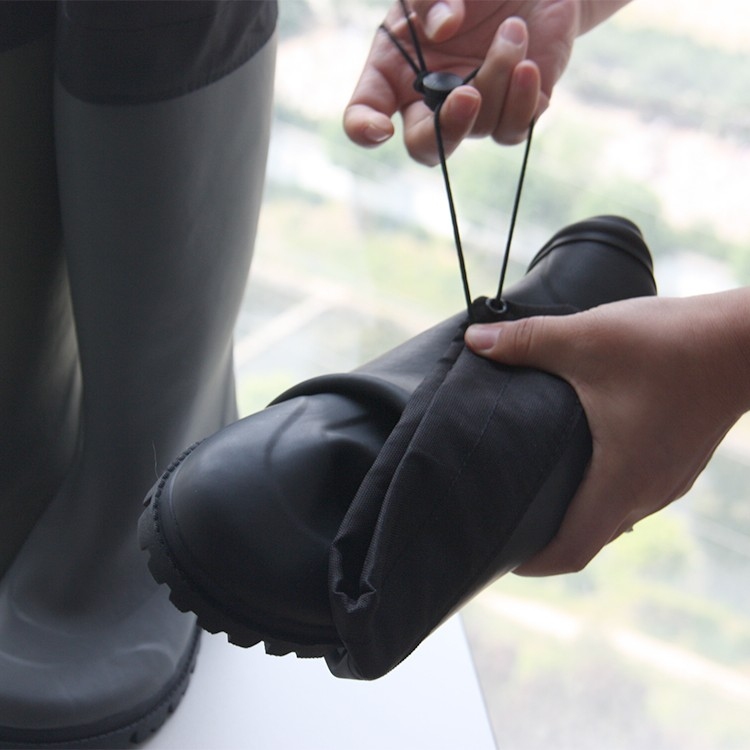
Foldable rain boots have changed from simple waterproof shoes into handy items for dealing with bad weather and different kinds of ground. These boots mix easy carrying with strong protection. Users can pack them small while keeping feet dry in quick rains or long time outside. The newest version comes with molded soles. This fixes old problems of earlier types, especially those with calendar soles that focused on ease rather than tough performance. Click here to watch the video.
What Made Calender-Sole Foldable Rain Boots Good — and Where They Fell Short
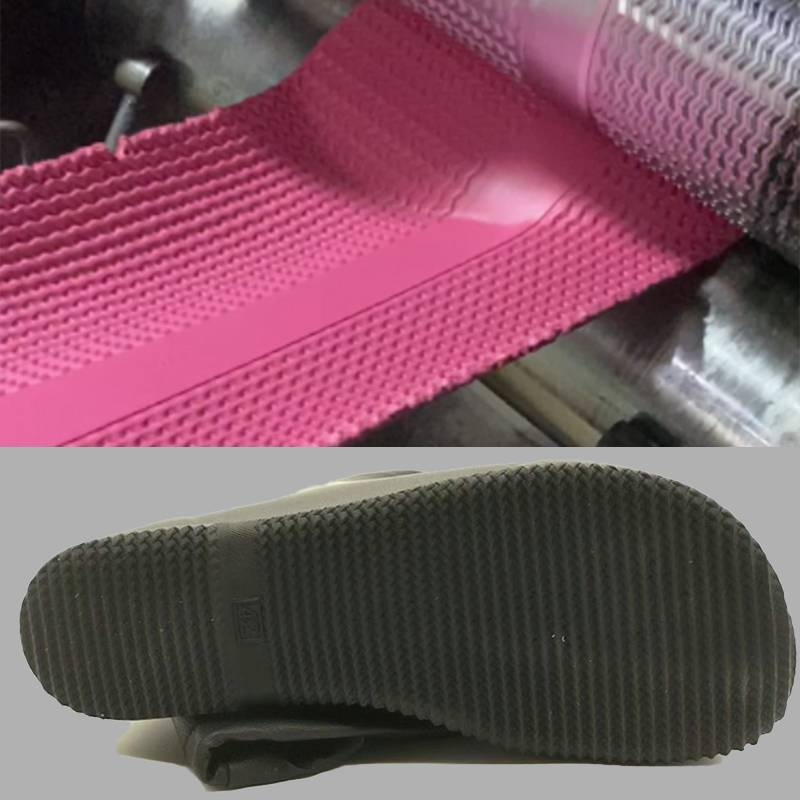
Calender (or “calendar”) soles have been common in light rain boots and wellies for a long time. In the calender sole method, sheets of natural or synthetic rubber get rolled flat by machines. Then they get patterns pressed in, heated to harden, cut, and shaped for the boot.
The good points of calender-sole boots were:
Waterproof, slip-resistant, and tough in usual wet weather.
Flexible and easy to bend — so boots could fold up, squeeze small, and store or travel without trouble.
Cheap to make without special molds, which let makers adjust sizes and options easily.
These features made calender-sole boots great for everyday rain, city walks, gardening, or simple outdoor jobs. For travelers, festival visitors, or regular rainy-day people — their low weight, ability to fold, and waterproof nature were really useful.
However, when users tried off-road walks, hiking paths, bumpy, muddy, or rough ground — calender-sole boots showed weak spots. The thin sole stayed flexible but lacked strong build and cushion for hard land. Also, the grip design and sole shape — made for smooth wet areas — often gave poor hold or lasted short on uneven surfaces.
Why the Molded-Sole Upgrade Matters: Bridging Foldability With All-Terrain Performance
The new foldable rain boot from Trenboo now has a molded sole instead of the calendered one. Knowing what this change means shows why it improves the boot so much.
What Is a Molded Sole?
A molded sole gets made by pushing or squeezing rubber (or rubber mix) into a special mold. This mold sets the sole’s form, thickness, and tread design. The method creates a sole with better strength, even thickness, and room for deeper or sharper tread patterns — things that matter for off-road, work, or rough-ground shoes.
Compared to calendered soles:
Molded soles give more toughness and resistance to scratches, which helps a lot on rocky, muddy, or bumpy land.
The sole’s form and firmness can be built for better cushion and comfort. This cuts down shock on uneven paths.
With a molded sole, grip patterns can be made for steady hold on all kinds of ground, not only smooth wet spots — like mud, dirt, forest floors, or bumpy outdoor areas.
Maintaining Foldability + Expanding Capability
A big challenge for foldable boots is keeping them bendy while adding power. In the past, foldable boots put compactness, low weight, and ease first for city or light use. The move to a molded sole — while keeping the foldable part — means the boot can now handle more. It works well for:
Off-road walks and hikes
Muddy, bumpy, or rocky ground
Outdoor jobs, camping, gardening, or farm tasks
Mixed situations: travel plus adventure, city plus country, rainy days plus outdoor trips
This mix of features (foldable + all-terrain molded sole) marks the next step for foldable wellies — bringing easy carrying and toughness together.
How Trenboo’s Foldable Molded-Sole Rain Boots Are Built
Trenboo — a factory with many years of experience — uses strong skills to make sure the new boot is high quality. Some key points about the factory and production:
A big production site: roughly 20,000 m², with over 260 employees, and a capacity of up to 150,000 pairs per month.
Follows environmental and safety rules: use of GRS-certified materials, and adherence to EU REACH requirements.
Flexible OEM/ODM options: customizable sizing (adult unisex EU 36–46), sole patterns, upper colors, linings — giving choices for various markets.
Materials and build made for waterproofing, slip-resistance, shock absorption, and lasting strength even in hard conditions (temperature, wear).
Thus, Trenboo’s way makes sure the foldable molded-sole rain boots are real, ready-for-market items. They can be made in large numbers for worldwide supply and trusted for tough outdoor needs.
Use Cases: When These Boots Excel
With foldability and strong molded soles together, these boots open up many situations where regular rainboots or old foldable ones would fail. Some best uses:
Outdoor trips: camping, hiking, forest paths, muddy fields — where ground changes fast and grip counts.
Farm, garden, or hard outdoor work: good hold and tough build suit agriculture, gardening, farm jobs, muddy yards, or landscaping.
Travel & changing weather: easy folding helps packing; molded sole gets ready for muddy roads, country paths, or wet dirt tracks.
Mixed city/country travel: for people going between streets and rural spots — giving rain protection and off-road ability.
Emergency or utility needs: in flood areas, rainy work sites, field jobs, or disaster help where carrying ease and all-terrain grip both matter.
What to Expect: Performance, Comfort, and Longevity
From how molded soles work in shoes generally — and with Trenboo’s material and production standards — the new foldable molded-sole rain boots should deliver:
Better hold and balance on bumpy, wet, or muddy ground — deeper lugs or tread designs built for real grip, not just slip-resistance on flat wet spots.
Improved cushion and resistance to wear, so less sole damage in rough use and more comfort on long walks.
Strength and waterproof trust, thanks to seamless rubber build and solid molding — likely to last longer than thin-soled calender boots in hard conditions.
Simple care and easy carrying: though heavier than very light city rain boots, the foldable design still works well for storage, travel, or moving around.
Overall, the change should make the boots much more useful. It turns them from basic “rain city boots” into true all-terrain wellies.
Why This Innovation Matters in the Context of Rain Boots and Outdoor Footwear
The shift from calender-sole foldable boots to molded-sole foldable boots shows a larger move in outdoor shoes: mixing ease with real power. In the past, foldable rain boots stayed as special items — good for light rain, travel, or city needs; seldom used for hikes, outdoor work, or mixed ground. Traditional hiking or work boots gave tough performance but had no foldability or easy carry.
Trenboo’s new model closes that gap. It points to a time when rain boots work not just on wet sidewalks but on muddy paths, country roads, farms, gardens, or any place needing waterproofing, grip, and flexibility — yet still easy to pack and store.
For manufacturers and suppliers, this also means growing need for multi-use, hybrid shoes that serve both light and hard users. For buyers (or end-users), it means one pair can handle many conditions — city rain, country paths, travel, trips, or work.
Potential Considerations and Trade-offs
Of course, no design is without flaws. The move to a molded sole brings benefits but also some downsides:
Heavier weight than very light calender-sole boots (though still lighter than many traditional work boots).
Slightly less easy folding or squeezing — depending on how thick the molded sole is.
Maybe higher price, because of the more complex molding step and extra material.
Less soft feel on smooth surfaces compared to thin, bendy calender soles (though made up for by better balance and strength on rough ground).
These downsides are normal when trying to balance ease and power. Still, for the main uses — all-terrain, mixed weather, outdoor work or travel — the good points probably win over the weak ones.
Conclusion
The new foldable rain boots from Trenboo mark a big advance in rain boot design: they keep the space-saving and portable benefits of foldable boots while adding the toughness and grip of molded-sole outdoor shoes. This change turns foldable rain boots from basic urban rain gear into real versatile, all-terrain wellies — fit for muddy paths, farms, gardens, travel, hard outdoor jobs, or just changing weather and ground.
With Trenboo’s long manufacturing background, global standards, and customizable production options, the new molded-sole foldable rain boots are more than a small new idea — they are useful, large-scale answers for anyone wanting waterproof boots that pack small and handle real-world terrain.
Unlock the Future of All-Terrain Foldable Rain Boots
Experience the next generation of rain boots with Trenboo’s foldable molded-sole design. For businesses or distributors seeking reliable, all-terrain, foldable rubber wellies — whether for outdoor work, travel markets, or adventure gear — contact Trenboo to explore wholesale, OEM/ODM customization, and bulk manufacturing. Visit Trenboo’s website to discover their full range of waterproof wellies and request a sample today.
FAQ
Are foldable rain boots suitable for off-road use?
Yes. Models with molded soles offer stronger grip and durability, making them suitable for off-road and uneven terrain.
What materials are used in foldable rain boots?
They are usually made from natural rubber or flexible synthetic rubber designed to stay waterproof and elastic.
Will foldable rain boots lose shape after folding many times?
Quality foldable boots are engineered to keep their shape and waterproof performance even after repeated folding.
Why choose foldable rain boots over traditional ones?
They are lightweight, easy to store, travel-friendly, and newer models can still perform well on all types of terrain.

 consult
 WHATSAPP
 leave message
 top
top