


Notícias relacionadas
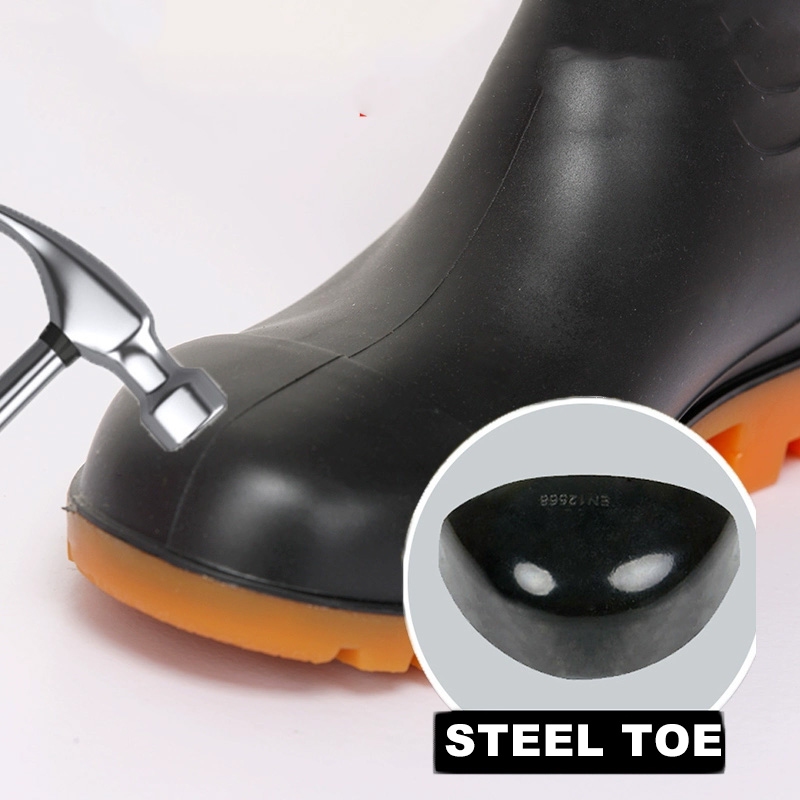
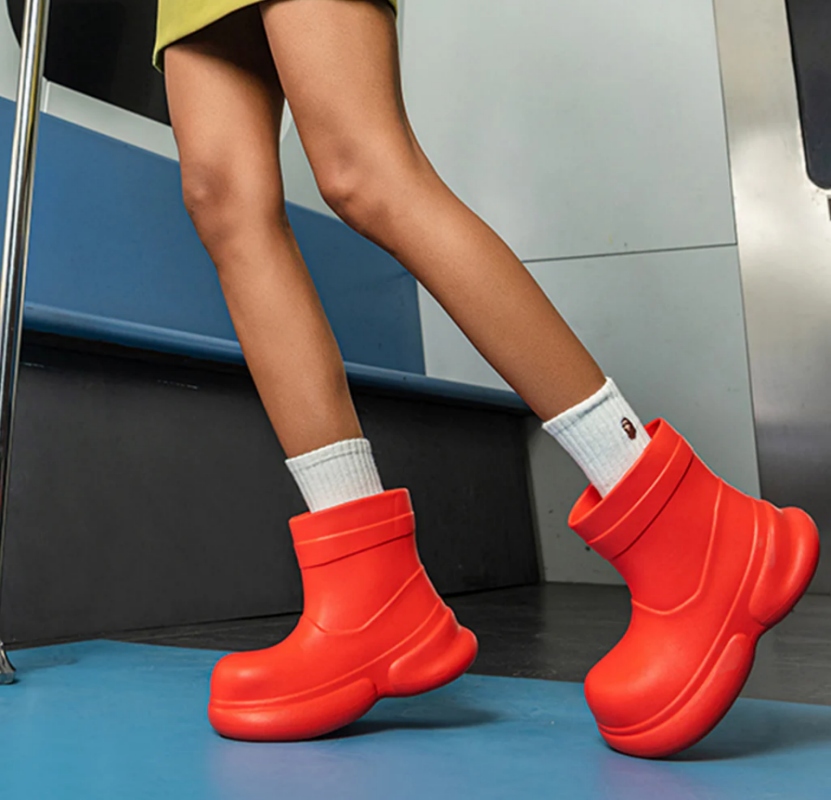
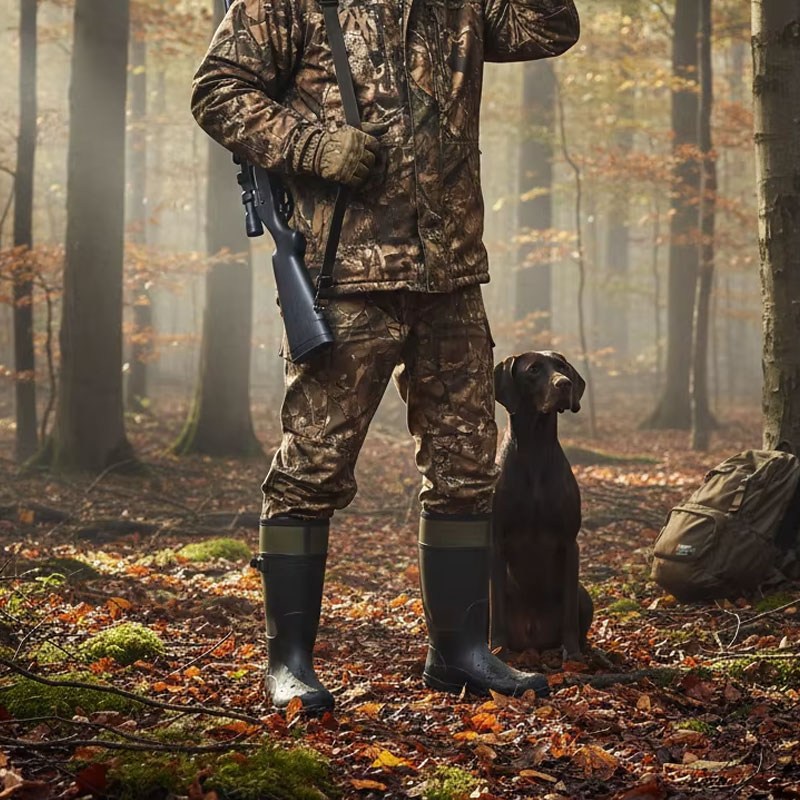
Wellington Boot Sizing Explained: Achar Optimal Fit for Performance and Durability
Botas de Wellingtontambém conhecidos como poços ou botas de chuva, desempenham papeis importantes na agricultura, construção, recreação ao ar livre e aplicações industriais. Nestas áreas, a proteção da água, lama e condições duras permanecem essenciais. O tamanho adequado afeta o conforto, a segurança e o tempo que as botas duram. Isto é especialmente verdade em situações de produção de alto volume grossista ou personalizada. Fatores como comprimento de pé, circunferência de vitelo, composição material e uso previsto decidem se uma bota dá desempenho confiável. Ao mesmo tempo, mantém boa mobilidade e evita uso precoce.
Trenboocomo principal fabricante e fornecedor de botas de borracha vulcanizada de prémio, ajuda marcas e grossistas com soluções de tamanho exato e amplas capacidades de personalização.

Entender o tamanho do bote Wellington e os Fundamentais
O tamanho exacto começa com uma verificação completa das dimensões dos pés e detalhes da construção das botas. As botas de Wellington geralmente têm um design atraído sem laces. Portanto, as pessoas precisam prestar atenção ao volume geral, segurança dos calcanhos e flexibilidade do cabo. Esses pontos vão além das medidas padrões de calçado.
Dimensões chave no tamanho de Wellington Boot Sizing
Medição da comprimento do pé: A medida principal inclui rastrear o pé enquanto estás de pé com o peso espalhado uniformemente. Então medir do calcanho até o dedo mais longo. Este passo considera a expansão natural dos pés durante a atividade. Os padrões da indústria sugerem medir ambos os pés. Variações até meio tamanho frequentemente acontecem.
Considerações de Largura e Volume do Pedro: A largura na bola do pé e o volume de instep influenciam como a bota se encaixa sem pontos de pressão. Os pés de alto volume podem precisar de mudanças na última forma para parar a tensão. Os pés de baixo volume ganham de um salto reduzido através de um tamanho cuidadoso.
Circumerência de Calf e Altura de Shaft: A medida de veal, tomada no ponto mais amplo, normalmente varia de 38 cm para mulheres padrões’ Estilos até 41 cm ou mais para homens’ s. Opções de carne de joelho alto ou médio requerem verificação em relação à altura do chão de boot. Isso garante livre movimento. A adaptabilidade para diferentes tamanhos de vitelo é melhorada por insetos ajustados ou seções elásticas de neoprenos.
Impacto dos Materiales na Consistencia Fit
O borracho vulcanizado fornece forte proteção de água, mas mostra uma extensão limitada em comparação com os híbridos neopreno ou EVA. A neoprena adiciona isolamento e flexibilidade. Eles podem mudar a condição percebida em ambientes frios ou húmidos. compostos de borracha mais grossos melhoram a longevidade em ambientes industriais. Mas eles podem precisar de pequenos ajustes de tamanho para camadas com meias de trabalho.
Os botes de Wellington são supostos a se encaixar em Loosely?
As botas de Wellington frequentemente usam uma cama mais adequada. Esse design permite meias mais espessas, insóis ou camadas térmicas. A abordagem funciona bem em aplicações de trabalho agrícola ou externa. Uma prestação moderada evita a estreitação enquanto mantém o taco agarrado durante um longo uso.
Reasons for Designed Roominess in Wellies
Construções de habitação sustentam floça ou revestimentos neoprenos para controle da temperatura. Eles fazem isso sem limitar o fluxo sanguíneo. No terreno mudo ou em mudança, esse design reduz a fadiga. Isso permite que o movimento menor dos pés ocorra enquanto a sola dá tração.
A liberdade excessiva, no entanto, causa deslizamento do talão, formação de folhas e menor estabilidade. - Testar protocolos na fabricação focam no equilíbrio. A bota segura o tornozelo sem picar. Ao mesmo tempo, permite fácil dançar e doffing.
Axustes para cenários óptimos de desemprego
A inserção de insolos removíveis ou suportes ortóticos ajuda a ajustar o volume. A seleção de estilos com contadores reforçados dá melhor fechamento. Parejar com meias de umidade enche pequenas lacunas sem compressão.
Como os botes de Wellington deveriam ser adequados para uso profissional?
O encaixo ideal proporciona uma segurança no tornozelo. Isso reduz o movimento lateral. Também oferece espaço suficiente para a espécie natural durante a caminhada. - A alojamento flexível de vitelo suporta a gama de movimento. Em ambientes de trabalho, essa configuração mantém força protetora. Também reduz o risco de lesões por deslizamentos ou fadiga.
Normas de segurança de Ankle e Heel
A área do tornozelo deve ficar confortável sem lacunas. As lacunas deixam os resíduos entrar ou causam muito movimento. O elevador de gelo durante o passo mostra volumes insuficientes ou última forma errada. Esses problemas aparecem muitas vezes e são resolvidos através das últimas modificações na produção personalizada.
Requisitos de espaço de Toe Box e Forefoot
O comprimento suficiente impede o contato dos dedos com a frente durante atividades descendentes ou inclinadas para frente. As diretrizes profissionais recomendam cerca de um pulgar. a largura do espaço. Essa quantidade se ajusta pela espessura da meia e duração da atividade.
Calf Fit Dynamics
Um encaixo seguro e não restritivo de vitelo mantém a bota em posição durante as tarefas de joelho ou escalada. Os vitelos muito apertados criam desconforto e problemas de circulação. Os abrigos soltos enfraquecem focos resistentes à água.
Os Wellies deveriam ser rigorosos ao redor do Calvo?
O calf fit deve focar na segurança sem restrição. - Botas de Wellington de carne média e de joelho de altura geralmente medim 40-46 cm em altura de cabeça. A circunstância permanece projetada para flexibilidade. Características ajustadoras como cintas de gusset ou fechos permitem ajustamento fino para diferentes perfis de usuários em distribuições por grosso.
Avaliar a rigidez do carne em aplicações diferentes
Na agricultura ou construção, compressão moderada de vitelo ajuda a estabilidade. Deve evitar pontos de pressão. Neoprena ou inserções elásticas aumentam a gama de tolerância. Elas lidam com inchaços estacionais ou roupas camadas.
Soluções para exigências de carne mais amplas
Estilos com gussets expandíveis ou painéis de estilo funcionam bem. Os últimos desenvolvimentos personalizados alargaram o barro enquanto mantêm o tornozelo em posição. Seleções de materiais como maior conteúdo natural de borracha fornecem um dado sutil. Eles fazem isso sem perder durabilidade.
Por que as botas de Wellington são frequentemente projetadas um pouco de tamanho excessivo?
Os fabricantes acrescentam um pouco excessivo. Isso ajuda a camada, melhora a respirabilidade em construções vulcanizadas, e aumenta o conforto geral em termos extremos de temperatura. Este método suporta materiais de isolamento. Também evita a ligação durante o uso prolongado.
Design Rationale for Oversize
O alojamento de meias grossas ou revestimentos removíveis funciona para aplicações de inverno. A autorização para inchaço de pés aparece em condições quentes e húmidas comuns no trabalho externo. A facilidade de remoção aumentada acontece em ambientes de lama. Ele reduz os riscos de contaminação cruzada.
Estratégias de Mitigação Quando Occurso Supergrande
Axustes de meio tamanho, combinados com insois ou pares de meias mais espessas, restauram o equilíbrio. Na produção, a última engenharia precisa reduz a necessidade de tais correções.

Protocolos Avançados de Medição para Botas Wellington
O tamanho profissional vai além do comprimento básico. Ela inclui verificações multipontos para a correspondência de volume e contorno.
Processo de medição de pé e veal passo a passo
-
Fiquem em uma superfície firme com distribuição de peso equilibrada.
-
Procurar o contorno dos pés e medir o comprimento do talão ao pé em centímetros ou polegadas.
-
Largura da bola de gravação, circunferência de instep e cintura de veal em múltiplas alturas.
-
Comparem-se com gráficos padronizados enquanto fatoram em meias e espessura in ósola.
-
Teste adequado aos movimentos representativos de atividade se amostras estiverem disponíveis.
Erros de tamanho comum na aquisição em massa
Confiando apenas em tamanhos padrão de sapatos ignora as últimas variações específicas de marca. Ignorar inchaços no tempo do dia pode aumentar o volume de pés em até 5-8%. A sobrevivência das diferenças entre os pés esquerdo e direito ou a falta de contabilização dos requisitos específicos para o trabalho cria problemas.
Gráficos de tamanho e considerações de conversão para mercados globais
O tamanho das botas de Wellington muda em todos os sistemas americanos, britânicos e da UE. - Mesas de conversão precisas tornam-se necessárias para o grande mercado internacional.
Exemplo Wellington Boot Size Reference Chart
| Tamanho dos EUA | Tamanho do Reino Unido | Tamanho da UE | Longitude do pé (polegadas) |
|---|---|---|---|
| 5 | 3 | 36 | 8.7 |
| 6 | 4 | 37 | 9.1 |
| 7 | 5 | 38 | 9.4 |
| 8 | 6 | 39 | 9.8 |
| 9 | 7 | 40 | 10.2 |
| 10 | 8 | 42 | 10.6 |
Axustes para meios tamanhos e opções de largura melhoram a precisão em ordens personalizadas. As marcas devem verificar se o fabricante específico dura. As botas de borracha vulcanizadas podem funcionar diferentemente de cimentados ou híbridos neoprenos.
Influências materiais e de construção em adequação a longo prazo
Seleção de compostos de goma, tipo de revestimento e tecnologia externa juntos decidem como se adapta ao uso.
Opções de Goma Vulcanizada contra Neoprene e EVA
O borracho vulcanizado oferece uma proteção de água superior e resistência química aos poços industriais. Tem flex inicial limitado. A neoprena melhora a isolação e elasticidade. Os exteriores da EVA reduzem peso e aumentam a absorção de choque para o conforto todo o dia.
Oportunidades de personalização na Wellington Boot Production
Para grossistas e marcas buscando diferentes produtos, a personalização cobre durações, materiais e características. Esses otimizam para os mercados alvo.
A engenharia final e extraordinária de sapatos
A duração personalizada corresponde a formas específicas de pés, largura ou necessidades de desempenho. - Variações externas - moldados vulcanizados para cushioning ligeiro ou borracha cimentada para gripe pesada - trabalham com ajustes de tamanho.
Lining, Upper, e Logo Integration
As opções incluem algodão, floça polar, pele ou neopreno de várias camadas para propriedades térmicas ou respiratórias. - Texturas superiores, cores através da correspondência Pantone, e colocação de logotipo estratégico mantêm identidade de marca. Eles não afetam a adaptação do núcleo.
Processos ODM/OEM para soluções de tamanho preciso
O desenvolvimento começa com breves de design e criação de amostras em 15 dias. Isso permite revisões melhorar as últimas formas e dimensões de vitelo. - Planos de produção em massa de aproximadamente 45 dias asseguram escalabilidade enquanto mantêm padrões de qualidade.
Perguntas Frequentemente Fazidas
Como compradores em massa podem verificar a precisão do tamanho das botas de Wellington em todas as corridas de produção?
A última utilização consistente, combinada com testes de lote e especificações detalhadas de medição em ordens, mantém a uniformidade. As amostras devem ser submetidas a ensaios de aptidão em condições de trabalho simuladas.
Que papel desempenha a medição do vitelo na prevenção de retornos para ordens de grosso?
Dados precisos de vitelo reduzem problemas de incumprimento, particularmente para estilos de joelho alto. Fornecer opções de intervalo ou características ajustadas minimiza discrepâncias em diferentes bases de usuários.
Como diferentes linhas influenciam o tamanho recomendado em projetos de arranque personalizados?
Neoprene ou floce linings adicionam volume. Eles muitas vezes requerem um pequeno aumento em comparação com construções de borracha não lixadas. As especificações devem detalhar as expectativas de camada durante a fase de projeto.
Será que os mosquiteiros ou cintas personalizados conseguem resolver desafios adequados para tamanhos variados de veais na produção?
Sim, elementos adaptáveis integrados expandem a compatibilidade. Elas preservam focos resistentes à água. Isso oferece flexibilidade para os requisitos regionais ou ocupacionais.
Conclusão
Trenboo fornece soluções de fabricação abrangentes para Wellington e botas de chuva. Estes incluem personalização de tamanho preciso, ODM colaboração em design, e produção de alta capacidade OEM. Com instalações avançadas de vulcanização, patenteadas as últimas inovações, e um compromisso com qualidade, ambiente, tecnologia e garantias de serviços, parceiros de Trenboo com marcas e grossistas. A empresa ajuda a desenvolver botas duradouras e bem adaptadas para demandas específicas do mercado. Contacte a equipe hoje para discutir o último desenvolvimento personalizado, seleções de materiais, produção de amostras ou especificações de ordem em massa para desempenho superior em sua próxima linha de produtos. Explorar capacidades completas através de compromisso direto para otimizar a aptidão, funcionalidade e escalabilidade.

 consultar
 WHATSAPP
 deixar a mensagem
 cima
cima