


Notizie correlate
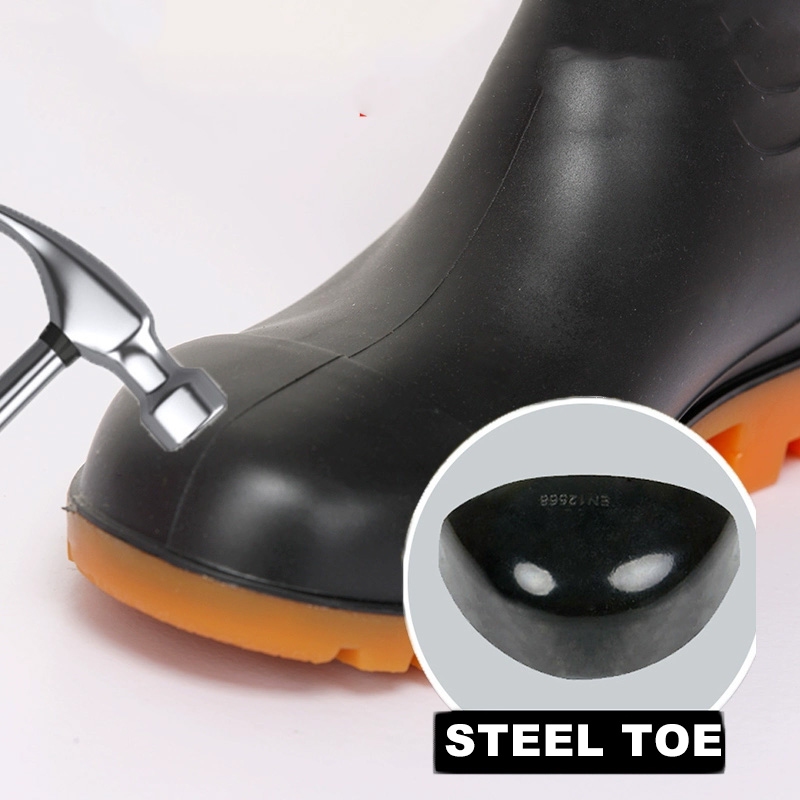
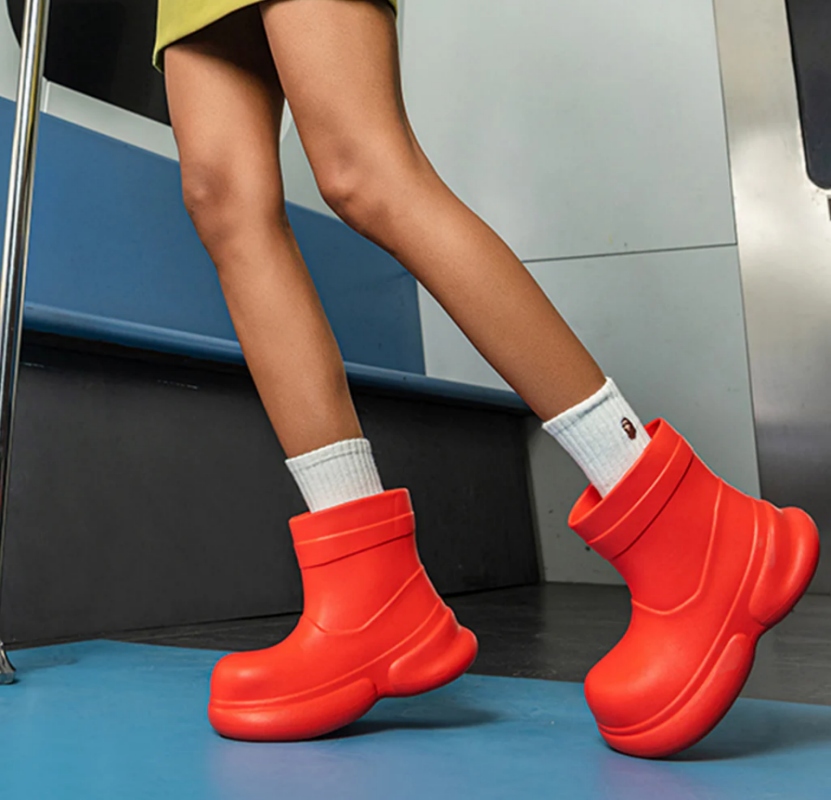
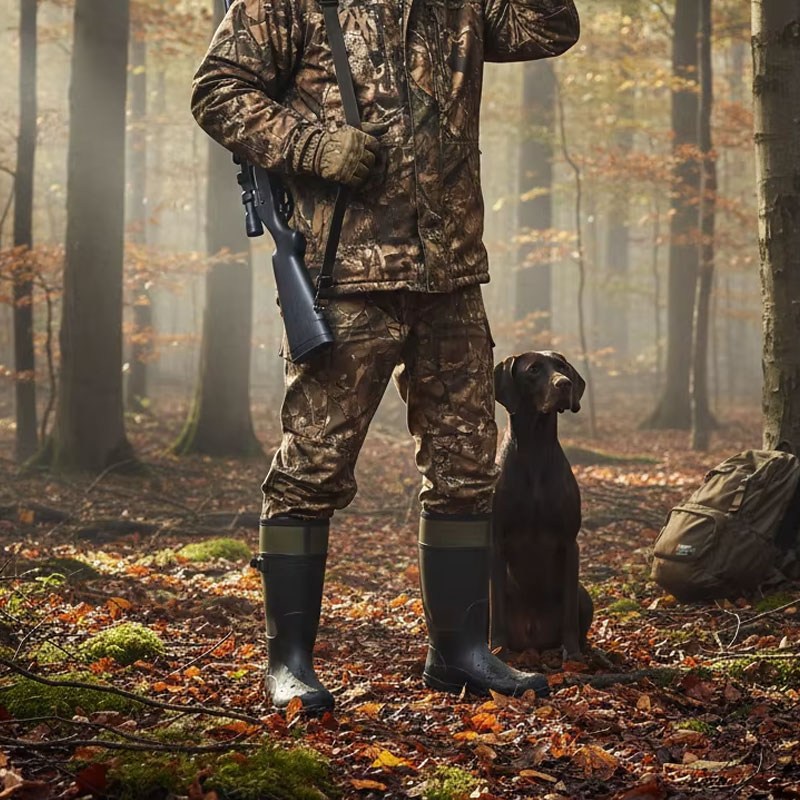
Wellington Boot Dimensioning spiegato: raggiungere l'adattamento ottimale per prestazioni e durabilità
Stivali WellingtonStivali da pioggia, conosciuti anche come wellies o stivali da pioggia, svolgono un ruolo importante in agricoltura, costruzione, ricreazione all'aperto e applicazioni industriali. In queste aree, la protezione dall'acqua, dal fango e dalle condizioni difficili rimane essenziale. La corretta taglia influisce sul comfort, sulla sicurezza e sulla durata degli stivali. Ciò è particolarmente vero in situazioni di produzione all'ingrosso o su misura di grandi volumi. Fattori come la lunghezza del piede, la circonferenza del vitello, la composizione del materiale e l'uso previsto determinano se uno stivale fornisce prestazioni affidabili. Allo stesso tempo, mantiene una buona mobilità ed evita l'usura precoce.
Trenboocome produttore e fornitore leader di stivali in gomma vulcanizzata premium, aiuta marchi e grossisti con soluzioni di dimensionamento esatte e ampie capacità di personalizzazione.

Comprendere le dimensioni degli stivali Wellington
La misurazione accurata inizia con un controllo completo delle dimensioni dei piedi e dei dettagli della costruzione dello stivale. Gli stivali Wellington di solito hanno un design pull-on senza lacci. Pertanto, le persone devono prestare attenzione al volume complessivo, alla sicurezza del tacco e alla flessibilità dell'albero. Questi punti vanno oltre le misurazioni standard delle calzature.
Dimensioni chiave in Wellington Boot Dimensioning
Lunghezza del piede misurazione: La misurazione principale consiste nel tracciare il piede in piedi con il peso distribuito uniformemente. Quindi misura dal tacco al dito più lungo. Questo passo considera l'espansione naturale del piede durante l'attività. Gli standard del settore suggeriscono di misurare entrambi i piedi. Spesso si verificano variazioni fino a metà dimensione.
Larghezza del piede e considerazioni di volume: La larghezza della palla del piede e il volume del piede influenzano come lo stivale si adatta senza punti di pressione. I piedi di volume superiore potrebbero richiedere cambiamenti nell'ultima forma per fermare la tenuta. I piedi a basso volume guadagnano dallo scivolamento del tacco ridotto attraverso un'accurata misurazione.
Circonferenza del vitello e altezza dell'albero: La misura del vitello, presa nel punto più largo, di solito varia da 38 cm per le donne standard’ stili fino a 41 cm o più per uomini’ s. Le opzioni al ginocchio o al vitello medio richiedono il controllo contro l'altezza dell'albero dello stivale. Ciò garantisce la libera circolazione. I gusset regolabili o le sezioni elastiche in neoprene migliorano l'adattabilità per diverse dimensioni del vitello.
Impatto dei materiali sulla coerenza
La gomma vulcanizzata fornisce una forte impermeabilità ma mostra una stretch limitata rispetto agli ibridi in neoprene o EVA. Le rivestimenti in neoprene aggiungono isolamento e flessibilità. Possono cambiare l'adattamento percepito in ambienti freddi o umidi. Composti in gomma più spessi migliorano la longevità in ambienti industriali. Eppure potrebbero richiedere leggere regolazioni delle dimensioni per lo stratificazione con calzini di lavoro.
Gli stivali Wellington dovrebbero adattarsi liberamente?
Gli stivali Wellington spesso usano una vestibilità più spaziosa. Questo design consente calzini più spessi, suole o stratificazione termica. L'approccio funziona bene in applicazioni di lavoro agricole o all'aperto. Una concessione moderata impedisce la tenuta mentre mantiene la presa del tacco durante un uso prolungato.
Motivi per la spaziosità progettata a Wellies
Le costruzioni più spaziose supportano rivestimenti in pile o neoprene per il controllo della temperatura. Lo fanno senza limitare il flusso sanguigno. In terreni fangosi o in cambiamento, questo design riduce la stanchezza. Permette un movimento minore del piede mentre la suola dà trazione.
L'eccessiva allentamento, tuttavia, provoca lo scivolamento del tacco, la formazione di vesciche e una stabilità inferiore. I protocolli di prova nella produzione si concentrano sull'equilibrio. Lo stivale sostiene la caviglia senza pizzicare. Allo stesso tempo, permette di indossare e soffocare facilmente.
Regolazioni per scenari Loose-Fit ottimali
L'inserimento di insole rimovibili o supporti ortotici aiuta a regolare il volume. La selezione degli stili con contatori del tacco rinforzati dà un migliore blocco. L'accoppiamento con calzini che eliminano l'umidità colma piccole lacune senza compressione.
Come si adattano gli stivali Wellington per uso professionale?
La vestibilità ideale fornisce una presa alla caviglia sicura. Questo riduce il movimento laterale. Offre anche spazio sufficiente per gli spruzzi naturali durante la passeggiata. L'alloggio flessibile del vitello supporta la gamma di movimento. In ambienti di lavoro, questa configurazione mantiene la resistenza protettiva. Inoltre riduce il rischio di lesioni da scivolamenti o affaticamento.
Standard di sicurezza della caviglia e del tacco
L'area della caviglia dovrebbe tenersi comodamente senza interruzioni. Le lacune lasciano entrare i detriti o causano troppo spostamento. Il sollevamento del tacco durante il passo mostra un volume insufficiente o un'ultima forma sbagliata. Questi problemi appaiono spesso e vengono risolti attraverso le ultime modifiche nella produzione su misura.
Requisiti di spazio per la casella e il piede anteriore
Una lunghezza sufficiente impedisce il contatto dei piedi con la parte anteriore durante le attività in discesa o in avanti. Le linee guida professionali raccomandano circa un pollice’ larghezza dello spazio. Questa quantità si regola per lo spessore del calzone e la durata dell'attività.
Dinamica Calf Fit
Sicuro ma non restrittivo calz mantiene lo stivale in posizione durante le attività di inginocchiamento o arrampicata. I vitelli troppo stretti creano disagio e problemi di circolazione. Gli alberi sciolti indeboliscono le tenute impermeabili.
I Wellies dovrebbero essere stretti intorno al vitello?
Calf fit deve concentrarsi sulla sicurezza senza restrizioni. Stivali Wellington da vitello medio e ginocchio di solito misurano 40-46 cm in altezza albero. Rimani di circonferenza progettati per la flessibilità. Caratteristiche regolabili come cinturine a gusset o fibbie consentono la regolazione fine per diversi profili utente nelle distribuzioni all'ingrosso.
Valutare la strettezza del vitello in diverse applicazioni
In agricoltura o costruzione, una moderata compressione del vitello aiuta la stabilità. Evitare i punti di pressione. Inserti in neoprene o elastici aumentano la gamma di tolleranza. Gestiscono gonfiore stagionale o vestiti a strati.
Soluzioni per esigenze più ampie di vitello
Gli stili con gusset espandibili o pannelli elastici funzionano bene. Ultimi sviluppi personalizzati allargano l'albero mentre mantengono la caviglia in forma. Selezioni di materiali come un contenuto di gomma naturale più alto forniscono un dono sottile. Lo fanno senza perdere la durata.
Perché gli stivali Wellington sono spesso disegnati leggermente sopradimensionati?
I produttori aggiungono un leggero oversizing. Ciò aiuta a stratificare, migliora la traspirabilità nelle costruzioni vulcanizzate e aumenta il comfort generale in temperature estreme. Questo metodo supporta i materiali isolanti. Inoltre impedisce il legame durante l'usura prolungata.
Razionalità di progettazione per l'eccessivo dimensionamento
L'alloggio di calzini spessi o fodere in fleece rimovibili funziona per applicazioni invernali. La concessione per il gonfiore del piede appare in condizioni calde e umide comuni nel lavoro all'aperto. Una maggiore facilità di rimozione avviene in ambienti fangosi. Riduce i rischi di contaminazione incrociata.
Strategie di mitigazione quando si verifica l'eccessivo dimensionamento
Regolazioni a metà taglia, combinate con piante o accoppiamenti di calzini più spessi, ripristinano l'equilibrio. Nella produzione, l'ultima ingegneria precisa riduce la necessità di tali correzioni.

Protocolli di misurazione avanzati per gli stivali Wellington
La dimensionazione professionale va oltre la lunghezza di base. Include controlli multi-punto per la corrispondenza di volume e contorno.
Processo di misurazione step-by-step del piede e del vitello
-
Sostenersi su una superficie ferma con una distribuzione uniforme del peso.
-
Traccia il contorno del piede e misura la lunghezza dal tacco ai piedi in centimetri o pollici.
-
Larghezza della palla di registrazione, circonferenza del piede e circonferenza del vitello a più altezze.
-
Confronta con i grafici standardizzati tenendo conto dello spessore della calza e della suola.
-
Prova di adattamento con movimenti di attività rappresentativi se campioni sono disponibili.
Errori di dimensionamento comuni negli acquisti in massa
Affidarsi esclusivamente alle dimensioni standard delle scarpe ignora le ultime variazioni specifiche del marchio. Ignorare il gonfiore durante il giorno può aumentare il volume dei piedi fino al 5-8%. Trascurare le differenze tra piedi sinistri e destri o non tenere conto dei requisiti specifici del calzino del lavoro crea problemi.
Grafici di dimensioni e considerazioni di conversione per i mercati globali
Le dimensioni degli stivali Wellington cambiano nei sistemi degli Stati Uniti, del Regno Unito e dell'UE. Tabelle di conversione accurate diventano necessarie per il commercio all'ingrosso internazionale.
Esempio Wellington Scarpi Dimensioni Grafico di riferimento
| Dimensioni USA | UK Dimensioni | Dimensioni UE | Lunghezza del piede (pollici) |
|---|---|---|---|
| 5 | 3 | 36 | 8.7 |
| 6 | 4 | 37 | 9.1 |
| 7 | 5 | 38 | 9.4 |
| 8 | 6 | 39 | 9.8 |
| 9 | 7 | 40 | 10.2 |
| 10 | 8 | 42 | 10.6 |
Regolazioni per mezze dimensioni e opzioni di larghezza migliorano la precisione negli ordini personalizzati. I marchi dovrebbero controllare contro le durate specifiche del produttore. Stivali in gomma vulcanizzata possono funzionare in modo diverso da cementato o neoprene ibridi.
Influenze del materiale e della costruzione sull'adattamento a lungo termine
La selezione del composto in gomma, il tipo di fodera e la tecnologia della suola decidono insieme come cambia l'adattamento con l'uso.
Opzioni di gomma vulcanizzata contro neoprene ed EVA
La gomma vulcanizzata offre impermeabilità superiore e resistenza chimica per i welly industriali. Ha una flessibilità iniziale limitata. Le rivestimenti in neoprene migliorano l'isolamento e l'elasticità. Le suole in EVA riducono il peso e migliorano l'assorbimento degli urti per il comfort di tutta la giornata.
Oportunità di personalizzazione nella produzione di stivali Wellington
Per grossisti e marchi che cercano prodotti diversi, la personalizzazione comprende durate, materiali e caratteristiche. Questi ottimizzano l'adattamento ai mercati di destinazione.
Ingegneria ultimo e suola
Le lastre personalizzate si adattano a forme, larghezze o esigenze di prestazione specifiche dei piedi. Le varianti della suola esterna - stampate vulcanizzate per ammortizzare leggeri o gomma cementata per aderenza pesante - funzionano con regolazioni di dimensionamento.
Fodera, Integrazione superiore e logo
Le opzioni includono cotone, fleece polare, pelliccia o neoprene multistrato per proprietà termiche o traspiranti. Le texture superiori, i colori attraverso la corrispondenza Pantone e il posizionamento strategico del logo mantengono l'identità del marchio. Non influiscono sul core fit.
Processi ODM/OEM per soluzioni di dimensionamento precisi
Lo sviluppo inizia con brief di progettazione e creazione di campioni entro 15 giorni. Ciò consente revisioni per migliorare le ultime forme e dimensioni del vitello. I tempi di produzione di massa di circa 45 giorni garantiscono la scalabilità mantenendo gli standard di qualità.
Domande frequenti
Come possono gli acquirenti di massa verificare l'accuratezza delle dimensioni degli stivali Wellington in tutte le serie di produzione?
L'ultimo utilizzo coerente, combinato con test di lotto e specifiche di misura dettagliate negli ordini, mantiene l'uniformità. I campioni devono essere sottoposti a prove di adattamento in condizioni di lavoro simulate.
Che ruolo svolge la misurazione del vitello nel prevenire i resi per gli ordini all'ingrosso?
Dati accurati sul vitello riducono i problemi di discrepanza, in particolare per gli stili al ginocchio. Fornire opzioni di gamma o caratteristiche regolabili riduce al minimo le discrepanze in diverse basi utente.
Come influenzano le diverse fodere le dimensioni raccomandate nei progetti di boot personalizzati?
Fodera in neoprene o fleece aggiunge volume. Spesso richiedono un leggero ingrandimento rispetto alle costruzioni in gomma non rivestite. Le specifiche dovrebbero dettagliare le aspettative di stratificazione durante la fase di progettazione.
I gusset o le cinghie personalizzate possono risolvere le sfide di adattamento per varie dimensioni di vitello in produzione?
Sì, gli elementi regolabili integrati ampliano la compatibilità. Conservano sigilli impermeabili. Questo offre flessibilità per le esigenze regionali o professionali.
Conclusione
Trenboo fornisce soluzioni di produzione complete per Wellington e stivali da pioggia. Questi includono la personalizzazione di dimensioni precise, ODM collaborazione di progettazione e produzione OEM ad alta capacità. Con impianti di vulcanizzazione avanzati, ultime innovazioni brevettate e un impegno per la qualità, l'ambiente, la tecnologia e le garanzie di servizio, Trenboo collabora con marchi e grossisti. L'azienda aiuta a sviluppare stivali resistenti e ben adattati alle specifiche esigenze del mercato. Contatta il team oggi per discutere di ultimi sviluppi personalizzati, selezioni di materiali, produzione di campioni o specifiche di ordini in massa per prestazioni superiori nella prossima linea di prodotti. Esplora tutte le funzionalità attraverso il coinvolgimento diretto per ottimizzare l'adattamento, le funzionalità e la scalabilità.

 consultare
 Applicazione WhatsApp
 Lascia un messaggio
 superiore