


Связанные новости


Как изготавливать качественные резиновые защитные сапоги: объяснение антистатической технологии, конструкции со стальным носком и процесса холодной сварки.

Качественные резиновые защитные сапоги — это не обычные дождевые сапоги со стальным носком. Для дистрибьюторов СИЗ, импортеров рабочей одежды, оптовых продавцов промышленной обуви и производителей товаров под собственной торговой маркой производственный процесс должен сочетать водонепроницаемую резиновую конструкцию с защитой от ударов, устойчивостью к проколам, антистатическими свойствами, противоскользящими свойствами, стабильным качеством и масштабируемым производством. Ключевые различия проявляются в конструкции резиновой смеси, интеграции защитной структуры, контроле холодного склеивания, разработке OEM/ODM и окончательной проверке. Trenboo — производитель резиновых сапог, поставщик дождевых сапог и OEM/ODM-фабрика, поддерживающая проекты B2B по производству защитной обуви, резиновых сапог для активного отдыха, детских резиновых сапог и водонепроницаемой обуви на заказ.
Чем резиновые защитные сапоги отличаются от обычных дождевых сапог?
Функция безопасности изменяет структуру изделия.
Обычные резиновые сапоги ориентированы на водонепроницаемость, комфорт, цвет и базовое сцепление с поверхностью. Резиновые защитные сапоги должны выдерживать производственные риски, такие как удары по носку, проникновение острых предметов, накопление статического электричества, скользкие поверхности, грязь, масло и длительная работа.
Это означает, что колодка ботинка, носок, подошва, высота голенища, подкладка, толщина резины и усиливающие элементы должны быть разработаны как единая конструкция. Стандартную выкройку резиновых сапог нельзя просто использовать для заказа защитной обуви.
Состав резиновой смеси должен соответствовать условиям эксплуатации.
Для защитных резиновых сапог необходимы резиновые составы, обеспечивающие баланс между гибкостью, износостойкостью, прочностью на разрыв, противоскользящими свойствами, маслостойкостью и устойчивостью к старению. Для антистатических резиновых сапог состав подошвы также должен поддерживать контролируемое электрическое сопротивление. Это делает выбор материала прямым решением при покупке, а не просто вопросом стоимости.

Примечание для покупателей: для брендов и импортеров
Выбор материалов и сценарии их применения
Брендам и импортерам следует подбирать материалы в соответствии с целевыми рынками. Натуральный каучук обеспечивает водонепроницаемость, гибкость и долговечность при использовании на открытом воздухе. Неопреновая подкладка улучшает теплоизоляцию в холодных, влажных или грязных условиях труда. Антистатические резиновые смеси подходят для промышленных зон, где важен контроль статического разряда. Маслостойкие подошвы полезны для мастерских, ферм, рыболовства, пищевой промышленности и некоторых производственных сред, связанных с энергетикой.
При оптовых закупках одни и те же защитные резиновые сапоги могут располагаться по-разному в зависимости от рисунка протектора подошвы, подкладки, высоты голенища, защиты носка, защиты промежуточной подошвы и способа упаковки.
Разработка индивидуального проекта и планирование оптовых заказов
Покупателям B2B следует подтвердить минимальный объем заказа (MOQ), размерный ряд, структуру материала, способ нанесения логотипа, формат упаковки, правила маркировки и стандарты контроля качества до начала производства. К распространенным элементам, подлежащим персонализации, относятся цвет верха, цвет подошвы, подкладка, рисунок принта, высота ботинка, пряжка, ремешок, вставка, ручка, расположение логотипа, бирка, коробка и маркировка на картонной упаковке.
Для проектов по производству резиновых сапог под собственной торговой маркой покупатели могут ознакомиться с продукцией Trenboo. Процесс OEM/ODM и связанные коллекции резиновых сапог перед подтверждением направления развития продукта.
Как изготавливаются антистатические резиновые защитные сапоги.
Контролируемый проводящий путь
Антистатические резиновые защитные сапоги разработаны для уменьшения накопления статического электричества при сохранении сопротивления в пределах требуемого безопасного диапазона. На конечный результат влияют состав подошвы, распределение проводящего наполнителя, материал стельки, клеевой слой и толщина подошвы.
Равномерное смешивание резины имеет решающее значение. Если проводящие наполнители распределены неравномерно, антистатические свойства могут колебаться в зависимости от размера или производственной партии. При оптовых заказах тестирование на антистатические свойства должно быть включено в процесс подтверждения образцов и окончательной проверки.
Почему часто используется холодная склейка
Некоторые антистатические или электротехнические материалы для подошв не подходят для высокотемпературной вулканизации. Холодная сварка позволяет соединять подошву и верхнюю часть обуви при нормальной температуре, что способствует сохранению электрических свойств, защите стабильности материала и поддержке комбинированных конструкций подошвы.
Холодная склейка — это не низкокачественный способ. Она требует предварительной обработки поверхности, очистки, нанесения грунтовки, контроля качества клея, прессования, определения времени отверждения и проверки прочности склеивания. Плохое склеивание может привести к отслоению подошвы, особенно во влажных промышленных условиях.
Стальной носок и стальная конструкция подошвы
Интеграция стального носка
Стальной защитный носок должен соответствовать колодке ботинка и носочной части. Носок должен защищать переднюю часть стопы, не создавая внутреннего давления, не повреждая подкладку и не деформируя резину. Резиновый верх должен плавно облегать носок, а подошва должна поддерживать зону защиты передней части стопы.
Стальная промежуточная подошва или слой, защищающий от проколов.
Защитная промежуточная подошва должна плотно прилегать между стелькой и внешней подошвой. Она не должна смещаться, загибаться или образовывать острые внутренние края. В строительстве, сельском хозяйстве, при обращении с отходами и на открытых рабочих площадках этот слой помогает защитить от гвоздей, металлического лома, камней и острых обломков.
Вопросы, касающиеся OEM/ODM производства резиновых защитных сапог.
Минимальный объем заказа, образцы и процесс разработки.
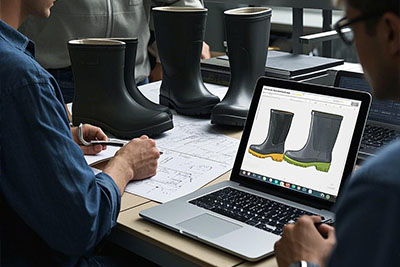
Разработка OEM/ODM-проектов обычно начинается с определения типа продукта, выбора материала, подошвы, требований безопасности, размерного ряда и подтверждения минимального объема заказа. Разработка образцов может включать прототип, образец для примерки, образец с логотипом, образец защитной конструкции и предсерийный образец.
Подтверждение образца должно включать внешний вид, соответствие размера, расположение мыска, качество соединения подошвы, комфорт подкладки, водонепроницаемость, соответствие цвета и упаковку. После утверждения образца серийное производство должно осуществляться в соответствии с утвержденной спецификацией материалов и стандартами контроля качества.
Сроки выполнения заказа, упаковка и контроль заказов.
Производственный цикл зависит от подготовки материалов, наличия пресс-форм, конструкции подошвы, процесса нанесения логотипа и объема заказа. Для стандартных резиновых сапог с индивидуальным дизайном график разработки образцов и серийного производства должен быть подтвержден до внесения предоплаты. Варианты упаковки могут включать полиэтиленовый пакет, бирку, цветную коробку, коробку для обуви, сертифицированную FSC, картонную коробку и картонную коробку с маркировкой под собственной торговой маркой.
При обработке крупных заказов следует уделять особое внимание соотношению размеров, весу коробки, правилам нанесения штрих-кодов, маркировке при отгрузке, срокам проверки и послепродажной поддержке для получения обратной связи по качеству, обсуждения замены или улучшения условий повторных заказов.
Возможности соответствующего завода
Масштаб производства и производственная мощь завода
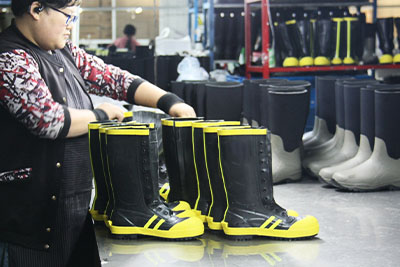
Производственные возможности завода являются важным фактором доверия при закупке резиновых сапог для бизнеса. На публичном сайте Trenboo описывается производственная площадь в 20 000 м², более 260 офисных и производственных сотрудников, ежемесячная производительность в 150 000 пар и экспорт в более чем 50 стран. На сайте также представлен опыт производства резиновых сапог с 1958 года, включающий 15 резиносмесителей, 6 производственных линий и вулканизационное оборудование.
Сертификация, контроль качества и сервисная поддержка.
Надежный производитель резиновых сапог должен поддерживать систему управления качеством, соблюдение социальных норм, контроль за химическим составом и тестирование продукции. В информации о заводе должны быть указаны сертификаты ISO9001, BSCI, соответствие требованиям REACH, а также варианты экологически чистых материалов, сертифицированных GRS и FSC. Контроль качества должен включать проверку водонепроницаемости, проверку адгезии подошвы, проверку на гибкость, проверку внешнего вида, контроль размеров, проверку упаковки и, при необходимости, проверку безопасности.
Послепродажная поддержка имеет важное значение для импортеров и дистрибьюторов, поскольку повторные заказы часто зависят от обработки претензий, анализа дефектов, улучшения качества материалов, информирования о сроках доставки и стабильного производства для повторных заказов.
Сопутствующие товары для программ B2B по продаже резиновых сапог
Защитные резиновые сапоги для промышленных работ
Защитные резиновые сапоги подходят для строительной, сельскохозяйственной, складской, рыболовной и промышленной отраслей, где требуется водонепроницаемая защита, усиленная подошва, стальной носок и устойчивость к проколам.
Резиновые сапоги для активного отдыха на природе, для работы в поле и на ферме.
Резиновые сапоги для активного отдыха для взрослых поддерживают сельскохозяйственный, садоводческий, розничный рынок товаров для активного отдыха и рынок рабочей одежды благодаря прочной водонепроницаемой резиновой конструкции и усиленной подошве.
Складные резиновые сапоги для легких сезонных заказов
Складные резиновые сапоги подходят для путешествий, активного отдыха на природе, компактного хранения и сезонного использования в качестве водонепроницаемой обуви.
Модные женские резиновые сапоги для розничной продажи
Модные женские резиновые сапоги сочетают в себе водонепроницаемую резиновую конструкцию, стильные силуэты, сезонные цвета, принты и упаковку под собственной торговой маркой.
Детские резиновые сапоги оптом для сезона дождей
Детские резиновые сапоги могут быть разработаны с ручками, нашивками с мультяшными персонажами, принтами на верхней части, сезонной подкладкой, индивидуальными цветами и розничной упаковкой для оптовых продаж.
Часто задаваемые вопросы: Производство и закупка резиновых защитных сапог
В чём основное различие между защитными резиновыми сапогами и обычными резиновыми сапогами?
Защитные резиновые сапоги включают в себя такие защитные элементы, как стальные носки, противопрокольные промежуточные подошвы, антистатические варианты подошвы и более прочные промышленные протекторы. Обычные резиновые сапоги в основном предназначены для водонепроницаемого повседневного или наружного использования.
Что необходимо уточнить перед размещением оптового заказа?
Ключевые моменты включают минимальный объем заказа, требования безопасности, материал подошвы, тип защитного носка, структуру промежуточной подошвы, подкладку, способ нанесения логотипа, процесс изготовления образцов, упаковку, сроки производства, стандарты контроля качества и послепродажную поддержку.
Почему некоторые резиновые защитные сапоги изготавливаются методом холодной сварки, а не вулканизации?
Технология холодного склеивания помогает защитить антистатические составы, материалы подошвы, подверженные воздействию напряжения, и комбинированные структуры подошвы, которые могут плохо работать при высокотемпературной вулканизации.
Какие процессы нанесения логотипа обычно используются для изготовления резиновых сапог на заказ?
К распространенным вариантам нанесения логотипа относятся: формованный логотип, печатный логотип, термотрансферная печать, тканая этикетка, логотип на подошве, бирка, изображение на коробке для обуви и маркировка на картонной упаковке под собственной торговой маркой.
От оценки продукции до запроса информации о заводе-изготовителе.
Поиск поставщиков защитной обуви для промышленности включает в себя выбор материалов, проектирование защитной конструкции, изготовление образцов для OEM/ODM-производства, анализ производственных возможностей завода, контроль массового производства и долгосрочную поддержку поставщиков. Покупатели, оценивающие водонепроницаемую обувь под собственной торговой маркой, могут перейти от просмотра продукции к разработке индивидуального заказа, изучив...Тренбукатегории продукции, процесс OEM/ODM и производственные возможности завода, затем связаться с командой Для получения информации о минимальном объеме заказа, образцах, сроках поставки и ценах обращайтесь в компанию Trenboo. Trenboo является производителем, поставщиком и фабрикой резиновых сапог, защитных резиновых сапог, резиновых сапог для взрослых и детей, а также занимается производством водонепроницаемой обуви под собственной торговой маркой.

 консультироваться
 ВАТСАПП
 оставить сообщение
 верхний